Pruning, weeding, & poetry manuscripts

Gardening has been a dismal endeavor this past summer; I just did not devote my usual energies to the landscape, the perennials, or even to the vegetable patch. For a number of reasons I will not enumerate here, I did not even get to the weeding. I wish I could say I spent my energy on writing, revising, and submitting my poems–alas, no.

Tangle of weeds & blossoms

Tangle of weeds & blossoms

After a weekend of trying to catch up (in two days) on two months of garden neglect, I caught up on my reading a bit and found this delightful and appropriate post on Lesley Wheeler’s blog: “Restlessly pruning the overstuffed closet of a poetry manuscript.” Her analogy is to a closet and wardrobe, but the underlying concept of assessing and culling works for perennial beds and poetry manuscripts (and attics, and basements, and garages, and…)

This post appeals to me because, in addition to rallying myself to the cause of deadheading and pruning and weeding in the great outdoors, I have also been working on cleaning up two manuscripts. Wheeler asks of her work:


  • Is the book telling the most involving, interesting story I can pull off right now? Is the narrative arc complex yet clear enough to satisfy an involved reader?
  • And yet this is a collection of wayward fragments, not a wholly coherent narrative. Do the poems have some spiky independence from each other? Are they various?
  • Am I making the same moves not too often, but just often enough to keep the poems working in relationship to each other? This means reading for repeated words, ideas, stanza shapes, and other devices.
  • Who will be my readers, and how do I hope they’ll feel and think about this project?

Wise questions to ask of a book of poems; also see Jeffrey Levine’s Tupelo Press blog for his exhaustive take on the process.

Clearly, reorganizing and evaluating my collections are not the kind of work I could accomplish in two days.

In that way, weeding and pruning the gardens offers more immediate satisfaction, though it left me with some scratches, rashes, and a sore back!
 

Spring fever

…I had one this year. By which I mean I had a fever caused by a viral infection that hit me at the peak of blossom time, and as a result, I spent a warm spring week mostly indoors.

I could have been out in the garden, weeding and prepping soil and planting beans, had I been hale and well. Instead–well, this year the vegetables will get a late start, and the perennial beds may not be particularly well-groomed, and the pears are unlikely to be pruned.

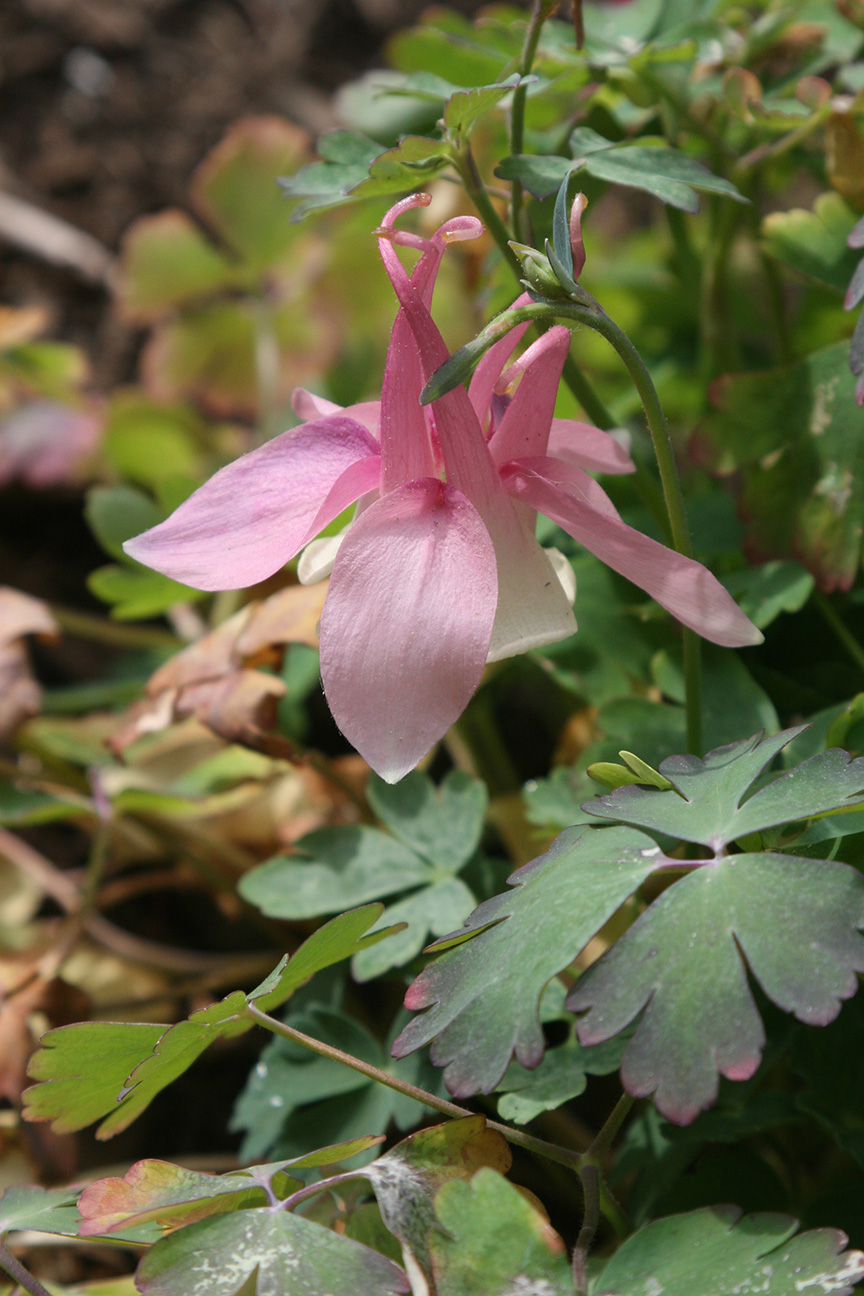
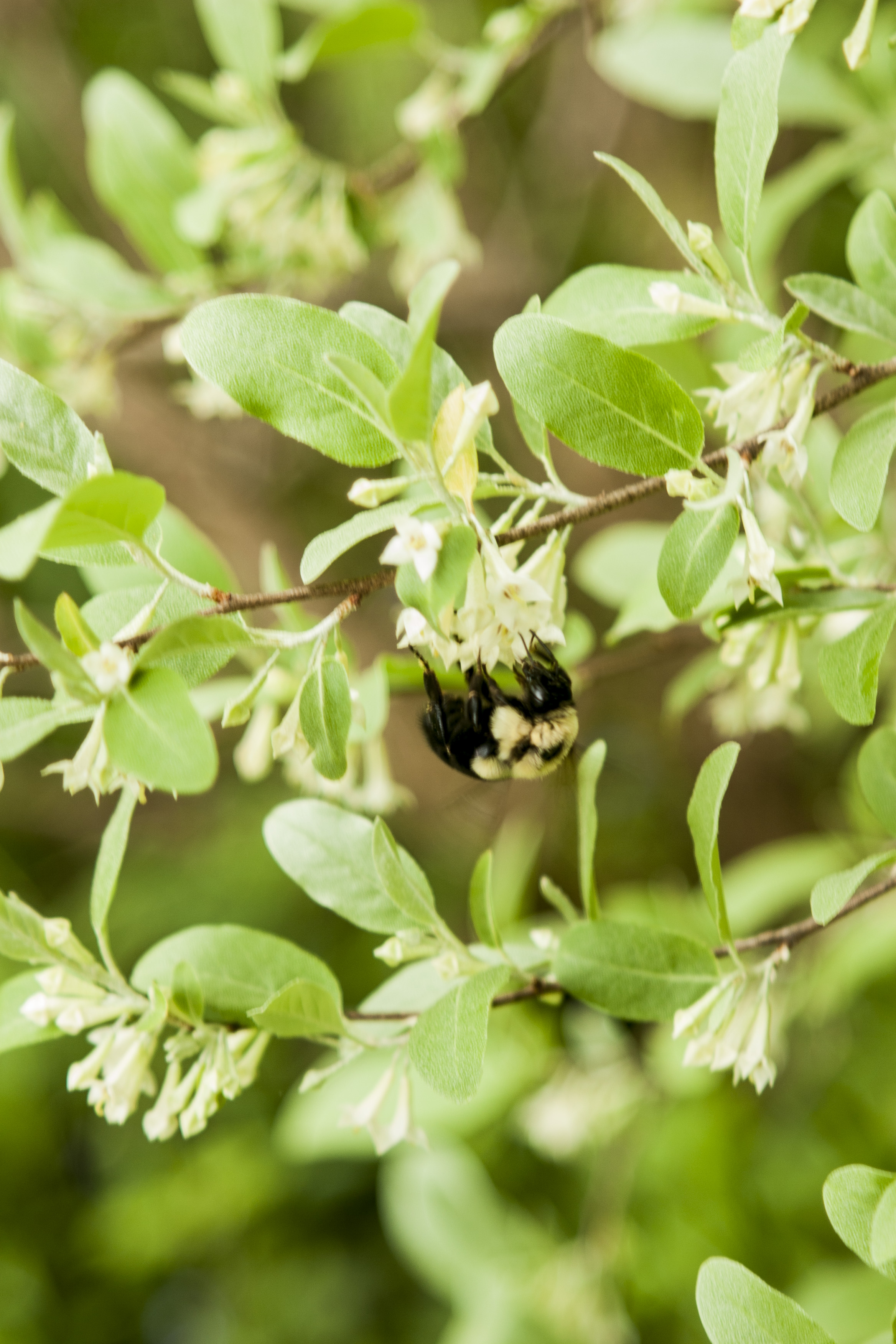
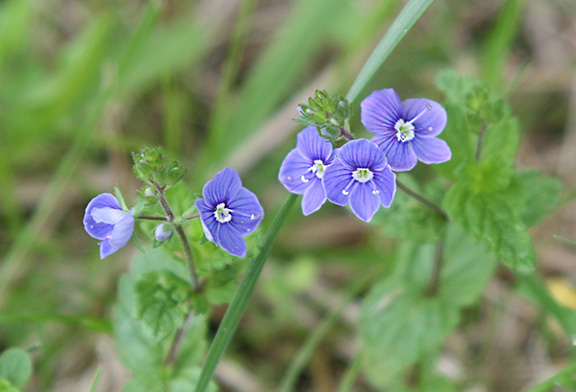
Laid low for over a week, I have regained enough wherewithal to return, gradually, to work and to managing short walks around the yard. Often, I take my camera. I wonder why I feel compelled to photograph the plants. I see them year after year. I enjoy looking at far better photographs by far better photographers than I, yet I prostrate myself before the gallium (mayflowers) and try to capture some feeling of their delicacy. I have pondered whether this desire stems from some Western-Romantic cultural hand-me-down, echoes of Wordsworth et al…but then I remember how Asian poetry revels in the blossom and the budding leaf and the moon’s reflection on water, and how ancient poems compare a man’s curly hair to hyacinths or a woman’s blush to the rose.

The aesthetic appeal of springtime–and all the seasons–of landscape, and of animal grace and strength–has been around for eons.

bee-1-~◊~

Because my brain has felt fried, I have not expended much effort on words lately.

IMG_0680~◊~

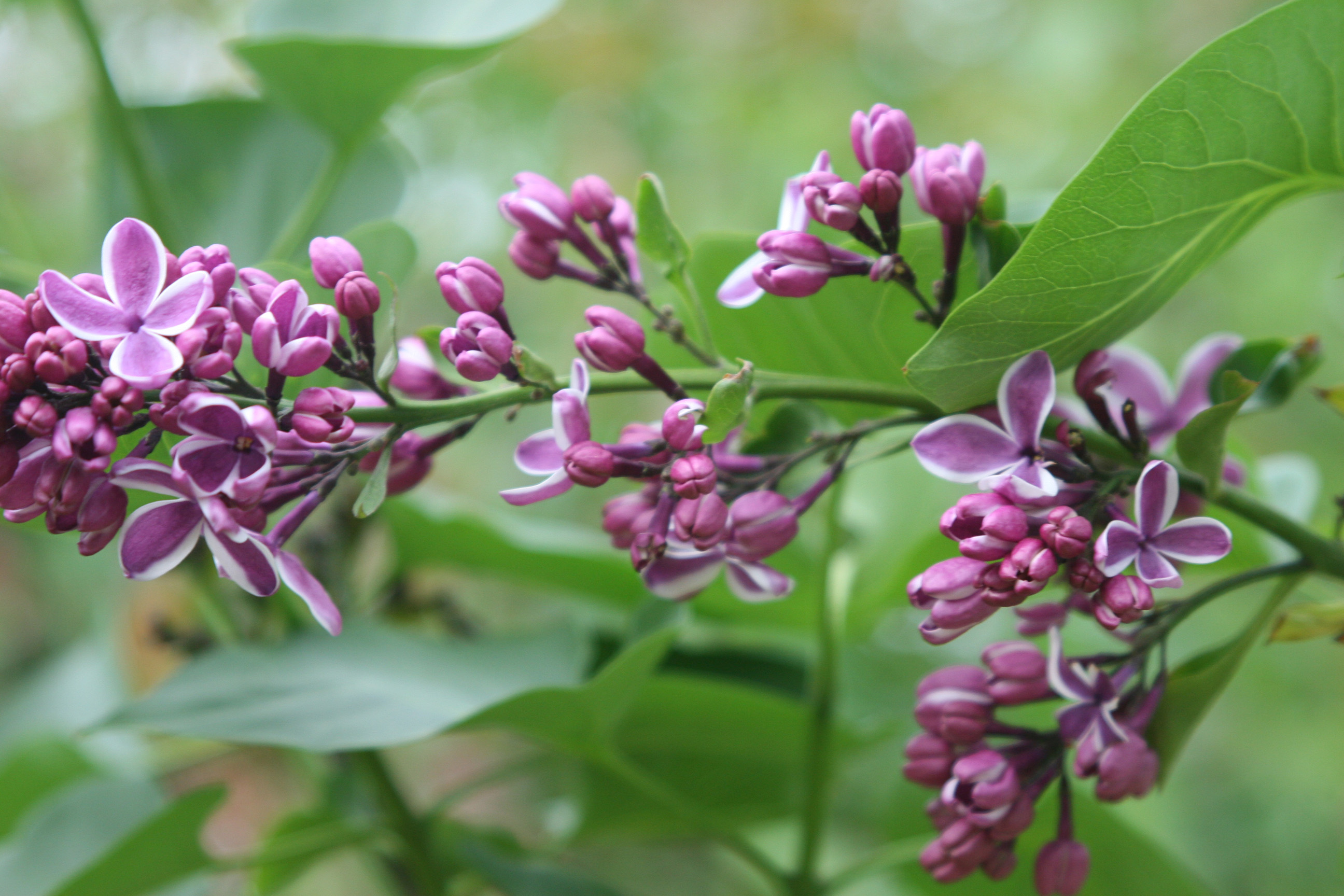
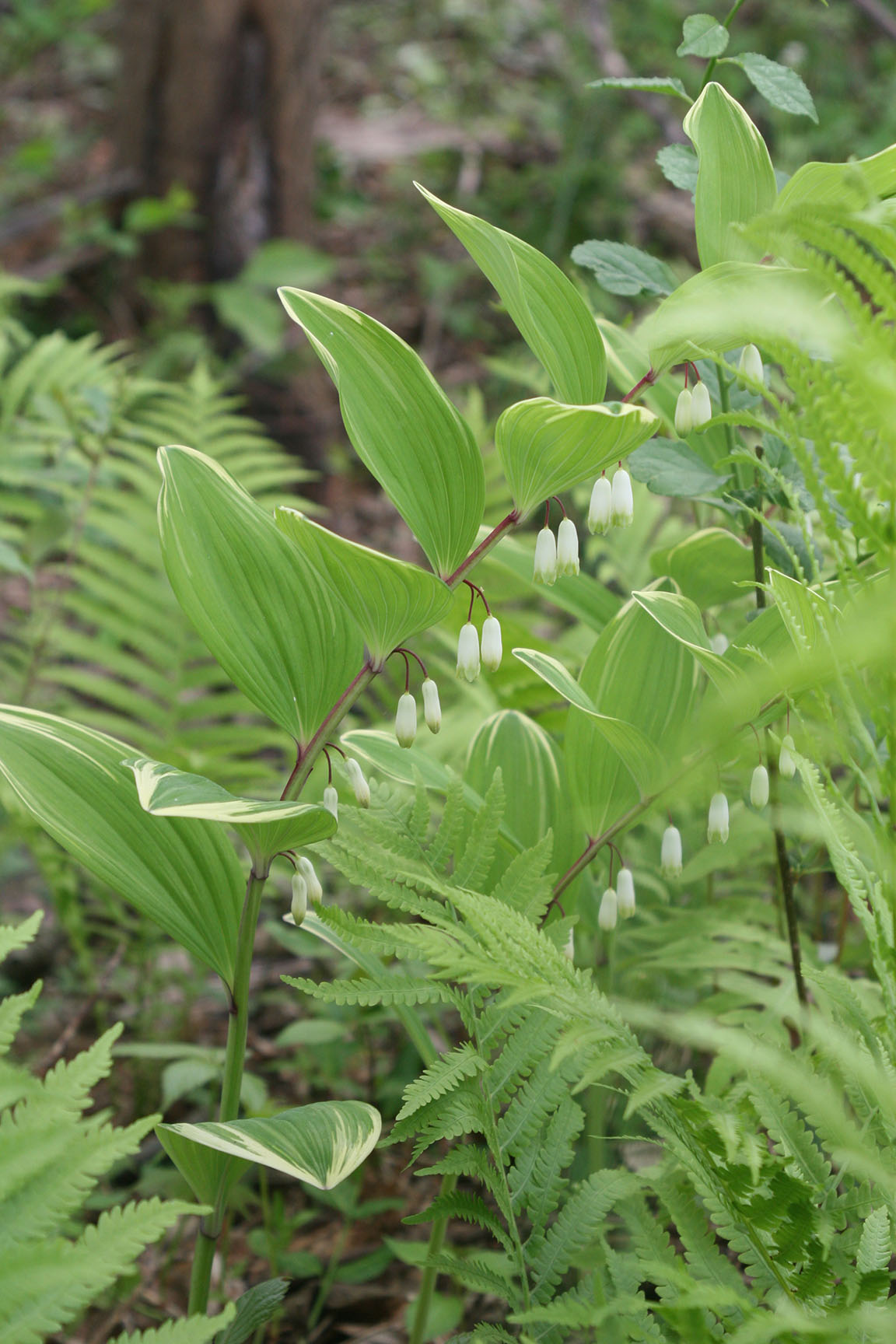
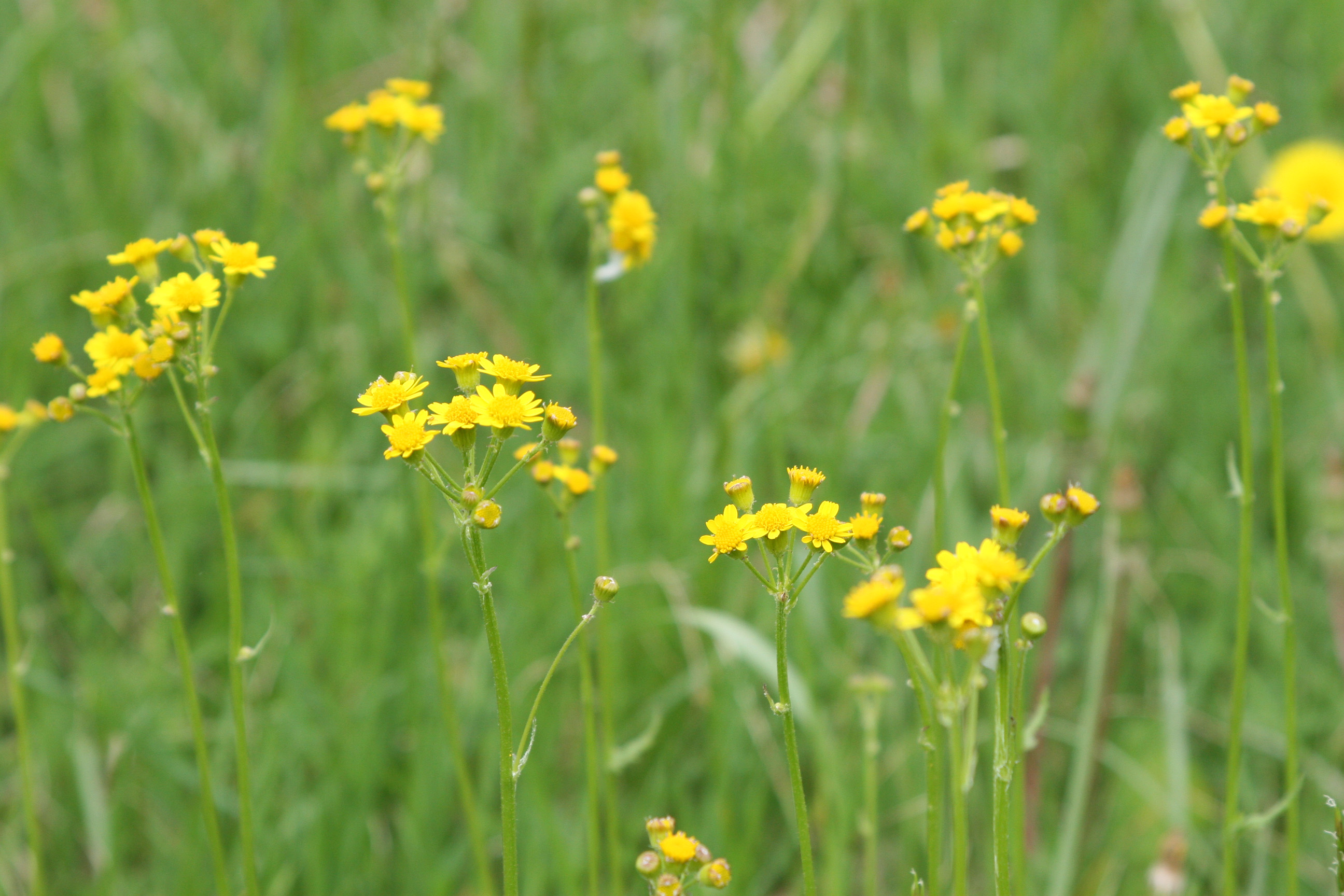
So I will let the images speak for me

lilac~◊~

…and for themselves.

solomonseal        trillium

~◊~

meadoweeds~◊~

IMG_0696

~~

Spring cycle

This morning, five deer grazed languidly at the farthest edge of the meadow near the treeline. Some minutes after the small herd moved away, a lone doe hopped into view.

She was familiar to me. I have posted about her before–the doe with the missing leg, whose home base is located in our area. The University of Michigan’s Museum of Zoology website says odocoileus virginianus (the white-tail) lives an average of two years in the wild, but our semi-suburban region lacks large predators (other than cars) and offers quite a bit of protection. Maximum lifespan in the wild is 10 years, and I know that this particular doe is at least eight years old by now. She seems as spry as ever; very likely she is gestating another fawn.

The deer are pests in many ways–gardeners despair of deer depredations of ornamentals and native plants alike, and we also worry about their role as hosts of Lyme disease. Nevertheless, the deer and I co-exist peacefully, and their appearance at the fringe of the grassy field has signaled spring this year as they emerge from having “yarded up” in their camouflaged territory during the deep, snowy winter. They reestablish their familiar trails through the vines, thorn bushes, and grasses.

And there is something soothing about the cyclicality of the roving deer, the reappearance of their well-worn paths…even about my annoyance at finding the crocus leaves cropped and the branches of the pear trees nibbled.

Also, do forgive the pun–but what could be more endearing than this sight from May of 2011?

ann e michael

When foraging, females leave their offspring in dense vegetation for about four hours at a time. While waiting for the female to return, fawns lay flat on the ground with their necks outstretched, well camouflaged against the forest floor. Fawns withhold their feces and urine until the mother arrives, at which point she ingests whatever the fawn voids to deny predators any sign of the fawn.