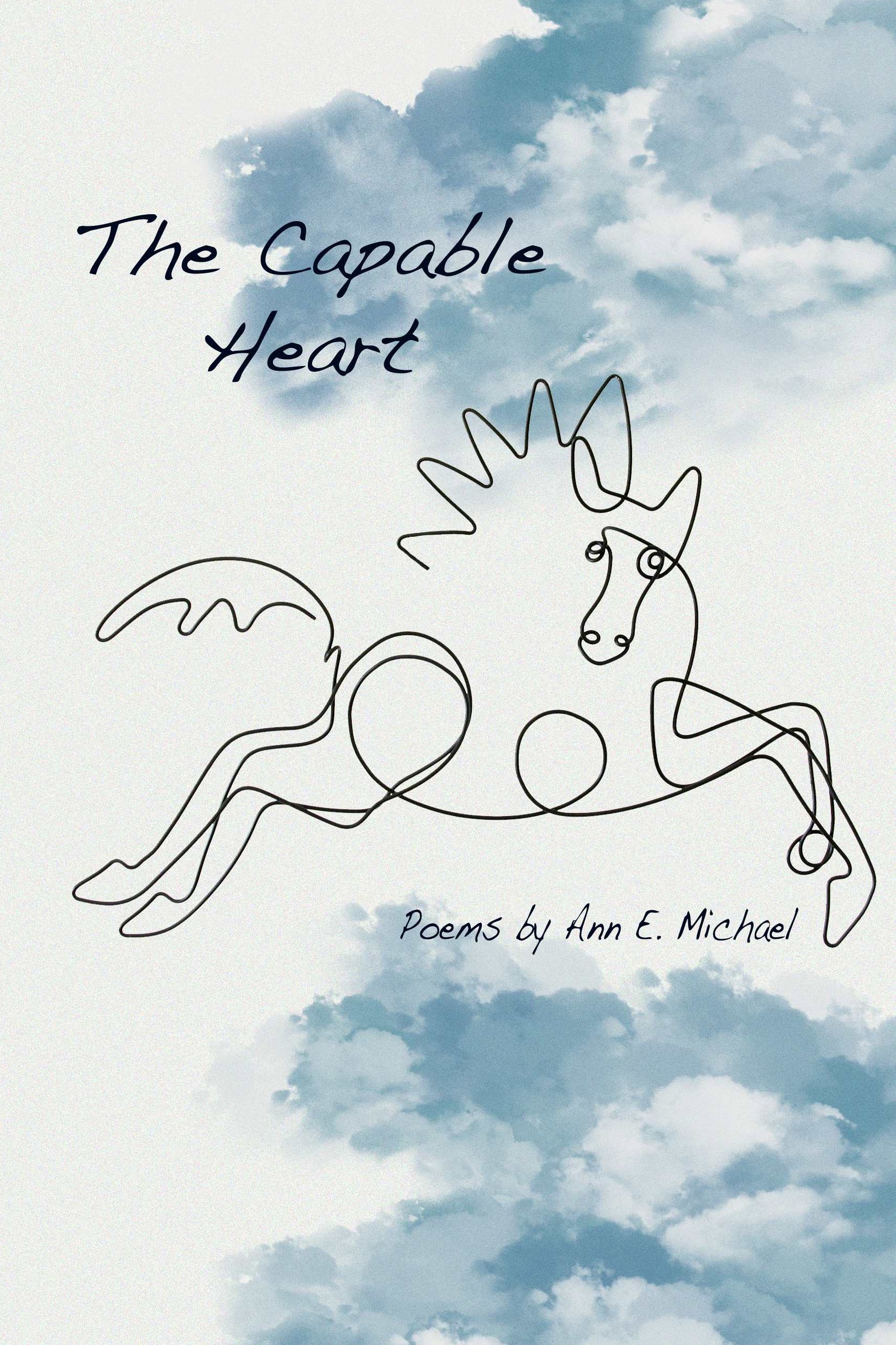
Ah, the manuscript process! It interests me even when I’m not in the midst of putting a collection together, because it seems there is no consistently efficient way to go about it–no matter what people claim. It’s fascinating to read, in interviews, articles, and blogs, how poets decide on the poems to gather into a book; I have put together three full-length collections, and yet I can’t say that I have developed a method I can rely on. Each volume seems to have had different inceptions and different means of getting to an end.
My first approach is to choose several dozen poems, about a third of which have been published in literary journals. After that, no system: I ponder possibilities. My last two books had titles early on, which helped a little, and my chapbooks have had themes that guided me about what to include or exclude. Not so this time. The process this time reminds me of how I put together Water-Rites, which evolved from my MFA thesis in 2003. In other words, I don’t really know what I’m doing! Which feels edgy and uncomfortable, and is probably therefore a good thing. I don’t want to get too confident or at ease with writing. Creativity sometimes thrives on obstacles, or on the prompting to do more, to try new things, to solve problems.
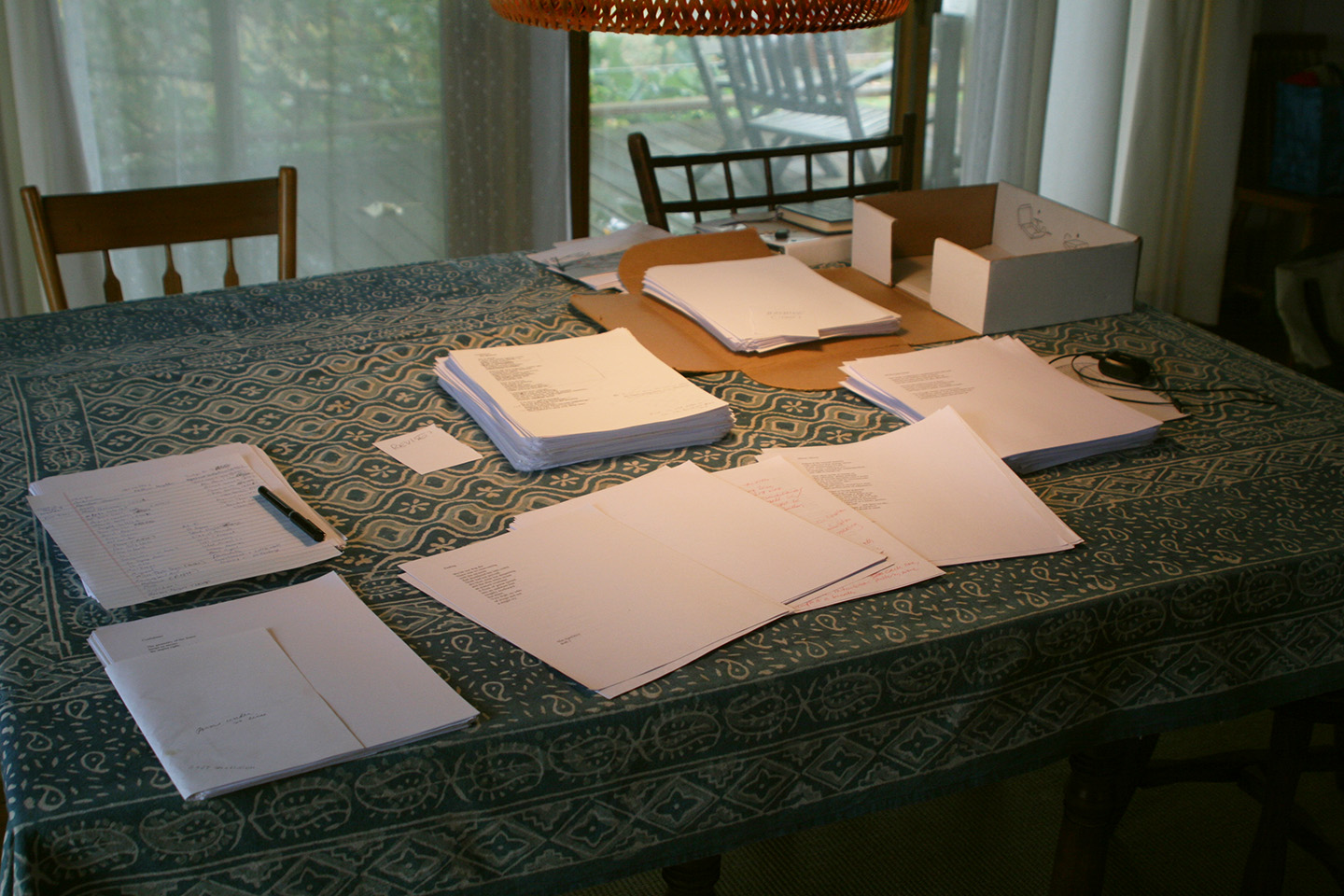
This past weekend, I started curating in earnest, laying out poems and reading them to find out whether there are resonances and “conversations” between them. One method is to try grouping the pieces by theme or style. The overall book may then be divided into sections, which is a not-common approach in contemporary poetry books. But my first attempt arrived at seven sections, which strikes me as maybe two or three too many divisions for a manuscript. Also, the sections were wildly divergent in tone and context. Some divergence keeps a book from being tonally monochrome, but I don’t want my text to throw my readers from port to starboard willy-nilly, either. As a reader, I like poetry collections that have chapters/sections. How necessary are they, though? Maybe I don’t need them.
I was thinking about Louise Glück’s book Wild Iris, which is not divided into sections and which even has many poems with the same title (seven called “Matins,” for example). But the poems appear naturally, with a sense of flow–and there are not a lot of twists from poem to poem, though there are twists within the poems.
Billy Collins’ books are not separated into sections, either. He has said he doesn’t work towards a theme or arc, just chooses poems that he thinks are good enough; and yet his latest collection, Musical Tables, is full of short poems (um, a style or theme? Possibly). I have been doing a bit of research on this through my bookshelves and online, seeking further direction. Clearly, there’s work ahead, and even though I’m in my 60s I’m still a novice when it comes to manuscript-making.
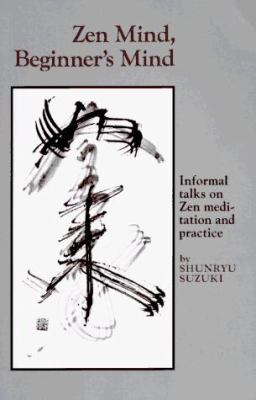
Shosin: 初心 , or “beginner’s mind,” may serve me well here. (See Suzuki’s classic book). Wish me luck? I think I’ll need it. And if you have some advice, let me know.
 ann e michael