Probably because I have been stalled on my manuscript (see previous post), I’ve been reading blogs and speaking with friends about the whole “project” of publishing poetry books. People sure have widely varying opinions. It had occurred to me there would likely be some controversy over this even in a world as small as poetry; but I am surprised at how heated poets, and publishers, can get concerning the whys, whens, and hows of poetry collections. Whether a poet’s work is ready, for example, or–as some folks might put it–worthy of a book or chapbook, and when in one’s “career” is the time to put a book out into the world…and whether the time it takes and the costs of submitting and contest fees are worth the effort or act as a barrier to the underfunded, the less-known, and the uninitiated (or to people who just are not very good poets).
Where a writer is in her poetry (career, journey, artistic path, life, whatever) surely makes a difference in whether or when she pursues manuscript-making. Some folks suggest getting a chapbook out as soon as one has enough good poems because a chapbook looks good on a poet’s CV. Others insist it is better to wait and get work published poem-by-poem in journals and literary sites.
Some poetry publishers are more selective than others, so writers new to the process are likely to feel discouraged when they keep getting rejections from these “top tier” places. There are publishers who are less selective, but sometimes writers get warned away from having their manuscripts produced by a so-called poetry mill. “Get your books accepted and published by the best-regarded publishers,” they’re advised; a chapbook-mill press will not look as good on the CV.
But getting that manuscript accepted by the best-regarded place can take a long, long time. (Speaking from experience!!) What to do?
I’d advise poets who want to compile a manuscript to think about what the purpose of doing so is. There are more reasons than you might realize. Are you trying to get a job in a creative writing program? Are you trying to stand out in the crowd? Do you want to publish mostly for your friends and relatives? Or for yourself? Do you need publication in order to stay on the tenure track? Does your manuscript represent the creative output of a difficult time that you want to make art from and share with others? Are your poems gathered together in order to inform, to argue/convince, to entertain, to be relevant in the moment? Is your manuscript a kind of personal document, a memoir in verse and, if so, do you view it as important for other people who may relate to your experiences? How crucial is is to have the book published soon? Do you think it is important to have the book be a prizewinner?
These are just a few things to consider. Other reasons abound. And at any rate, thinking about what you want your book to be or do or accomplish should help you to decide the where and how of getting it into print. Or if that is even necessary. These days, poets can garner quite a few readers by having poems that get posted online in literary blogs, journals, social media platforms, and other sites. Do you really need, or care about, having a book? What makes the process “worth it”?
Then there’s self-publishing–which, thanks to Lulu, Amazon, Blurb, BookBaby, and similar businesses is not that hard to do–and which no longer carries quite the stigma of “vanity presses” (though if you are trying to get tenure, I’d advise against this choice). Not all of us feel up to learning the ins and outs of templates and design limits that these businesses offer. Some presses began their lives as ways to self-publish or to publish the work of a poet whose work wasn’t getting much attention; Lamont Steptoe started Whirlwind Press (now defunct) to publish Dennis Brutus‘ poetry, then started publishing his own work, then morphed the press into Whirlwind Magazine for several years. Of course, there is no promotion at all; poets have to do their own PR even with some very good presses, and self-publishing requires even more.
Then there are the “mills” I mentioned earlier. These would be poetry publishers that, critics note, are less “discerning” than the hard-to-crack literary presses. The ones I know of are not as predatory as vanity presses and are easier to work with than the Amazon-style self-publishing route. Some of them offer promotional advice or social media activity, and some may invite their authors to participate in regional group readings. And in fact, I have had one book and a chapbook or two published by presses I’ve heard referred to as mills. I suppose the publishers might object to the characterization, but it doesn’t bother me.
My feelings on getting my books in print have evolved over the years, and I think that they should. I am no longer a young poet new to the challenge of getting my poems into magazines (they were all print when I was starting out) and thinking about whether I wanted to work in the creative writing field or not. As it turns out, while I did earn an MFA, I never really used it in the academic area where I ended up. But I attend writing conferences, engage in critique, send my work out for publication–singly and in manuscript form–which are all parts of the poet’s career (if you can call it a career).
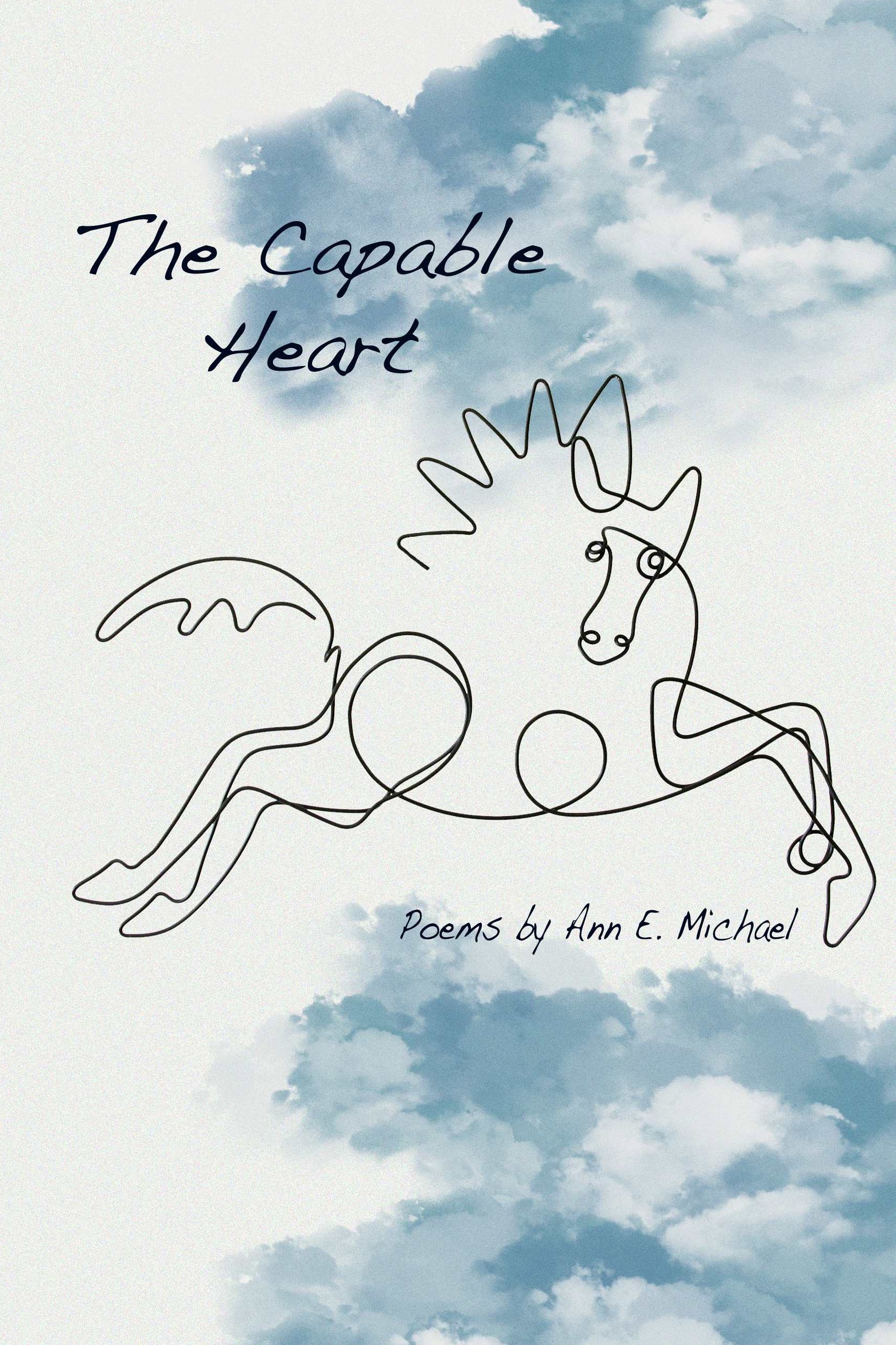
At this point in my life, I want to make books! I love books, and I love reading poems in books and not on a screen of any kind. It doesn’t matter to me if my books win prizes (though one did!) or are published by top-tier literary presses (er, no…), or if they ever result in my earning anything from my writing (not yet…). Yes, I want my manuscripts to be worthy–by which I mean that a few readers find something of value and enjoyment in them. On balance, that seems good enough for me.
~




 ann e michael