Gratitude

Fountains of gratitude are flowing in my heart today despite the gray, humid weather that seems to set off every imaginable ache my body could have. ❤

Wow, that was a sentence of hyperbole and cliché, for which I apologize; let me begin again. I’m grateful for a number of reasons that I want to mention so I can give appropriate and public thanks to the people who have added to today’s happiness. The list starts with Dave Fry of Godfrey Daniels Coffeehouse & Listening Room in Bethlehem PA, who hosted an evening of poetry–with musical interludes and conversation–this past Wednesday evening. Two members of my long-time writers group and I read our poems and talked about a few poetic forms (haiku, waka/tanka, tanka prose, and short forms generally). Dave supplied some comments to encourage audience reflection and performed interludes on guitar. One observation he made is that the classic blues song follows a structure that has similarities to a short poem form: Line, Repeated line, Commentary line (often like a poem’s “turn”).

It was a lovely event and great to share the writerly camaraderie of a long & successful critique group onstage: Marilyn Hazelton and Susan Weaver are often the first readers of my own poems. I’m grateful for their support and for the way Dave gave us the opportunity showcase poems and maybe teach a few audience members new things about poetry. Another plus was that I sold a few books! Grateful to those folks, too. That’s one way to support the arts.

Thank you as well to my Best Beloved, who attended despite feeling a little lousy from allergies, and to those of my local friends who came out to hear us. The venue charges a cover, and not everyone’s willing to shell out for poetry. Therefore, I bow deeply to you all who do.

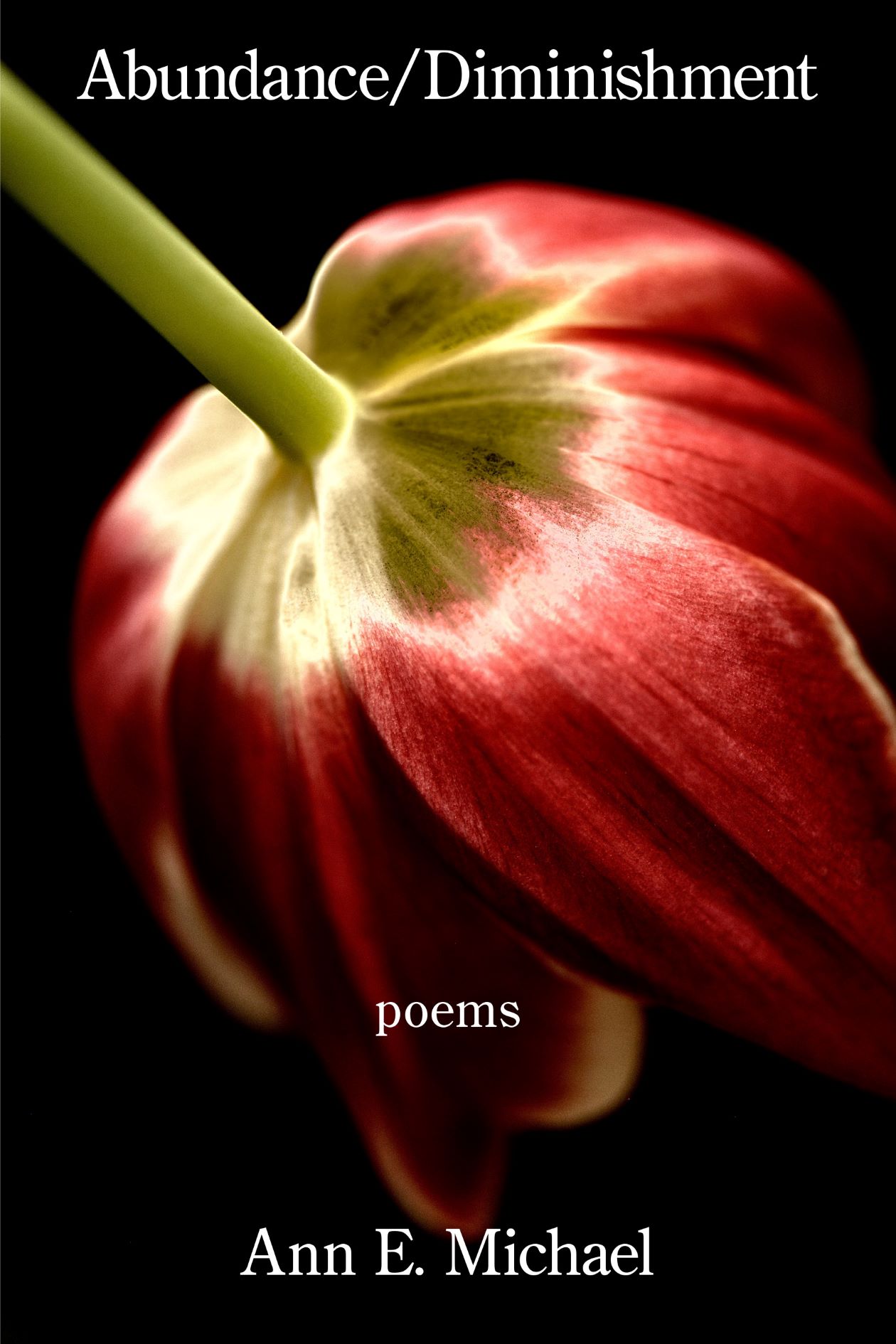
Today I also received a kind gesture from poet, scholar, educator, and blogger Lesley Wheeler. On her blog (which you really might want to follow), Lesley wrote a mini-review of my book The Red Queen Hypothesis and Other Poems, last summer. I’m thrilled that this week she included a mini-review of my brand-new book, Abundance/Diminishment (“ectoplasmic micro poetry reviews“). My book was in such good company! See the link above, between parentheses, for her comments on books by Diane Suess, January Gill O’Neill, Elizabeth Savage, and Jen Karetnick.

For promotional reasons, (ha!), I’ll close with what Lesley says about the collection:

“I have a similarly eerie sense of connection with a sympathetic mind reading Ann E. Michael’s Abundance/ Diminishment. This book tallies losses and bounties: it’s full of mathematical and scientific language, but what it counts and categorizes is deeply emotionally freighted. In ‘Filling Out Forms at the Gynecologist’s Office,’ she subtracts the number of her children from the number of times she’s been pregnant. In ‘Tongues,’ a child of six, mocked by classmates for the tongue sandwich in her lunchbox, prices out peanut butter–even as she loses her immigrant mother’s language. Also like Seuss’s book, this is poetry of maturity, from a time of life when a person has to begin giving it all away. I’m especially grateful, these days, for books from midlife and beyond. I learn what I need to know by reading them.”

I’m grateful, too, Lesley!
Throwing mud

This week, I got the potatoes in the ground; last week, it was spinach. In between, a lengthy late-March cold snap and yes, more rain. But also a visit from a Dear One and a trip to parts of Pennsylvania I seldom have had reason to explore. Although I have lived in PA’s Lehigh Valley for nearly 40 years–longer than I have lived anywhere else–I confess a lack of familiarity with many areas of the Keystone State. Philadelphia and its suburbs I know well, and Reading and Lancaster, to a lesser degree; and our family often visits Gettysburg. We travel west and north to go camping now and then. I’ve been to Pittsburgh a few times and seen Falling Water and the Cathedral Trees and both branches of the Susquehanna River. Penn State just twice, once when I was chaperoning high school sophomores to History Day competitions.

Pennsylvania is a big commonwealth: 46,055 sq miles. It’s a good place for poetry, though I leave it to poets such as Harry Humes and Jerry Wemple (among others–looking at you, Dave Bonta) to explore its varied climate, geography, history, and culture. Mostly I stay within the confines of my own back yard, which is large and varied enough to inform me for a lifetime.

But the Dear One had planned to give her dad a pottery workshop with a well-known potter, Simon Leach, as a 70th birthday gift. That birthday fell during covid, however; the long-delayed weekend in Millheim PA thus did not take place until this past week. I have never placed my hands on a potter’s wheel (though I ought to try it sometime) and just went along for family togetherness and to visit the arboretum at Penn State, slightly out of season but still a very pleasant place to walk, by myself, on a cold but sunny Sunday. It rained on Saturday, so I sat by the fireplace at our B&B and read novels. Could anything be more perfect?

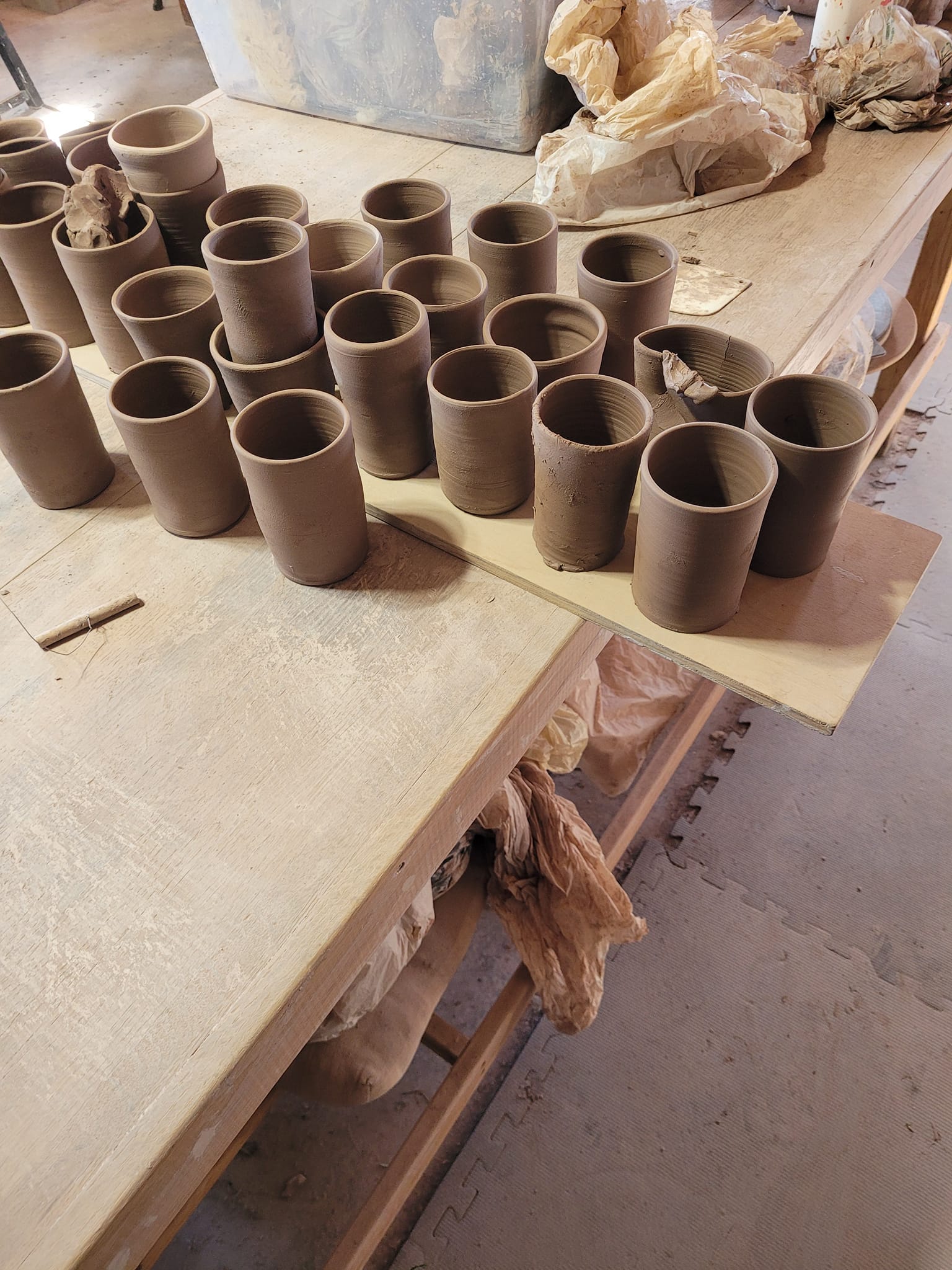
The task of Leach’s workshop was to practice making cylinders. It was a muddy job indeed. Here’s a photo of some of the student results. Dear One is quite adept at cylinders; indeed, she’s a good potter and sells much of her work, a skill she enjoys when she’s not providing emergency medical care to dogs and cats.

Leach uses the slogan “Keep practicing!” Yeah, that’s how you get to Carnegie Hall, right? But it is also how people get better at any skill, even those who are preternaturally talented in music, art, dance, etc. That includes writers. I have to remind myself that it is now time I got back to my routine of writing, revising, and the practice practice practice part of composing poems. The garden, the daughter, the travel, and the novel-reading have been splendid distractions, but as National Poetry Month approaches (April!), I ought to get myself back into routine.

A routine’s generally looked at as mundane–a tedious necessity. It needn’t be that way, I keep reminding myself. It can be as fun and messy and surprising (or frustrating) as throwing mud.

clay cylinder practice in Leach studio

Equinoctal

Torrents. We had rain in torrents, and it went on for days from February into March and then on…and on. Constant alerts on the cell phones: “Flash flooding.” Doldrums set in. In an effort to accomplish anything at all, I even started to sort through and organize my attic.

Talk about desperation!

The attic project isn’t finished–the weather turned mild and clear two days ago, so I ran to the garden to get to work out there–but it turned out to be a more rewarding task than I expected. I started by tackling the Christmas stuff, then the books (SO many books), children’s toys (the kids are in their 30s and there are no grandchildren), and moved on to paper correspondence. Letters! Postal mail. Epistles. Why I have saved so much of my correspondence from 1975 to the present, I cannot explain. Maybe that’s a thing that people who love words just naturally do, the same reason I have kept so many books. I certainly don’t need all of it; but that was part of the task, sorting what I want to keep and agreeing to recycle the rest. I also found odd ephemera, such as photocopied posters for long-ago poetry readings, broadsides of poems, xerox-zines from the early 1980s, and ancient mixtapes on cassette.

~

There’s some sorrow with this project. So many of my former correspondents have died. I find my grandmother’s looping script, my dad’s distinctive handwriting, my dear friend David Dunn’s nearly-illegible scrawl. Reminders of times past. Maybe that is why we keep ephemera: to remember what we thought, at the time, was important.

Maybe it is, maybe it isn’t, by the time we reach our later decades–if we’re fortunate enough to reach them.

I keep gardens for different reasons. Not to remember the past but to see what the present can bring.

~speaking of the present~

My new book can now be ordered from the publisher, if you find Amazon problematic (and there are good reasons for that). The link is here.

House concert

I can only recall ever attending one house concert. It was during my college days–1977 or ’78–and took place at a large Victorian house in Ann Arbor, MI. We sat about on chairs, sofas, stairs, and the floor to listen to blues/folk singer and guitarist extraordinaire, David Bromberg. It was a pleasant environment in which to hear the musician–an intimate and attentive audience, a sense of camaraderie and shared appreciation, and quite comfortable. But I never managed to attend another house concert…usually, such events are fairly private and by invitation (as I think that one was), so you don’t hear about them until after they’re over.

I was therefore delighted when friends suggested that they hold a “house concert” or, in this case, a house reading, so that they could share my poems with some acquaintances. A new audience! A comfortable, non-intimidating space, terrific food, and the kindness of people willing to listen to a bit of poetry…what’s not to like about that? There were over a dozen folks in our friends’ pleasant home, and at the close of an evening of wine and food and conversation, I was asked to read and talk about my poems. And promote my new book (which is now available to order on Amazon).

My gratitude overflows, Don and Jeannie. You’re the best!

An unexpected aspect of the house concert event was that it was delightful to meet the “audience” first, before the reading–a reversal of the usual order, and very helpful in getting me to feel more comfortable not just in presenting my work but in deciding which poems to read. In addition, the cozy atmosphere meant listeners felt free to ask questions and continue the conversation to include thoughts on song lyrics, “private” poetry (that people write for themselves alone), favorite poets, and the context of the work of poetry in the world.

That was such a marvelous evening. And up ahead, somewhat similar in nature: on March 27, at 7 pm, I will be joining poets Marilyn Hazelton and Susan Weaver–two members of the writing group that I’ve been part of for decades–and folk singer, radio host, teaching artist, and community arts leader Dave Fry for one of Dave’s monthly “Dave’s Night Out” events at Godfrey Daniels, a listening room in Bethlehem PA. Dave has been generous enough to have hosted me with other poets on stage at the coffeehouse before, and the experience was terrific. His guitar accompaniment enhances the sonic delights of poetry. I’m looking forward to this one. Tickets are $15, I think, and they keep Godfrey’s running as a non-profit arts venue in our region.

I’m happy to see this book in the world. Copies can also be ordered from Kelsay Books.

~

Wet lion weather

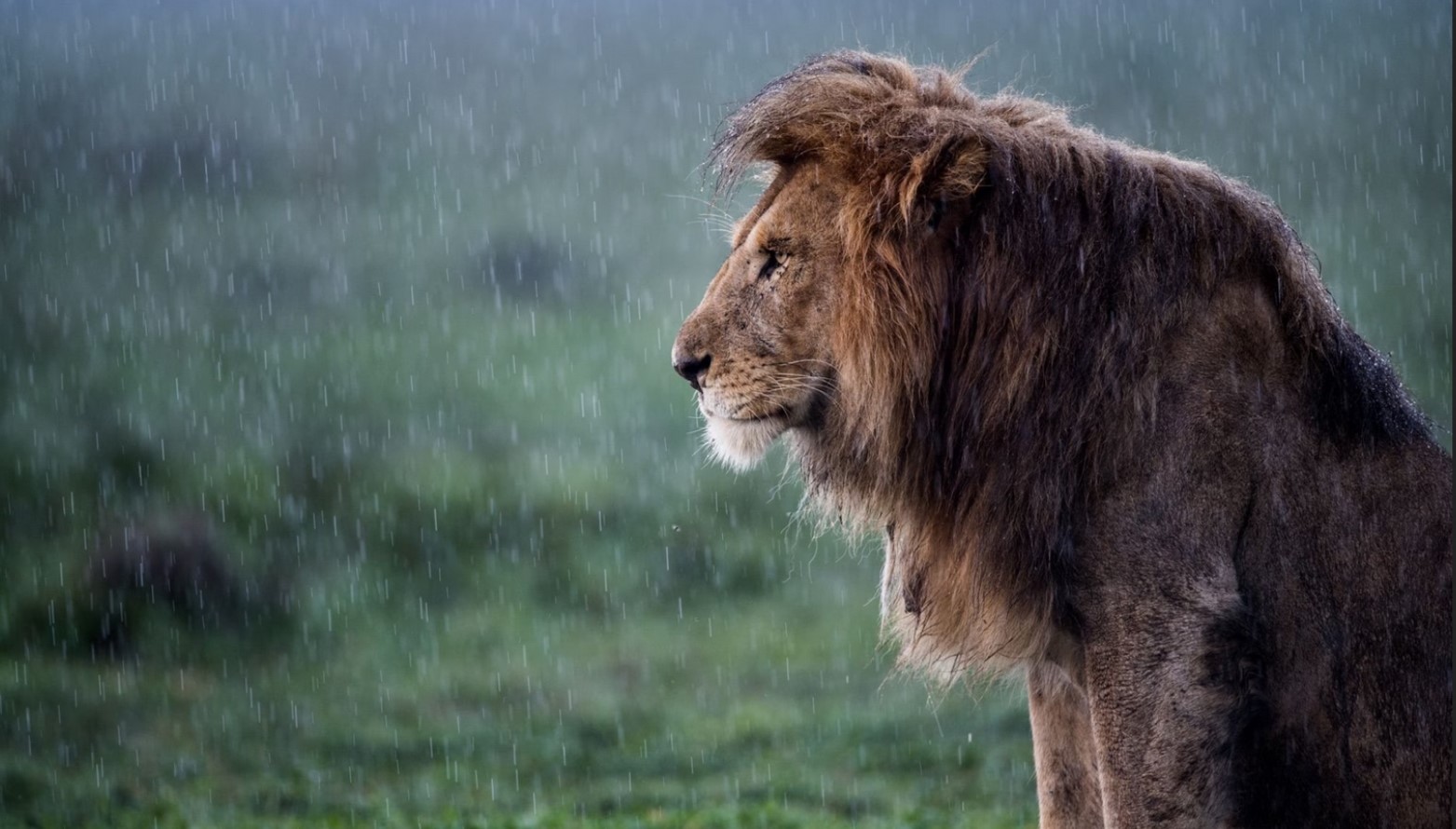
Early March, but February’s doldrums appear to be hanging on with clouds and heavy rain in our weather (though it has been fairly mild) and my mood as well. If March comes in like a lion, it is this year a very damp panthera leo. Crocuses, yes; iris reticulata, yes; winter jasmine, yes; hellbore, yes. And the robins are chirping like mad every evening as dusk arrives–and it does arrive later each day.

I should feel merrier. There are some poetry-related things coming up this month, an informal reading at our friends’ house, a bit of recognition perhaps, a visit from a beloved before the month closes, and maybe even the new book. In addition, I have managed to collect and organize the first draft of yet another collection. (Don’t hold your breath–this one will be a long time coming.) My physiology has been annoyed by the rain and humidity, however, which keeps me out of the perennial beds where the winter weeds are having a party in the chilly mud. There’ll be hell to pay for this later if I can’t get out there pretty soon. But it would not be the first time–which is why I know there will be hell to pay!

I did take advantage of the many rainy, achy days by reading an amazing novel by (Nobel Prize winner) Olga Tokarczuk, The Books of Jacob. Dare I call something a masterwork? This marvelous historical novel is over 900 pages long, beautifully rendered in English by Jennifer Croft, and based upon 18th-c Polish history and the idiosyncratic Frankist religious movement. I’ve been thinking about it for days–reflecting on words, names, letters, philosophy, and even metaphysics. Several times I found myself setting the book down in admiration, wondering how on earth Tokarczuk manages to keep the thread of her numerous narratives together so beautifully.

When a book gives me that kind of joy and evokes so much wonder, I feel that being a writer might actually be a worthwhile occupation. And if the rain keeps up, I’ll be at the library looking for her other books soon.