Late spring weather, mild and pleasant; lettuce and spinach ready and quite tasty, strawberries, asparagus–all the early harvest, with mulberries ripening on the trees and tomatoes starting to blossom. I have weeding to do, and it’s a task I don’t mind when the weather cooperates. Later on in summer, when the days get humid, hot, and blazing–then I am no fan of weeding. But on perfect days in early June, weeding is one of those mindless puttering tasks I can attend to while half-daydreaming.
I’m thinking about task-oriented work and creative work as opposed to wage-based work thanks to Jenny Odell’s second book, Saving Time: Discovering a Life beyond the Clock. Weeding’s one of those forms of work one does when it is necessary–the time it takes, and the best time to do it, don’t conform to clock schedules but to environmental ‘schedules,’ which vary. Too rainy? I don’t weed. After the soil has dried a bit and the weeds are sprouting like crazy? Time to weed. Too dry and hot? Not time to weed. Yet if I were a wage-paid groundskeeper and my boss said, “Get weeding today, $14 an hour, don’t waste your time,” I would have to weed, to look busy, to keep busy. Even though it might be a poor time to accomplish that particular task.
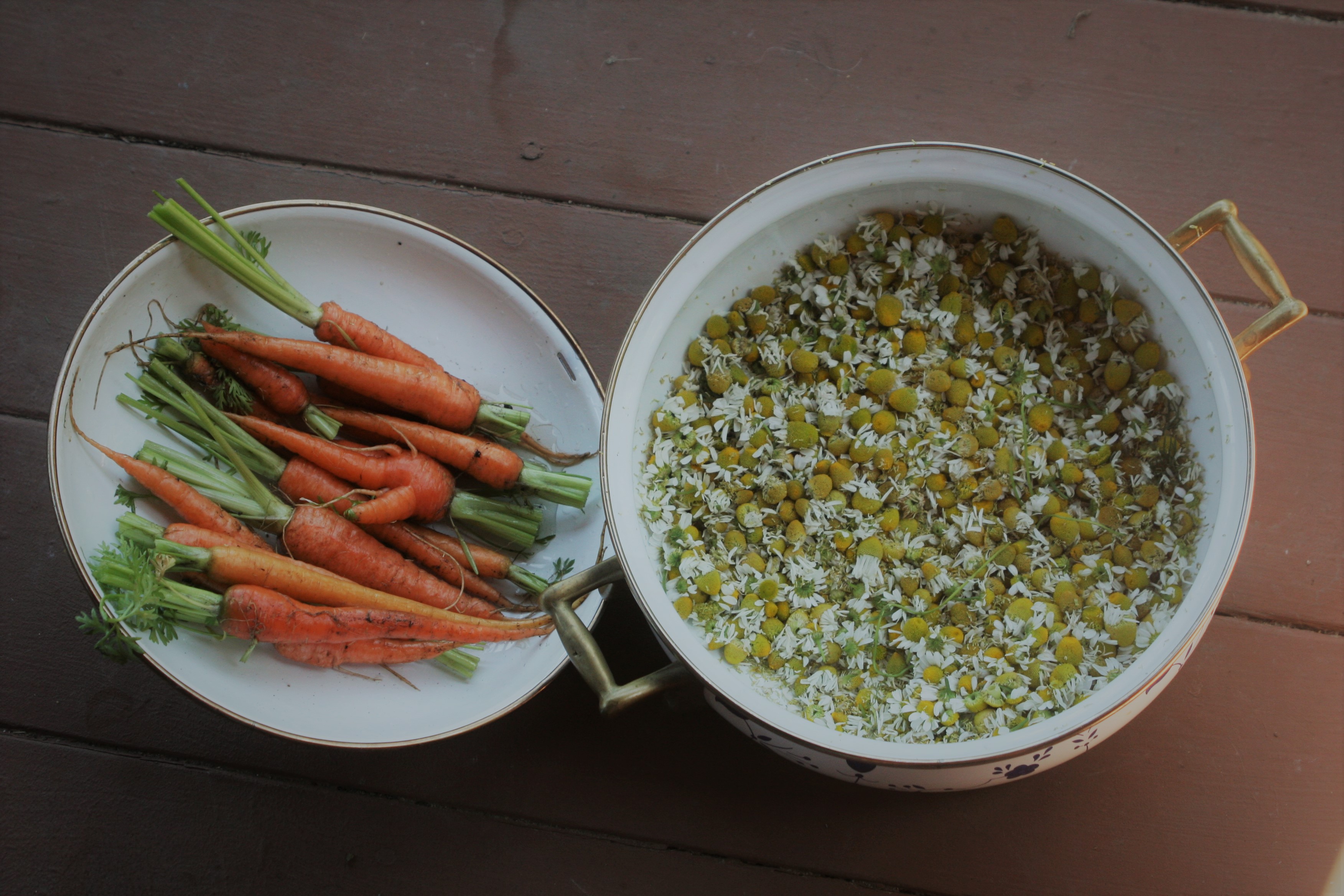
I’m no longer on the clock, at least in terms of wage-earning, but that socially-ingrained urge to keep busy and accomplish things and meet deadlines? That’s hard to move away from. Ill with covid, I kept complaining to myself that I wasn’t accomplishing anything. By which I guess I meant housekeeping, gardening, laundry, cooking, submitting work to journals, making plans for summer events, visiting my mother, taking walks, going to the gym…but really, it’s rather strange to think of such things as accomplishments. They’re not even work, per se, just tasks. They don’t have time constraints; doing them only becomes necessary when I run out of clean clothes, or need to eat or harvest spinach before it bolts.
Odell later addresses the sort of care-giving work that can’t really be broken into wage-based tasks, though industries do try that. Nurturing children, caring for livestock, being a teacher, social worker, farmer, artist: sure, some people do wage-work for these jobs, but hourly accountability doesn’t suit such work well, tends to distort the varying needs of the moment and the fallow or less-busy times that are just as crucial to accomplishing “good work” as the more rushed times are.
An artist needs down time. So does a Certified Nursing Assistant. So do farmers and teachers. And parents!
…and gardeners. We have all winter to do less and plan more, and then we have to respond to the weather and the circumstances around us as the circumstances require. Warming trends from climate change, floods or droughts, invasive beetles, viruses, weeds. What cannot be changed must be adapted to; didn’t we learn that from Darwin? If I have a job, as far as the garden goes, it is learning to balance things so that my effects on the earth are sustainable, harming the earth’s balance as little as possible–providing for pollinators and birds and amphibians, and also for my family.
It’s a difficult task and not clock-measurable, but more rewarding than most jobs are.
~
Because I like this song, and Mitchell’s lines about being billion-year-old carbon and getting ourselves back to the garden, here she is:
~
 ann e michael
[…] Ann E. Michael, Back to the garden […]
LikeLiked by 1 person