Prose/poetry

In the first weeks of this year, I participated in a virtual poetry workshop with Anita Skeen. It was so useful to me that I signed up for another workshop, this one on writing the prose poem, with mixed-media artist and poet Lorette Luzajic. She is the editor of an online prose-poetry lit journal, The Mackinaw.

In this workshop, I’m returning to a form I learned early in my writing practice. My friend and mentor David Dunn may have introduced me to prose poems, I cannot recall anymore; but I do know he was writing them in 1980 and that some of the poems in our collaborative chapbook The Swan King are either prose poems or on the verge of being prose poems. Prose poetry was then considered a “new” form and was (& in some quarters, remains) controversial among poets and critics. It sounds self-conflicting: if it is prose, how can it be poetry?

In the decades since I was very new to poetry, reading everything I could find of contemporary work and experimenting all over the place, the prose poem has been much written-about in literary forums and academia and is–mostly–on pretty sturdy footing as a “form” of poetry. I never completely stopped writing prose poems, and a few appear in most of my books. I’ve been writing so many sad lyrical-narrative poems since 2018, however, that I haven’t spent much time really playing with poetry, and play is a huge part of creative thinking. So Lorette Luzajic’s workshop, which gives us a chance to experiment and play, appealed to me.

The workshop has got me thinking about versions and expansions of the form, turned up some exciting new poets to read, and offered amusing prompts that have moved me into ekphrastic, surrealistic, dream-based, and pop-culture themed poems. I have found some surprises in my own work, which is always a reviving feeling.

Also, we are almost at the vernal equinox. My environment is brightening in small ways, which tends to help with enduring the tough stuff.
Weather weirding

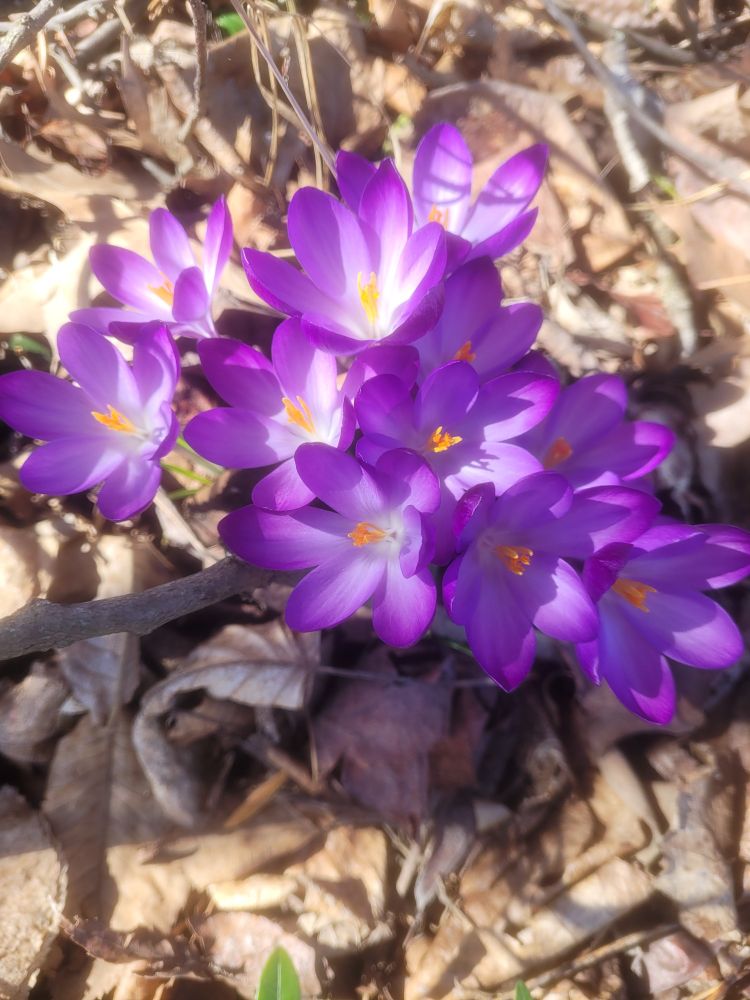
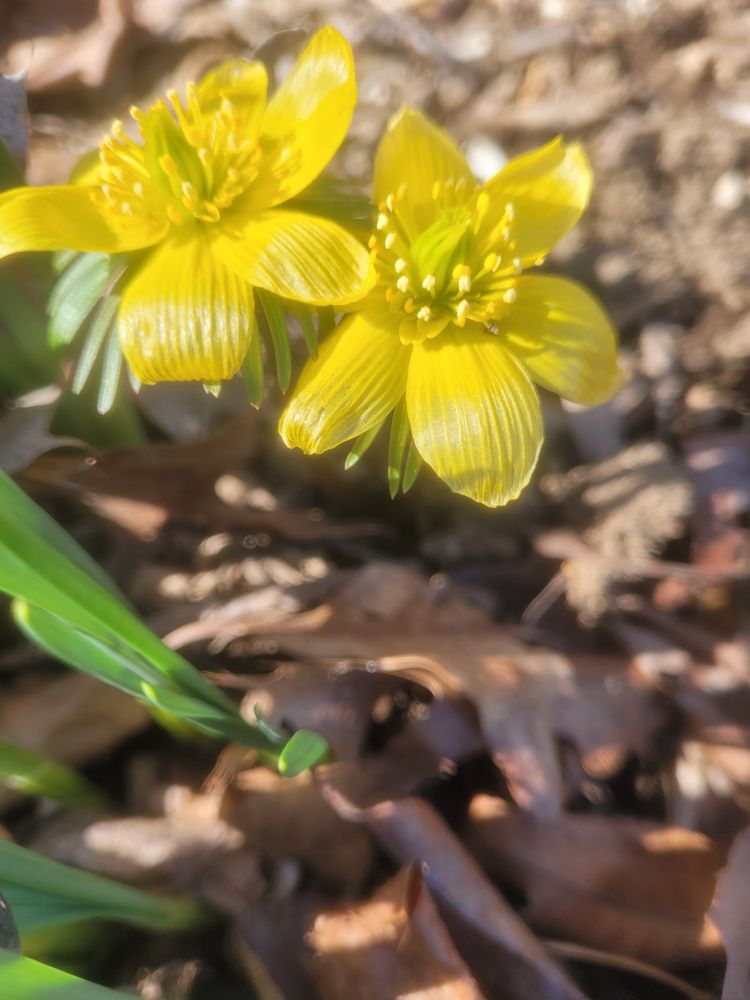
We just passed the vernal equinox, and here in the Lehigh Valley (the Lehigh is our resident river, though the Delaware is awfully close) the early jonquils are blooming. As are crocuses, forsythia, ornamental plums; the magnolias are starting to burst their fuzzy, cocoon-like bud scales. These vernal events seem somewhat ahead of schedule–not by much, but enough for a nature-nerd like me to notice.

I also notice the redwing blackbirds arrive earlier than they used to. Twenty-five years of keeping a garden journal provide evidence of that.

We live 340 feet above sea level in zone 6A, or what used to be zone 6A–we’re definitely trending warmer, despite occasional fierce storms that drop deep snow unexpectedly, despite weeklong stretches of winter temperatures below 15 degrees F. Summers linger longer and are either much wetter or much drier than “average,” and overall degree days for the past 15 years are above historical averages. Indeed, 2020 was the warmest summer on record here; I checked. Told you I was a nerd.

When my daughter lived in Asheville NC about 12 years ago, I noticed the rain, as well as flourishing vines, and lichen, on so many of the trees. She said that the Blue Mountains in that area are a temperate rain forest, but the humidity bothered her less than here in eastern PA because of the higher altitude: Asheville’s at about 3000 feet elevation. In the last 8 years or so, I’ve noticed the same tree-clinging lichen in my region–a new development. I have lived here over 30 years and had never seen it before. Another thing I notice is how much more vigorous the vining plants, many of them non-native, have become and how rapidly they shoot up into the overstory, choking off the tops of tulip poplars and oaks and pulling down the trunks of dead ash trees. The growing season has lengthened a bit, which is worrying from an environmental perspective even if it means I may eventually be able to grow camellias and figs.

And I can’t deny finding some of the milder weather pleasant, especially the sounds of tree frogs filling the nights earlier in the year. They soothe me at the end of day. Yet these crucial amphibians are very much at risk as the world warms. I may have little choice about whether we can return to cooler, damper summers, but I can make choices about how I live in the world and about what matters. It bears keeping in mind as I work the soil for another season in my garden.

~

witch-hazel’s yellow threads // flung by warming gusts // where crocuses emerge

~

oh! they cheer me : jonquils emerging : green leaves spearing brown leaves