Interviews

This past weekend I was most fortunate to have been interviewed, via Zoom, by four Chilean university students of English and creative writing. They are taking Hernán Pereira’s course at Arturo Prat University, Iquique, Chile. In 2014, Hernán collaborated with Dr. Karen Jogan of Albright College in Reading, Pennsylvania on a poetry and place project that resulted in the book So Far..So Close/Portada y Contraportada: Contemporary Writers of Tarapacá & Pennsylvania. Pamela Daza took the photos for the book; I posted a bit about it here. Thanks to social media, which I don’t often thank, I’ve kept in touch with Hernán, who is full of interesting ideas for teaching young people to enjoy poetry and to learn English.

Now, I’m retired, and I was pleased to hear from Hernán that he’s assigned his students books by English-speaking poets to read and research, and then interview, said writers (with whom he is acquainted). Would I be willing to be interviewed? Why, of course!

The result of most interviews is that I learn a great deal about my work by having other people ask me questions about it. I usually learn a bit about the interviewer(s) in the process. In this case, I was happy that the students had come up with some good and unexpected questions that really made me pause and ponder. I was also impressed with what excellent English skills they have, and how polite and earnest they are. One of the questions was what makes me motivated to write a poem. Not inspired (the usual question), but motivated–a slightly different verb and a telling one.

I answered along the lines of how seeing an image, experiencing an event, learning new information (ie observation), or reading a text with which I might disagree or wonder about leads me to a line of questioning/reflection, and that whole process motivates me to write. I have to say my answer was, in real time, rather vague, and that I was speaking with people for whom English is a second language. But a student named Maximillio said, “So, would you say then your motivation is responsive?” Wow, yes! Which clarifies a lot for me. I’m not a forward-momentum sort of writer who bulls into powerful expression, much as I admire such writers and sometimes wish I were more like them. I’m the ponderer, the one who imagines being an other and tries to figure out that perspective, the somewhat distant observer who nevertheless wants to bring the feelings and experiences home to whoever my reader may be.

That was a splendid experience for me. So nice to speak with people under 25 years old again. I miss that. Meanwhile, reading a 1998 edition of Lorca’s Poet in New York (in translation of course, though I am getting slightly better at reading the Spanish). And drafting new work in my head while watering the garden.

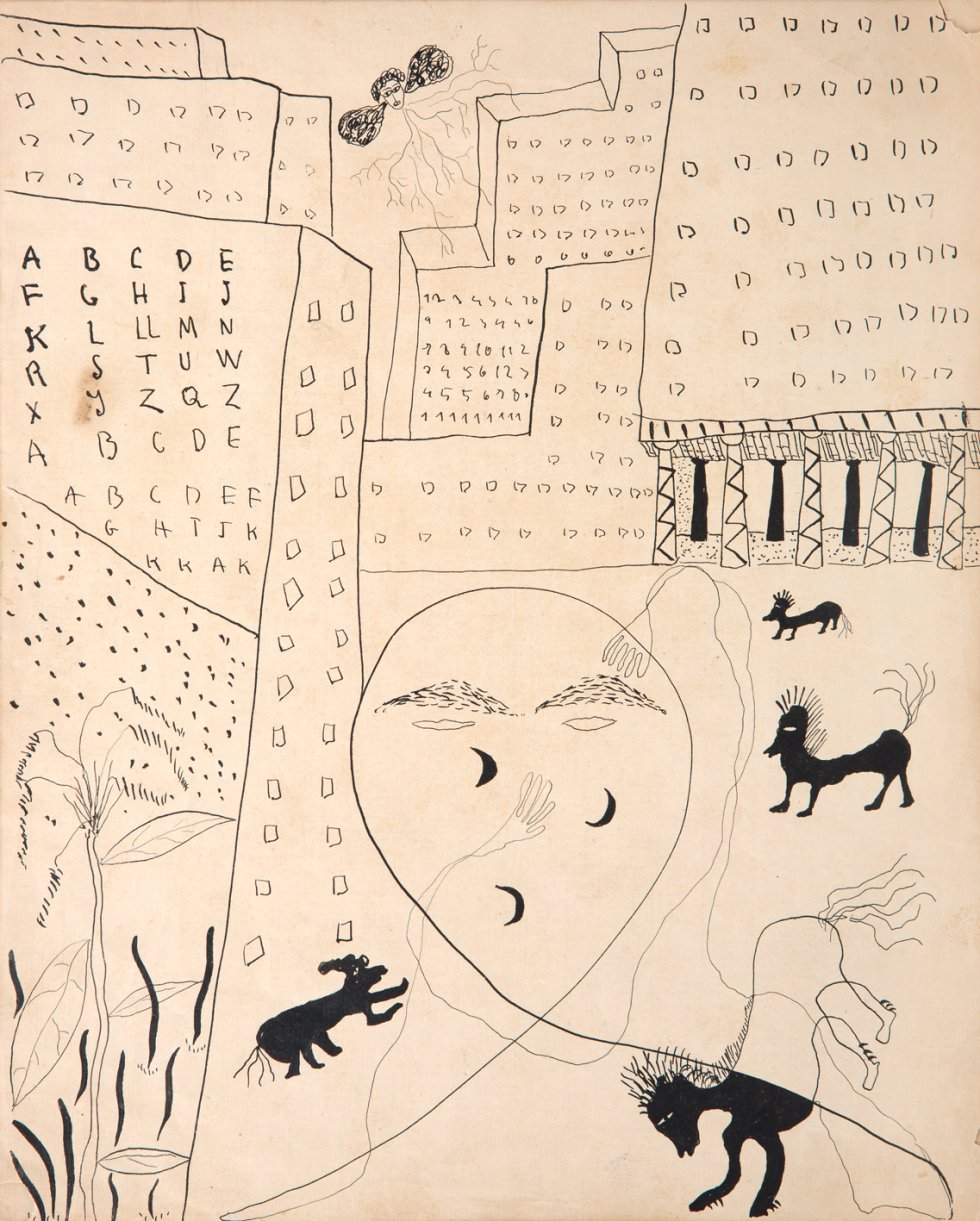
art by Federico Garcia Lorca.

Prose/poetry

In the first weeks of this year, I participated in a virtual poetry workshop with Anita Skeen. It was so useful to me that I signed up for another workshop, this one on writing the prose poem, with mixed-media artist and poet Lorette Luzajic. She is the editor of an online prose-poetry lit journal, The Mackinaw.

In this workshop, I’m returning to a form I learned early in my writing practice. My friend and mentor David Dunn may have introduced me to prose poems, I cannot recall anymore; but I do know he was writing them in 1980 and that some of the poems in our collaborative chapbook The Swan King are either prose poems or on the verge of being prose poems. Prose poetry was then considered a “new” form and was (& in some quarters, remains) controversial among poets and critics. It sounds self-conflicting: if it is prose, how can it be poetry?

In the decades since I was very new to poetry, reading everything I could find of contemporary work and experimenting all over the place, the prose poem has been much written-about in literary forums and academia and is–mostly–on pretty sturdy footing as a “form” of poetry. I never completely stopped writing prose poems, and a few appear in most of my books. I’ve been writing so many sad lyrical-narrative poems since 2018, however, that I haven’t spent much time really playing with poetry, and play is a huge part of creative thinking. So Lorette Luzajic’s workshop, which gives us a chance to experiment and play, appealed to me.

The workshop has got me thinking about versions and expansions of the form, turned up some exciting new poets to read, and offered amusing prompts that have moved me into ekphrastic, surrealistic, dream-based, and pop-culture themed poems. I have found some surprises in my own work, which is always a reviving feeling.

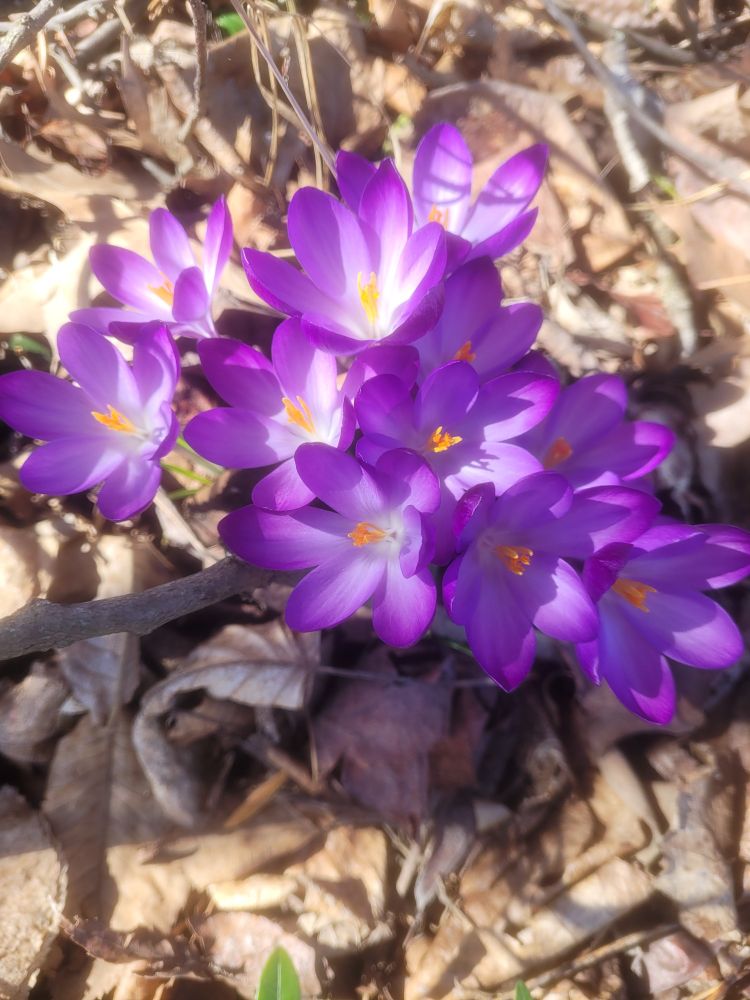
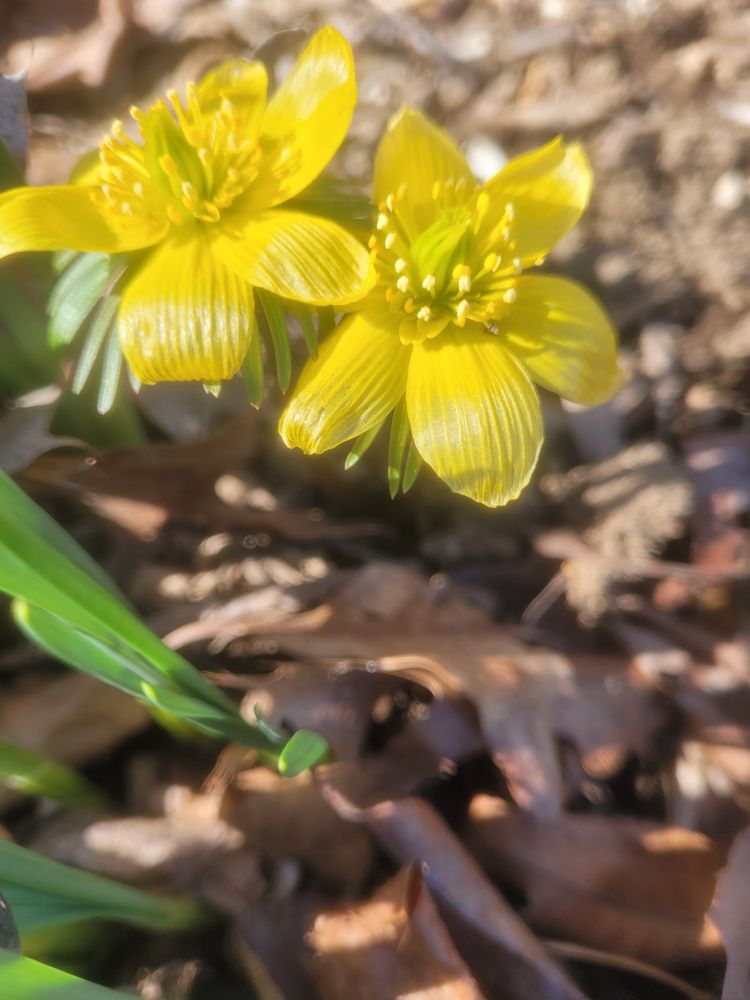
Also, we are almost at the vernal equinox. My environment is brightening in small ways, which tends to help with enduring the tough stuff.

Festival, virtual

Coronavirus safety protocols continue to affect my teaching at the college and life in general–also, the life of the shared and diverse arts community, near and far. But arts folk are creative folks, by nature problem solvers and think-outside-the-boxers. This weekend, I have been attending the biennial Geraldine R. Dodge Poetry Festival via technological interface (my laptop); it has so far been as mixed and as enlightening an experience as teaching has been for me this semester.

It has been years since I have been at the Dodge in person. Teaching and tutoring are busy for me in October, and I have been free to travel to the festival only once since its move to Newark in 2010. Times have changed, and I have changed. I’m taking notice of what I like and do not particularly like about the virtual platform of the 2020 festival. Bear in mind that I am only marginally tech-savvy and not a person who’s wedded to the screen (television or computer or phone).

First impression, from the “opening ceremony” and an initial panel, is that I like the closeups of the poets–something I seldom had the chance to see when in the crowded auditoriums or tents of past Dodge festivals. As an older attendee, I have to admit I appreciate hearing the readers more clearly. It’s also nice not to have to wait for stumbling about on stage as presenters navigate the stairs, step over wires, chat with emcees, or shuffle through papers and books marked with post-it notes.

There’s a downside, too, of course. I cannot see the holistic figures of the poets, their attire and body language, their posture on the stage. I do not feel the attentive excitement of fellow audience members, hear appreciative murmurs, applause, or the rare but spicy snide remarks. The readings seem somewhat static and prepared (which they have been). The festival thus loses some of its remarkable spontaneity. I suppose I’m referring here to a lost physical community–but all of us should be accustomed to that feeling by now.

On the second night of the event, Pádraig Ó Tuama moderated a panel discussion on the theme “Imagine a New Way” with Martín Espada, Vievee Francis, and Carolyn Forché. The poems were intensely engaging, the readings remarkable; and the discussion among the poets and moderator managed to feel lively and immediate. Oh, notes to take, things I must read, ideas that go ‘pop’ in my head…

The takeaway after day two is that my sense of skepticism about online performance and conference events has begun to wane a bit. True, there is less chance of bumping into colleagues and making connections with fellow poets while grabbing a snack, and the bookstore browsing is not nearly as lovely an experience when the bookstore is online. True, there is much I miss about the hubbub and the buzz of past festival experiences.

Yet it turns out I rather like watching and listening to poets while sitting home in my pajamas and drinking decent, not-overpriced wine in the company of no one but my cat. In fact, at present, the scenario rather suits my mood. And I will be ‘tuning in’ tomorrow.