Interviews

This past weekend I was most fortunate to have been interviewed, via Zoom, by four Chilean university students of English and creative writing. They are taking Hernán Pereira’s course at Arturo Prat University, Iquique, Chile. In 2014, Hernán collaborated with Dr. Karen Jogan of Albright College in Reading, Pennsylvania on a poetry and place project that resulted in the book So Far..So Close/Portada y Contraportada: Contemporary Writers of Tarapacá & Pennsylvania. Pamela Daza took the photos for the book; I posted a bit about it here. Thanks to social media, which I don’t often thank, I’ve kept in touch with Hernán, who is full of interesting ideas for teaching young people to enjoy poetry and to learn English.

Now, I’m retired, and I was pleased to hear from Hernán that he’s assigned his students books by English-speaking poets to read and research, and then interview, said writers (with whom he is acquainted). Would I be willing to be interviewed? Why, of course!

The result of most interviews is that I learn a great deal about my work by having other people ask me questions about it. I usually learn a bit about the interviewer(s) in the process. In this case, I was happy that the students had come up with some good and unexpected questions that really made me pause and ponder. I was also impressed with what excellent English skills they have, and how polite and earnest they are. One of the questions was what makes me motivated to write a poem. Not inspired (the usual question), but motivated–a slightly different verb and a telling one.

I answered along the lines of how seeing an image, experiencing an event, learning new information (ie observation), or reading a text with which I might disagree or wonder about leads me to a line of questioning/reflection, and that whole process motivates me to write. I have to say my answer was, in real time, rather vague, and that I was speaking with people for whom English is a second language. But a student named Maximillio said, “So, would you say then your motivation is responsive?” Wow, yes! Which clarifies a lot for me. I’m not a forward-momentum sort of writer who bulls into powerful expression, much as I admire such writers and sometimes wish I were more like them. I’m the ponderer, the one who imagines being an other and tries to figure out that perspective, the somewhat distant observer who nevertheless wants to bring the feelings and experiences home to whoever my reader may be.

That was a splendid experience for me. So nice to speak with people under 25 years old again. I miss that. Meanwhile, reading a 1998 edition of Lorca’s Poet in New York (in translation of course, though I am getting slightly better at reading the Spanish). And drafting new work in my head while watering the garden.
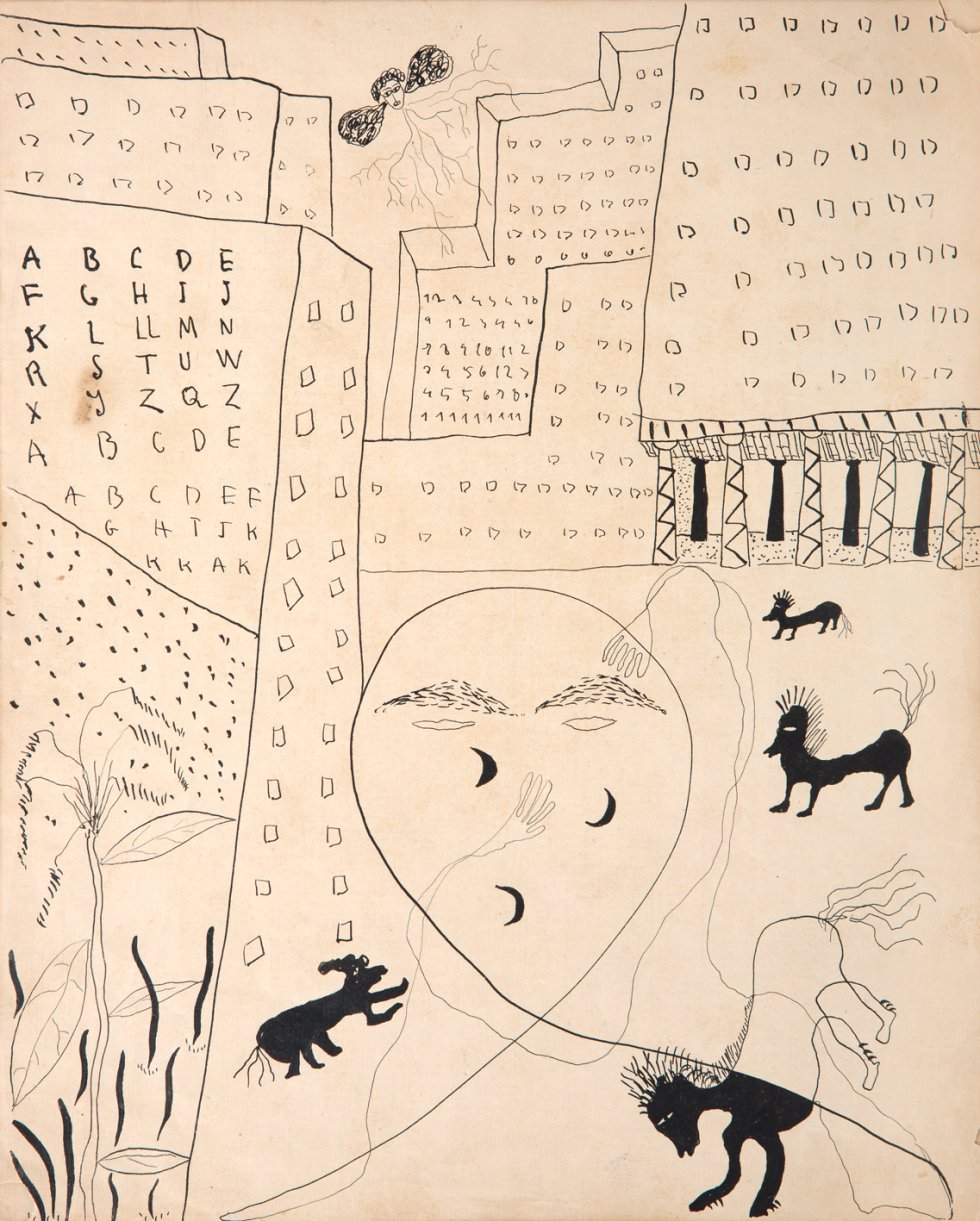
art by Federico Garcia Lorca.

Rainy-day reading

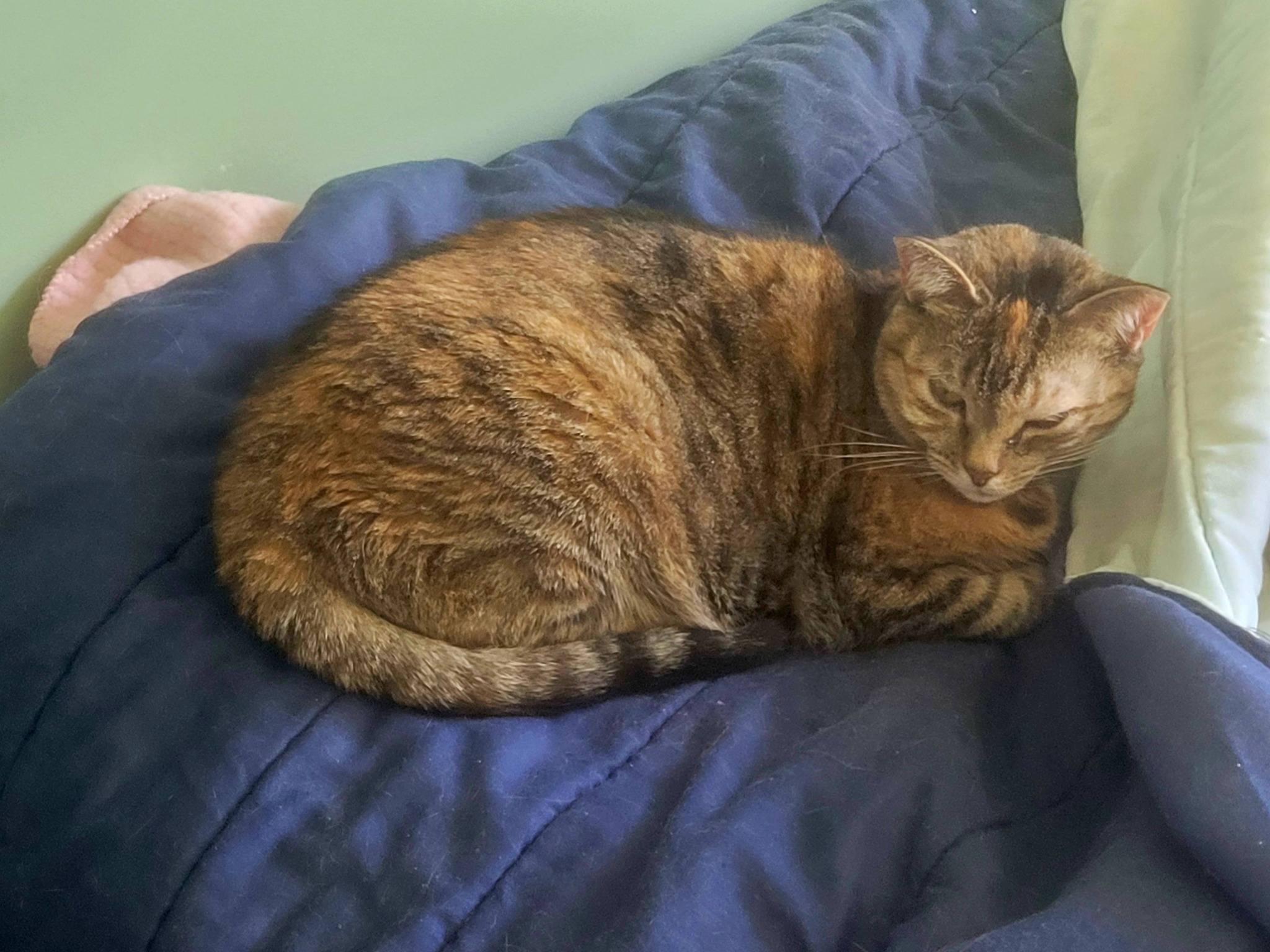
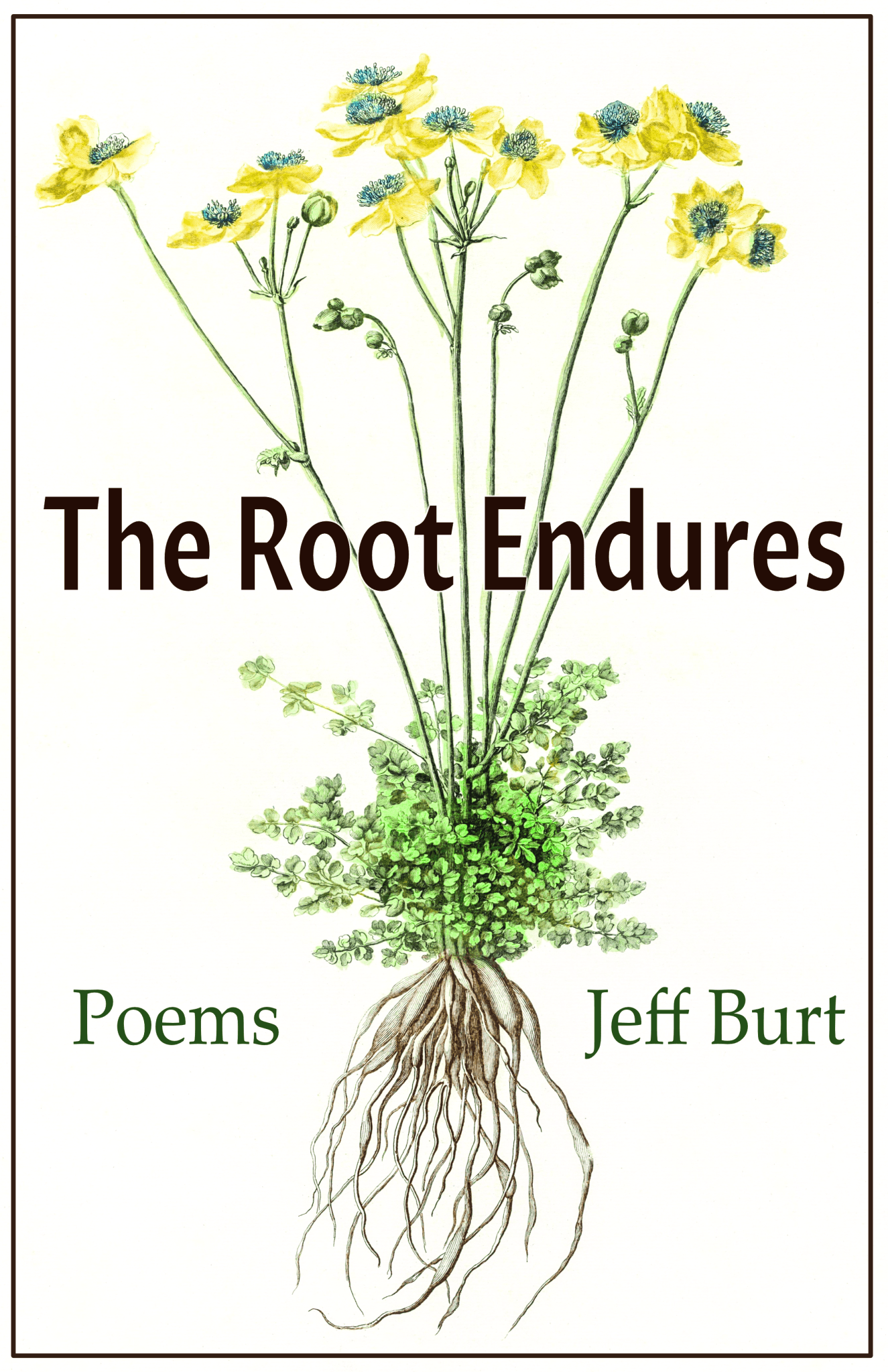
Much-needed rain has arrived, and therefore I’ve been inside all day instead of out in the yard and gardens. I thought maybe I would feel motivated to send some of my poems out into the wider world. Turns out that the motivation was a decided maybe, leaning toward lethargy. Instead, I curled up with a cat and Jeff Burt’s collection The Root Endures (Sheila-na-Gig Editions).

Actually, I read this book a week ago but decided to take a closer look so I could post about it, because I like it a lot. Jeff Burt’s poems contain nature-images and close observations of creatures, plants, and weather yet keep reminding the reader that there’s a decidedly human component here, an interior character who speculates about what human beings are doing here, thinking about, recalling. And how the world is constantly in flux. The rural Wisconsin of the speaker’s childhood feels vividly authentic, and I learned about lime bogs and de-tasseling corn. (I love it when I learn things from poems.) The book seems autobiographical in narrative but never becomes as specifically personal as a memoir would.

And frankly, I guess I might identify more deeply with this book than other, perhaps younger or more urban readers would. I grew up in the mid-Atlantic suburbs, but I spent all my childhood summers in the Midwestern small towns where my parents’ extended families lived. I infer that Burt is pretty much my peer, age-wise; some of his remembered details conjure up a kind of resonance I enjoy. What I’d like to learn from this collection is how to sustain a longer poem, which he does quite well. Not a strength of mine, though I’ve attempted it once or twice with some success. A poem that has numerous short stanzas and travels several pages needs to keep my attention, whether I’m reading it or writing it. Burt’s title poem (the last poem in the book) does this, as does the poem “As If Copper Wire Sang the Unleashing of Time” and “Into the Standing Grain.” Maybe studying writers like Jeff Burt and others can teach me how to write better medium-long poems when a longer poem seems necessary to whatever I’m trying to express. I don’t think I’m interested in writing really long poems–think A. R. Ammons, C. K. Williams, Robert Lowell–but I’d like to explore length a little more.

Whenever I read poetry, if I enjoy the work, I try to learn what the poet is doing that makes me like it. Sometimes it’s the perspective on a topic that surprises me, sometimes it’s the way the poet handles language or forms. Some writers have memorable phrasing or startling imagery, and some poets lift a lot of emotional weight with incredibly spare, condensed, or common words. Which is kind of amazing. Writers like Rebecca Elson, Martha Silano, and Tracy K. Smith create art out of physics and astronomy so that science enhances expression in new ways, or at any rate ways that are new to me. Tyehimba Jess’ Olio rocked my world with the possibilities of nonce forms, shape poems, historical narratives, and the ongoing tragedies oppression and racism have perpetrated.

I’ve always loved pondering and thinking (as a child, I was often accused of daydreaming but it isn’t the same), and poetry moves me into that happy space. Being curled up with a cat doesn’t hurt, either.

Widget

Complaints, critiques

This sort of critique has been around forever: https://themagialipoetryshow.substack.com/p/peeing-in-the-pool-of-poetic-mediocrity. I recall such chat when I was 20 years old and all poetry was print; there was much to-do about whether being a poet associated with a university was the only way to be taken seriously or at any rate recognized at all. There were complaints that celebrities got books published while excellent un-famous writers struggled, waiting for rejections by SASE*. Poets often complained of cliques, of infighting and pettiness. There was a certain railing against mediocre free verse and “overly-confessional” poetry; writers threw barbs at those deemed too political or not political enough, or too feminist or not feminist enough, or writing that was deemed too formal for contemporary times. Recognition was a term I heard often in the 1980s. It was what mattered, apparently. Needless to say, I did not attain it. I think, in retrospect, I’m glad I didn’t.

Author Ali Whitelock’s points are not all off the mark, in fact; who has not suffered through listening to some embarrassingly bad (well, we have to learn somehow) or, worse yet, egotistical/narcissistic readers at open mikes? All I can say for myself is that when I was starting out I recognized my work was not brilliant–but I needed the practice and tried not to overstay my welcome on stage. Even as a featured reader, I tended not to fill the time allotted. Granted, it helps that I don’t write epics! But I’ve heard these criticisms of open mike readings and about gate-keeping literary magazine editors for decades, and also the charge that poets are aiming more for recognition (today read: “likes”) than for highly-crafted work. And also the claim that there’s a sudden proliferation of “half-arsed poetry” in the world. Nope. Not sudden or new.

Whitelock’s essay is likely meant to be a bit provocative. Otherwise why use such freighted language, or make sarcastic remarks like “Poetry, as we all know, is competitive…”? And her bullet points about how to know when you’ve achieved a poem worth publishing–Eh. Not objective or even particularly actionable, and what if the writer really feels that her mediocre poem meets those points, even if few others agree? Taste, after all, is personal. However, I do like what she says about writing poems: “The poem itself – and the process whereby it is achieved – is the reward. Not the likes, not the prizes, not the comments – true, false or otherwise.” I’m definitely into the process. “Likes” on social media are nice, I suppose, but they tend not to mean much.

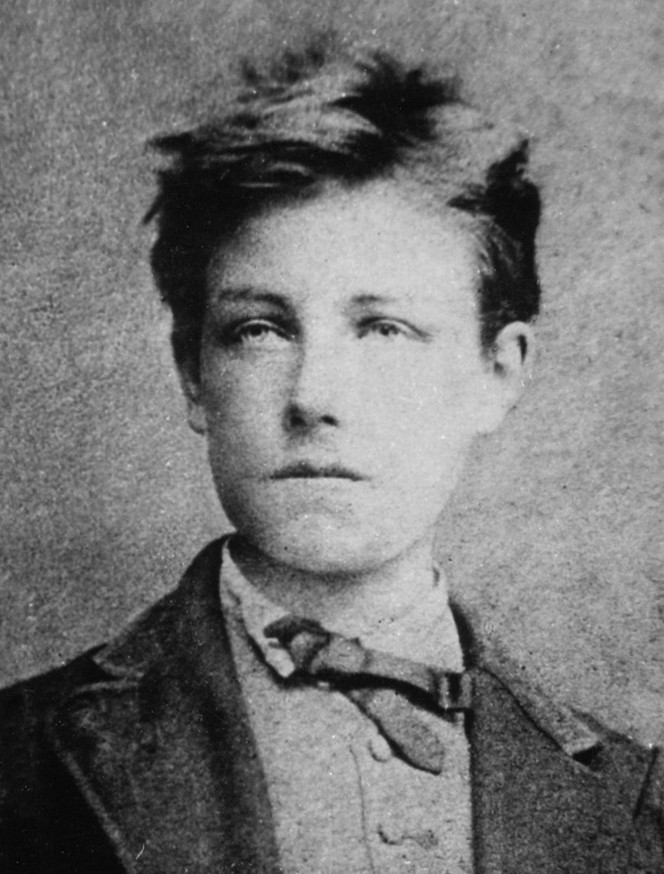
Rimbaud as a teen

Sometimes, literary people behave as though poetry exists under a tiny pup tent, when in fact poetry’s tent is the cosmos, as Whitman could have told us, or at any rate the big blue heaven over Earth. It’s true that I myself am more aligned with poets who read and study other poets, poets who revise diligently and work on rhythm and craft. But that’s just me, and I don’t count for much on the artistic stage. Besides, I’ve sometimes heard or read remarkable work by people who seem fortunately gifted with the ability to surprise and delight with language. Example: Rimbaud, though of course he’s an outlier. (Read A. Majmudar’s brief essay on Rimbaud in Kenyon Review, here!) And how well was his work received by the French literati of the period? They found him obscene and ragged, disliked him personally, felt his poems did not follow the prosody required for excellent poetry; and they weren’t far off the mark in any of that. Only people such as Verlaine wanted to publish him.

Most of us, those who are not preternaturally endowed with a gift for expressive language, need time and space and mentorship of one kind or another even to become mediocre poets, let alone fabulous ones. Yes, we should work at it if we find the writing process fascinating and worthwhile; but the outcome we may want is never assured, a little ambiguity and uncertainty and surprise are part of the package. I think there’s room in life for all kinds of poetry, even the proudly untutored “I write from my soul and never read anyone else’s work” or “My poetry is my therapy” kinds of poetry. If you don’t care for the work you can ignore it, but there’s no reason to feel jealous just because someone who writes like that gets recognition you think you deserve.

We don’t write poems because we believe we deserve anything–except, maybe, to be heard…and no one can promise us that, either.

~

* The term SASE means stamped, self-addressed envelope (for return of the submitted poems, or notice of their acceptance for publication, by postal mail, a process that often took 8 months to a year)

Photo by Aliaksei Semirski on Pexels.com

Closure

In the course of working on revisions, I’ve been pondering the closing lines of poems. Examining the close of a poem is common revision practice; and over the years, I have gathered much advice concerning when and how to end a poem, some of which is conflicting (of course). Perhaps most famous is Yeats’ idea that the poem should click closed like a box. But poets themselves may disagree. Mentor & Muse (no longer extant) devoted its last issue to just this topic, and clicking on the link will get you to the opening page–on which you will find numerous poetry worthies quoted regarding the way poems ought to end. The essays in the issue are also worth reading, though you may end up feeling more confused than ever about what poems need to do. https://mentorandmuse.net/issue-11-on-poetic-closure/

Photo by Nancy Zjaba on Pexels.com

And just consider the word “closure.” It derives from the word for a fence, wall, or enclosure, also meaning to lock and from the Latin verb for to close. Gestalt psychology employed it to refer to the sense of satisfaction that comes from making things (or feelings) whole even when parts are missing or when a visual image is fragmented. It’s something the human brain seems geared to do: make a whole from bits and pieces. For example, in Impressionist paintings, we see the images’ gestalt despite interrupted and fragmentary brush work. Which strikes me as not unlike many poems I can think of. So when a poem closes with a measure of uncertainty or ambivalence, is the poem flawed? Or can attentive readers make a whole or sense of the piece through the marvels of the brain’s networking activity, connections, resonance?

~

I’ve read that the turn in a poem is a key to the closing, and ending lines will be stronger depending on how near they are to (or distant from, and evocative of) the turn. This seemed helpful revision advice. Yet does every poem require a turn? The idea of the volta is ancient indeed, but it need not be a prescription for all the poems in the world. Poetry from other than Western cultures often proceeds quite beautifully without a turn, and does that mean that such a poem is static? That’s often seen as a negative in art: when nothing moves, or moves the viewer. I’d like to refer my readers to L.A. Johnson on Jericho Brown’s duplex form, “Radical Stasis” in Poetry. What could be more static than repetition? And yet in Brown’s work, the lack of a turn implies circularity, not necessarily ambivalence and certainly not a lack of movement. Johnson calls it a transformation.

I want to experiment with how altering a poem’s closing might lead to changing the poem’s form or structure for a stronger impact. Another option I’ve used is moving the last lines to the start or near the start of the poem. Maybe those lines weren’t really the image or idea that particular poem was aiming for. And then there is docking the tail of a poem. It may be a cruel practice for dogs and horses, but a poem can benefit from a careful removal of the unnecessary closing line(s). Closing lines that summarize a point can wreck my delight in a poem, and alas, I tend that way sometimes…I spent my childhood Sundays in church, listening to my dad declaim from the pulpit. The oral and rhetorical structure of sermons is routed into my brain, and that can be a real problem when I draft. Poetry can be many things, but I don’t care for poetry that sermonizes.

At any rate, I have a LOT of unfinished drafts that might benefit from change-ups. Instead of writing a blog post, I ought to be working on those! But in closing, here’s a poem by Kay Ryan that uses stasis and the tedious routines of housework as operation and image, and that ends with the non-ending of making things “unhappen.”

Linens
by Kay Ryan


There are charms
that forestall harm.
The house bristles
with opportunities
for stasis: refolding
the linens along
their creases, keeping
the spoons and chairs
in their right places.
Nobody needs to
witness one’s exquisite
care with the napkins
for the napkins
to have been the act
that made the fact
unhappen.

~