This sort of critique has been around forever: https://themagialipoetryshow.substack.com/p/peeing-in-the-pool-of-poetic-mediocrity. I recall such chat when I was 20 years old and all poetry was print; there was much to-do about whether being a poet associated with a university was the only way to be taken seriously or at any rate recognized at all. There were complaints that celebrities got books published while excellent un-famous writers struggled, waiting for rejections by SASE*. Poets often complained of cliques, of infighting and pettiness. There was a certain railing against mediocre free verse and “overly-confessional” poetry; writers threw barbs at those deemed too political or not political enough, or too feminist or not feminist enough, or writing that was deemed too formal for contemporary times. Recognition was a term I heard often in the 1980s. It was what mattered, apparently. Needless to say, I did not attain it. I think, in retrospect, I’m glad I didn’t.
Author Ali Whitelock’s points are not all off the mark, in fact; who has not suffered through listening to some embarrassingly bad (well, we have to learn somehow) or, worse yet, egotistical/narcissistic readers at open mikes? All I can say for myself is that when I was starting out I recognized my work was not brilliant–but I needed the practice and tried not to overstay my welcome on stage. Even as a featured reader, I tended not to fill the time allotted. Granted, it helps that I don’t write epics! But I’ve heard these criticisms of open mike readings and about gate-keeping literary magazine editors for decades, and also the charge that poets are aiming more for recognition (today read: “likes”) than for highly-crafted work. And also the claim that there’s a sudden proliferation of “half-arsed poetry” in the world. Nope. Not sudden or new.
Whitelock’s essay is likely meant to be a bit provocative. Otherwise why use such freighted language, or make sarcastic remarks like “Poetry, as we all know, is competitive…”? And her bullet points about how to know when you’ve achieved a poem worth publishing–Eh. Not objective or even particularly actionable, and what if the writer really feels that her mediocre poem meets those points, even if few others agree? Taste, after all, is personal. However, I do like what she says about writing poems: “The poem itself – and the process whereby it is achieved – is the reward. Not the likes, not the prizes, not the comments – true, false or otherwise.” I’m definitely into the process. “Likes” on social media are nice, I suppose, but they tend not to mean much.
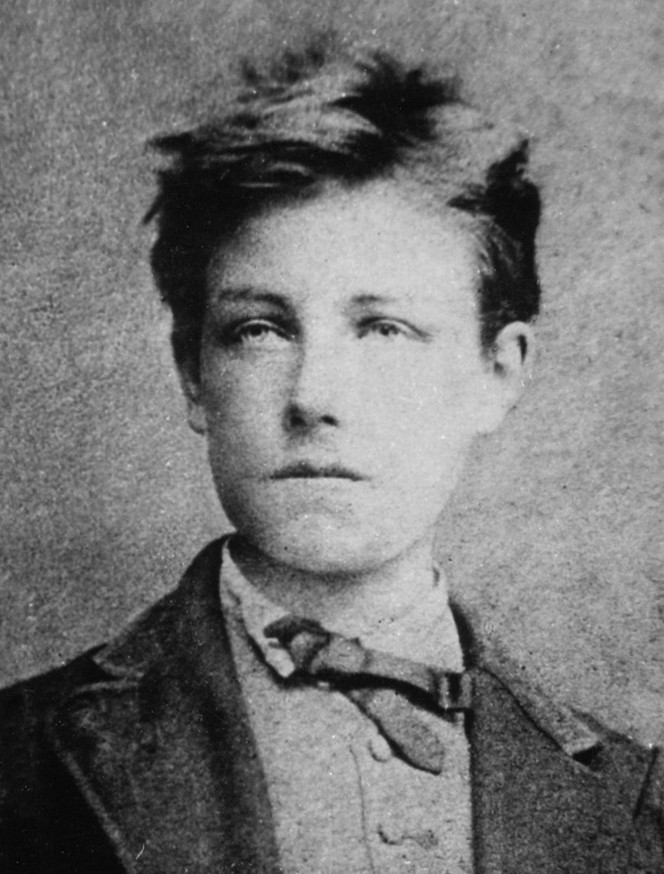
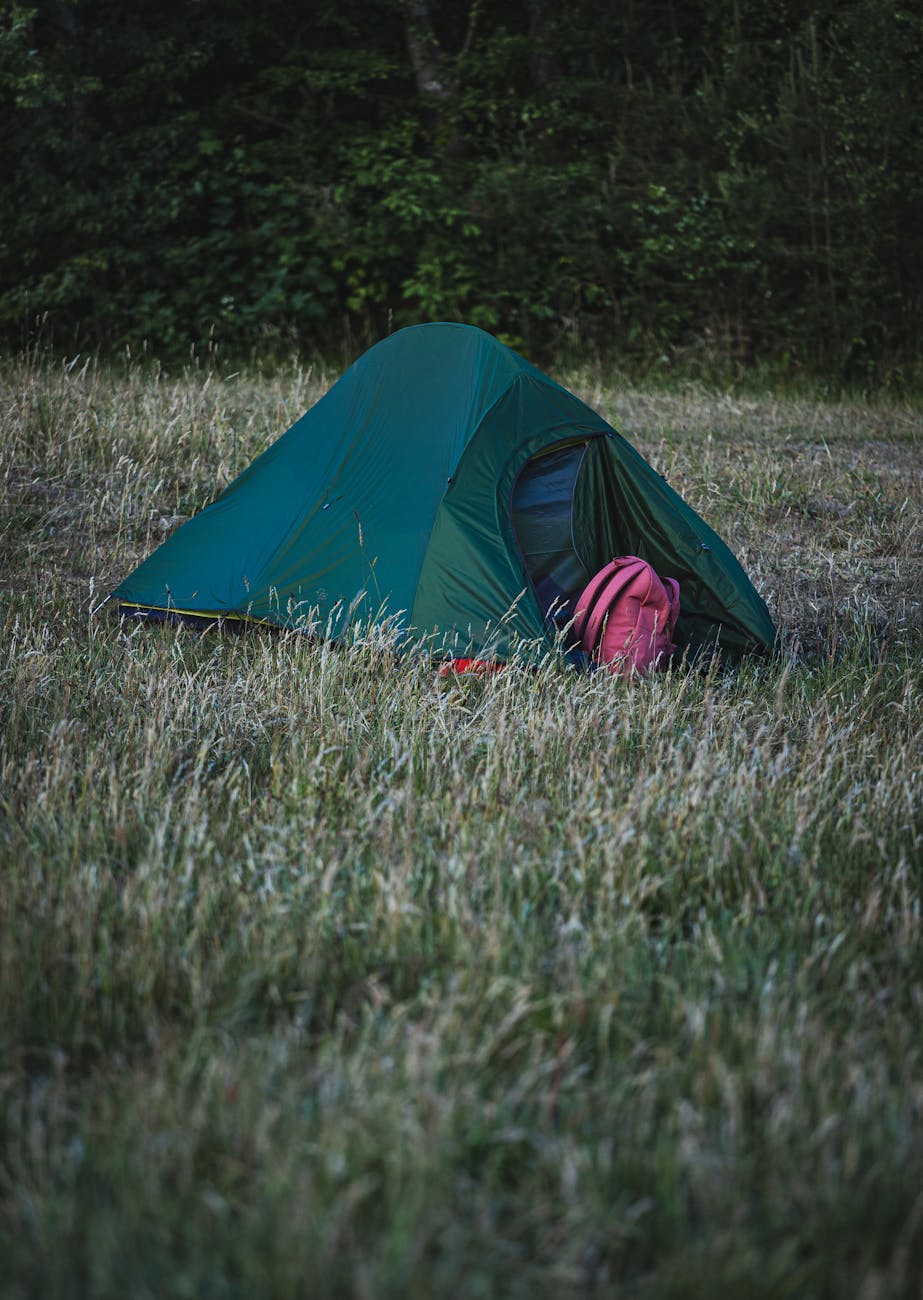
Sometimes, literary people behave as though poetry exists under a tiny pup tent, when in fact poetry’s tent is the cosmos, as Whitman could have told us, or at any rate the big blue heaven over Earth. It’s true that I myself am more aligned with poets who read and study other poets, poets who revise diligently and work on rhythm and craft. But that’s just me, and I don’t count for much on the artistic stage. Besides, I’ve sometimes heard or read remarkable work by people who seem fortunately gifted with the ability to surprise and delight with language. Example: Rimbaud, though of course he’s an outlier. (Read A. Majmudar’s brief essay on Rimbaud in Kenyon Review, here!) And how well was his work received by the French literati of the period? They found him obscene and ragged, disliked him personally, felt his poems did not follow the prosody required for excellent poetry; and they weren’t far off the mark in any of that. Only people such as Verlaine wanted to publish him.
Most of us, those who are not preternaturally endowed with a gift for expressive language, need time and space and mentorship of one kind or another even to become mediocre poets, let alone fabulous ones. Yes, we should work at it if we find the writing process fascinating and worthwhile; but the outcome we may want is never assured, a little ambiguity and uncertainty and surprise are part of the package. I think there’s room in life for all kinds of poetry, even the proudly untutored “I write from my soul and never read anyone else’s work” or “My poetry is my therapy” kinds of poetry. If you don’t care for the work you can ignore it, but there’s no reason to feel jealous just because someone who writes like that gets recognition you think you deserve.
We don’t write poems because we believe we deserve anything–except, maybe, to be heard…and no one can promise us that, either.
~
* The term SASE means stamped, self-addressed envelope (for return of the submitted poems, or notice of their acceptance for publication, by postal mail, a process that often took 8 months to a year)