Workshops

Ah, summer. Historically, not the best season for writing as far as I am concerned. The garden, yard, and outdoor activities tend to take precedence over sitting with a notebook or in front of a screen. Sending out or revising work gets shunted to rainy days, or to days so blisteringly hot and humid that I’m forced to stay indoors with the dreaded air conditioner going. So it is a bit out of the ordinary that I have participated in not one but two online poetry workshops this June. And they were worthwhile.
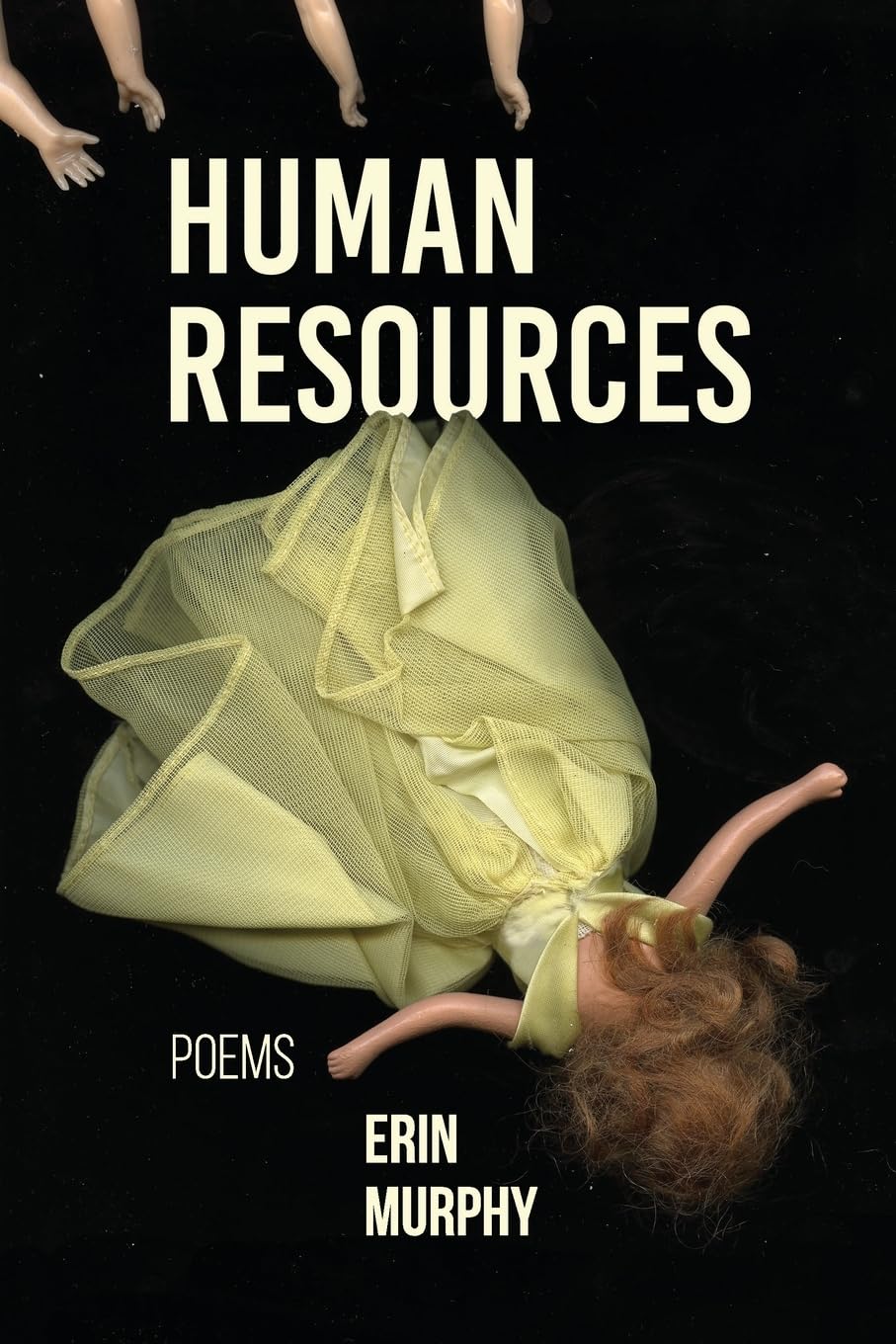
First was a workshop sponsored by One Art online magazine (Mark Danowsky and Louisa Schnaithmann, editors) in which Erin Murphy read, defined, and gave examples of demi-sonnets, a form of her own invention. She discussed using the form and offered suggestions for revising poems using the demi-sonnet; she had us writing to a prompt and revising one of our longer drafts to “fit” into a 7-line stanza–an excellent practice for learning to be more concise. The practice is fun and was useful to me. I had already tried my hand at demi-sonnets and at 7-line poems, but using the process and form for revision was enlightening. Readers, you must check out her work! She has published lots of poetry collections.

~

Later in the month, Lesley Wheeler‘s “Poetry from the Underworld” was a 3-hour online workshop sponsored by Sara Ann Winn of Poet Camp. I’ve been a fan of Lesley’s work (and of Lesley herself) for some time now, and thus jumped at the opportunity to attend a workshop with her. Wheeler had us explore the variety of ways we can consider the Underworld and write about it, or use the concept as a starting or ending point (or metaphor) for our work. Think about it: Hell, Persephone, Inanna, spelunking, oceans, tunnels, subways, archaeology, burrows, mycorrhiza, drilling, depressive episodes, digging, death, Sigmund Freud, the unconscious. Yes, the possibilities are nearly endless for poets.

She then covered quite a few revision process options and let us hear how her poem “Sex Talk” developed; a moving, personal, and craft-based discussion that all of us learned from, I think. Kudos and gratitude.

Writers, or at least I, need interaction with others who understand the purpose of and necessity for feedback, fresh ideas, process notes, and further learning about the complicated work we try to do. When in-person meetings are not easily available, I’m grateful that there are people like Mark and Louisa and Sara Ann who are willing to make the effort to create online, virtual spaces for workshops and critique groups–meeting places for introverts and quasi-hermits and gardeners and older folks or people with disabilities who cannot easily get out much. I know how much coordinating and planning and PR is involved, and I send love out to all of the humans who are willing to do this job. I might also add that both of these workshops were “very modestly priced.” Not free–teachers and facilitators need to be paid for their work. That’s important. But not out-of-reach for those who haven’t got lots of extra spending money. It’s a challenging balancing act. Thank heaven for people who care about the arts.

<3
Not a luxury

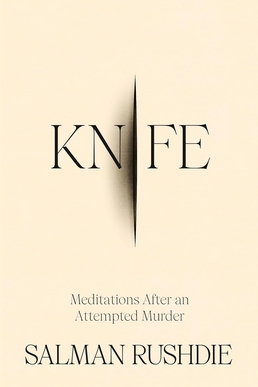
I’ve just finally gotten around to reading Salman Rushdie’s memoir Knife, in which he writes:

“…[A]rt challenges orthodoxy. To reject or vilify that art because it does that is to fail to understand its nature. Art sets the artist’s passionate personal vision against the received ideas of its time. Art knows that received ideas are the enemies of art…clichés are received ideas and so are ideologies…without art, our ability to think, to see freshly, and to renew our world would wither and die.

Art is not a luxury. It stands at the essence of our humanity, and it asks for no special protection except the right to exist. It accepts argument, criticism, even rejection. It does not accept violence.” [Salman Rushdie]

There are others who’ve said this. I think immediately of Audre Lorde: “Poetry is not a luxury. It is a vital necessity of our existence. It forms the quality of the light within which we predicate our hopes and dreams toward survival and change, first made into language, then into idea, then into more tangible action. Poetry is the way we help give name to the nameless so it can be thought. The farthest horizons of our hopes and fears are cobbled by our poems, carved from the rock experiences of our daily lives.”

What makes a person really a writer, really an artist, is–in my mind–this quality of necessity. And of the right to exist, regardless of whether the nation, state, government, religion, or other ideology suggests that one ought to shut up. For many years, I questioned whether I was, or would ever be, “really a writer.” Now, I feel that I am. Regardless of what the academy, the current aesthetic, the powers that be might say. There’s a deep contentment that accompanies this feeling: somehow or other, I got here; it has little to do with publication or public acknowledgment, and even less to do with remuneration.

Maybe it’s age. (Crone wisdom, anyone?) So, for any of my readers who are younger people, by which I mean under 55, who feel like impostors or dilettantes or who question whether they deserve the title of “a serious writer,” I’m going to suggest that you keep writing and endure. And maybe stop asking yourself so many questions about your worth. You don’t have to be famous or acknowledged to be a writer, you just have to be dedicated to writing and to learning about writing. There’s value even in that, in looking hard at the “rock experiences” of your daily life and endeavoring to make something of those experiences. Stay curious, stay unorthodox.

A recent anecdote to illustrate: For a few years now, I have been revising and revising a challenging poem that says something that is important to me, even though the idea came from someone else. I finally realized it would have to be a persona poem and would need to use the person’s actual words as a starting point. It’s a poem about a major breach of faith, a sad piece that questions orthodoxy in a significant way, in a way that is braver than I would be able to do myself. Once I finally got the poem to work, I had no idea who would want to publish it. (My Best Beloved found this poem “troubling,” which is a reaction I’m happy with because it should be troubling to readers, that was the point.) And then I saw a call from a journal I have admired and read online for quite awhile…looking for thorny pieces on this sort of topic. Working with the unorthodox isn’t easy.

Anyway? The poem’s been accepted. I’m thrilled! I’m a writer!

(The poem is here. Scroll down quite a bit or, better yet, read the work in this issue of Persimmon Tree!)

Ghost metaphors

I recently read a New Yorker article about misophonia that referred to the sound of “fingernails on a chalkboard.” Chalkboards. They were in every classroom throughout my schooling, but by the time my own children were in sixth grade, a middle-school remodeling push had replaced them with whiteboards. The college where I taught had whiteboards, as do most boardrooms, meeting places, etc. An occasional squeak of a too-dry marker is about as aurally annoying as it gets. Who uses chalkboards anymore? Maybe the occasional cafe for daily specials?

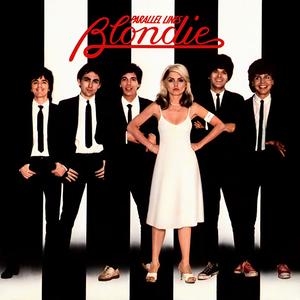
And therefore, why do we still use “fingernails on a chalkboard” when we want to describe something extremely irritating? Like many other phrases and images, that phrase is frozen into our language–there are hosts of them if you stop and think about it. 33rpm albums may be back for some niche music listeners, but most people under 20 have never actually heard “a broken record.” Pop culture moves so quickly; what do young people think it means when Blondie’s Debbie Harry says she’s in a phone booth ringing the telephone off the wall? (If they even happen to hear that song.) I think of these as ghost similes or metaphors, still haunting our language long after the origins have gone out of date. Some of them hang around for decades, maybe centuries; others fade like last year’s popular lingo.

I consider these things when I’m working on a poem. What will the words mean decades from now, or to a person in another culture, or to a very elderly reader? It’s not that I think my poems will be read decades from now–heck, they don’t have a lot of readers even today–but, because poems convey information and imagery in order to evoke interpretation and to create pleasurable sound and rhythm, poets need to think about the words we employ and why we use them. Allusions, metaphors, the lively sounds of slang or dialect, popular culture or political references, scientific terms, various kinds of jargon, words from languages other than English: they are all words, the writer’s main tools. And it can be harder than you’d think to get the right tool for the job.

At the same time, I don’t want to overthink. It gets in the way of writing poetry. I seriously doubt that Emily Dickinson gave a second thought about being picked up in a carriage by Death; horse-drawn carriages were a part of everyday life. When Whitman wrote of fishermen seining for menhaden on the Long Island shores (“A Paumanok Picture”), it’s unlikely he thought the word “mossbonkers” would send readers running to a dictionary. If we have to look up some words today to get a clear idea of what’s happening in a poem, I see no problem with that. Besides, the Whitman poem is so clear in its description, we don’t really need to.

~

An aside: I just read a curated selection of Ursula Le Guin’s blog posts, No Time to Spare, written mostly between 2010 and 2015. I find her clear-eyed and curious view of being “really old” pragmatic and refreshing…something to emulate, should I live so long. And her continuing interest in reading and writing and thinking about the world–I definitely want to emulate that approach!

And now, back to the garden. We got some rain–hooray–but it made the weeds as happy as it made the tomatoes.

Invention

I’ve been thinking about creativity in the sense of inventiveness, spurred by two recent visits to two very different places. The first place is the Hagley Museum, an industrial museum, site of the original DuPont de Nemours gunpowder works in Delaware, along the quiet Brandywine. The area was not so placid from 1803 to 1920 when the factories were active and a town’s-worth of people lived and labored here doing a dangerous job. The historic non-profit has created a “museum of invention” at the works, in what was once a textile mill, and it features a large number of mostly 19th-century patent models. Also some of the mechanical drawings that accompanied them. Inventors from all walks of life are represented, and I was impressed by the usually-anonymous craftspeople who made the 3-D models for the Patent Office. So cool!

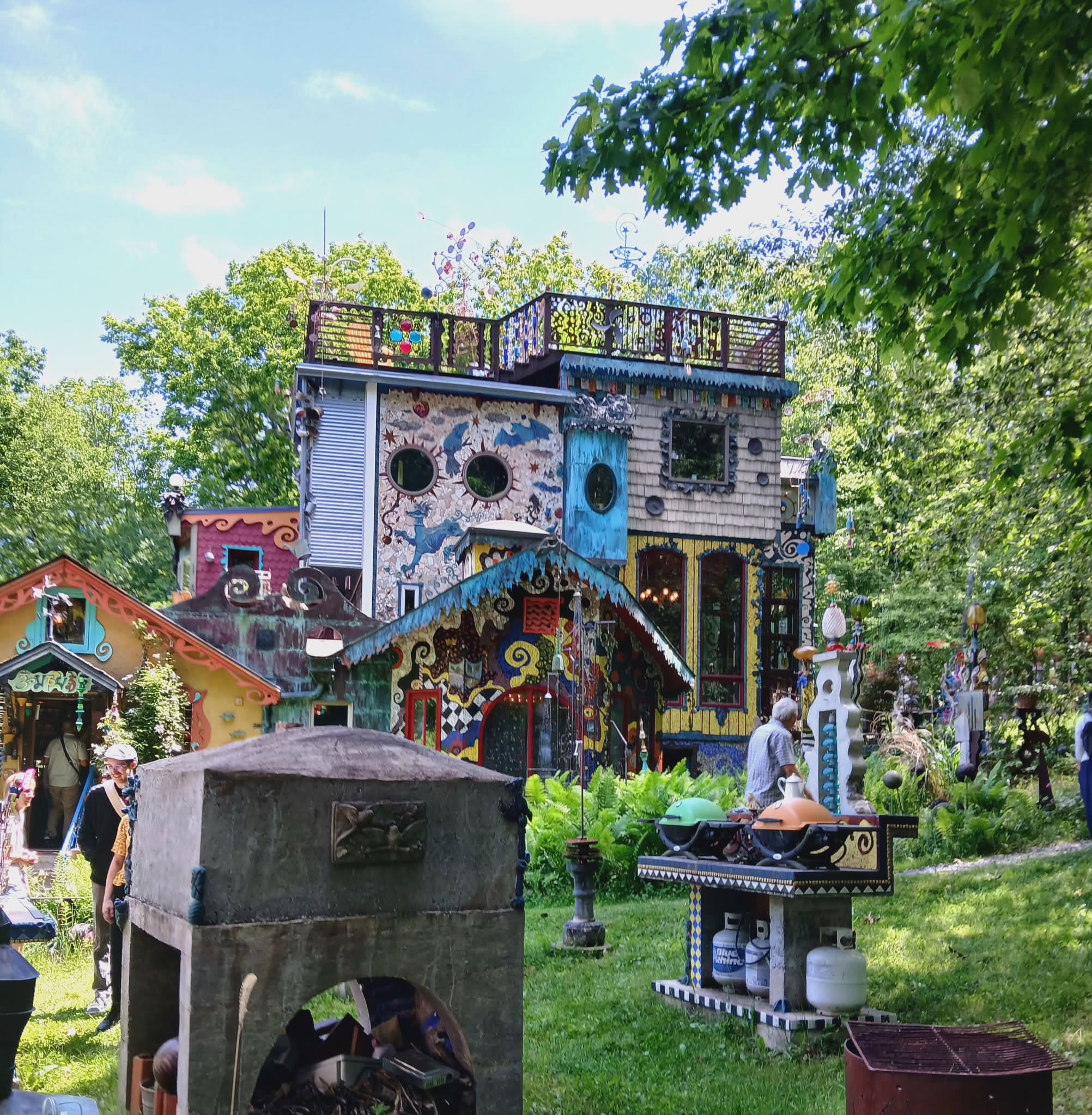
I think this is the west side of the house…

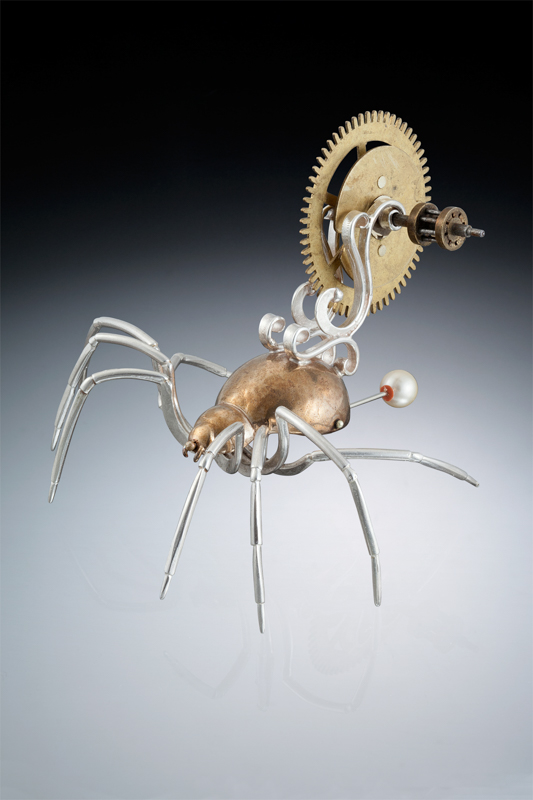
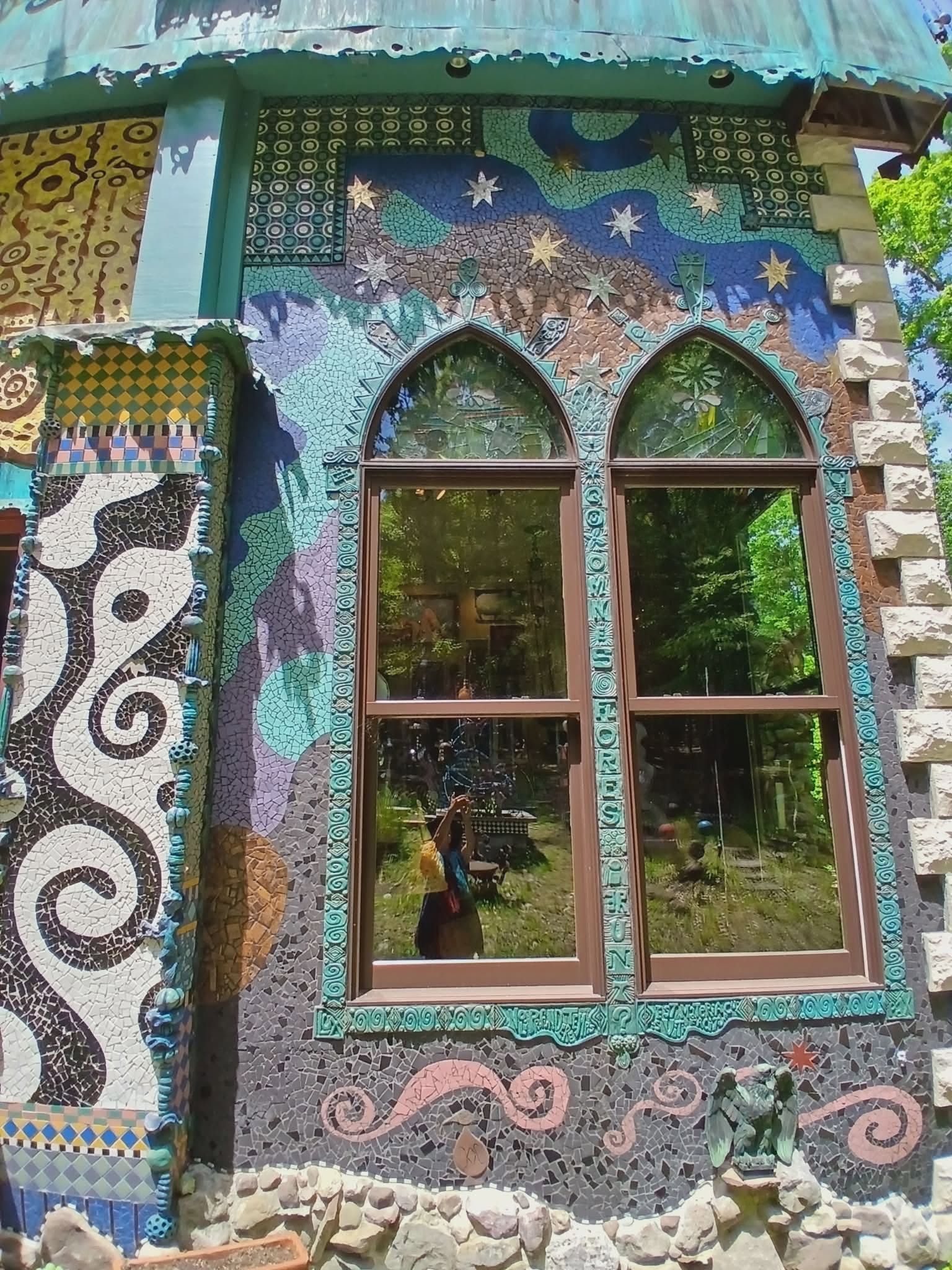
Then, a couple of days ago, we visited Luna Parc, which is quite an experience. It is a handmade house, sculpture garden, and studio that Ricky Boscarino has been working on for decades. A Rhode Island School of Design student fascinated by silver-smithing, Boscarino decided early on that he wanted to make a living doing art. He began by making unusual (and sometimes slightly alarming*) jewelry and creating art from found objects. He’s also a painter, ceramicist, welder, woodworker…and trying to make his housing needs, studio, and life as sustainable as possible in the wooded region near Stokes State Park in New Jersey. Now, the place is a non-profit that trains students, sponsors art interns, and continues to grow and morph into, well, who knows? He’s devoted his life to art-making. And the place is really fun to explore.

Talk about inventive!

It’s something people need to do, have an urge to do–invent stuff for some purpose, to solve a problem, for enjoyment, or out of a need to play around; we are, as Huizinga says, Homo Ludens (see this post!). Play leads to all kinds of things, piqued by curiosity and that urge to fiddle with things. The patent models at Hagley were behind glass, but I was itching to play with them, like a five-year-old.

That is what I like about writing poetry, too, the play and invention of it–using words, images, sounds, patterns. Earlier today I was messing around with quatrains that used rhyme/slant rhyme line endings, switching off between ABBA and ABAB by stanza. The poem’s content isn’t cheerful, yet puttering with possible patterns was fun and kept me thinking about the topic. Then I went inside and put Bach’s Inventions & Sinfonias on the stereo.

~

All of the above by Ricky Boscarino. Purchase his work or book a tour here.