I’ve been thinking about creativity in the sense of inventiveness, spurred by two recent visits to two very different places. The first place is the Hagley Museum, an industrial museum, site of the original DuPont de Nemours gunpowder works in Delaware, along the quiet Brandywine. The area was not so placid from 1803 to 1920 when the factories were active and a town’s-worth of people lived and labored here doing a dangerous job. The historic non-profit has created a “museum of invention” at the works, in what was once a textile mill, and it features a large number of mostly 19th-century patent models. Also some of the mechanical drawings that accompanied them. Inventors from all walks of life are represented, and I was impressed by the usually-anonymous craftspeople who made the 3-D models for the Patent Office. So cool!
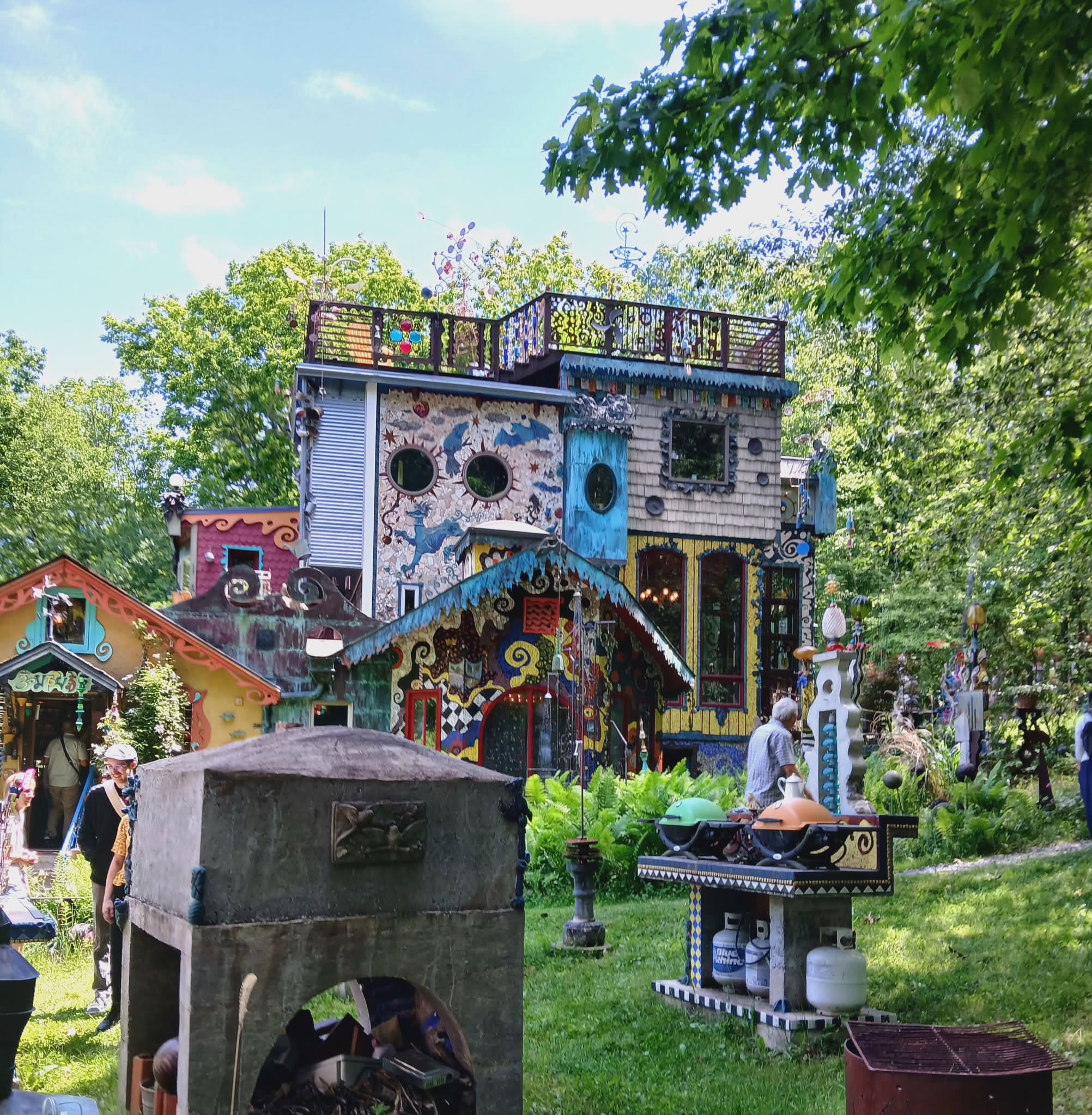
Then, a couple of days ago, we visited Luna Parc, which is quite an experience. It is a handmade house, sculpture garden, and studio that Ricky Boscarino has been working on for decades. A Rhode Island School of Design student fascinated by silver-smithing, Boscarino decided early on that he wanted to make a living doing art. He began by making unusual (and sometimes slightly alarming*) jewelry and creating art from found objects. He’s also a painter, ceramicist, welder, woodworker…and trying to make his housing needs, studio, and life as sustainable as possible in the wooded region near Stokes State Park in New Jersey. Now, the place is a non-profit that trains students, sponsors art interns, and continues to grow and morph into, well, who knows? He’s devoted his life to art-making. And the place is really fun to explore.
Talk about inventive!
It’s something people need to do, have an urge to do–invent stuff for some purpose, to solve a problem, for enjoyment, or out of a need to play around; we are, as Huizinga says, Homo Ludens (see this post!). Play leads to all kinds of things, piqued by curiosity and that urge to fiddle with things. The patent models at Hagley were behind glass, but I was itching to play with them, like a five-year-old.
That is what I like about writing poetry, too, the play and invention of it–using words, images, sounds, patterns. Earlier today I was messing around with quatrains that used rhyme/slant rhyme line endings, switching off between ABBA and ABAB by stanza. The poem’s content isn’t cheerful, yet puttering with possible patterns was fun and kept me thinking about the topic. Then I went inside and put Bach’s Inventions & Sinfonias on the stereo.
~
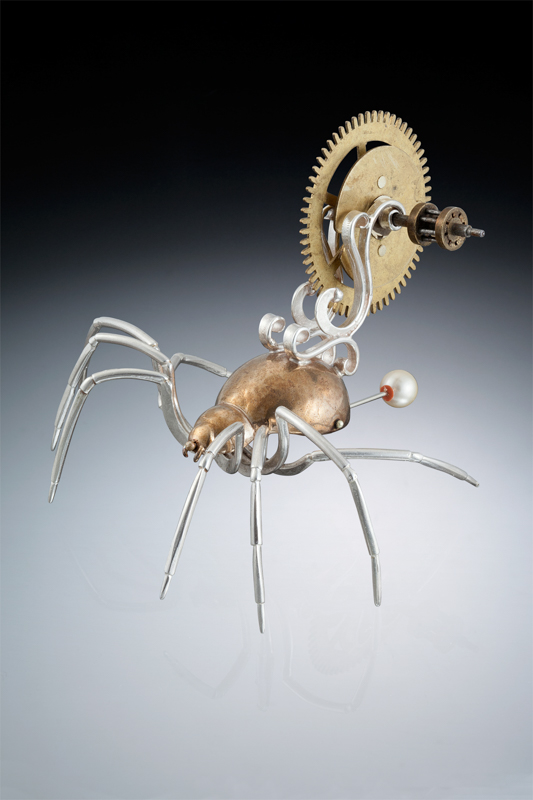
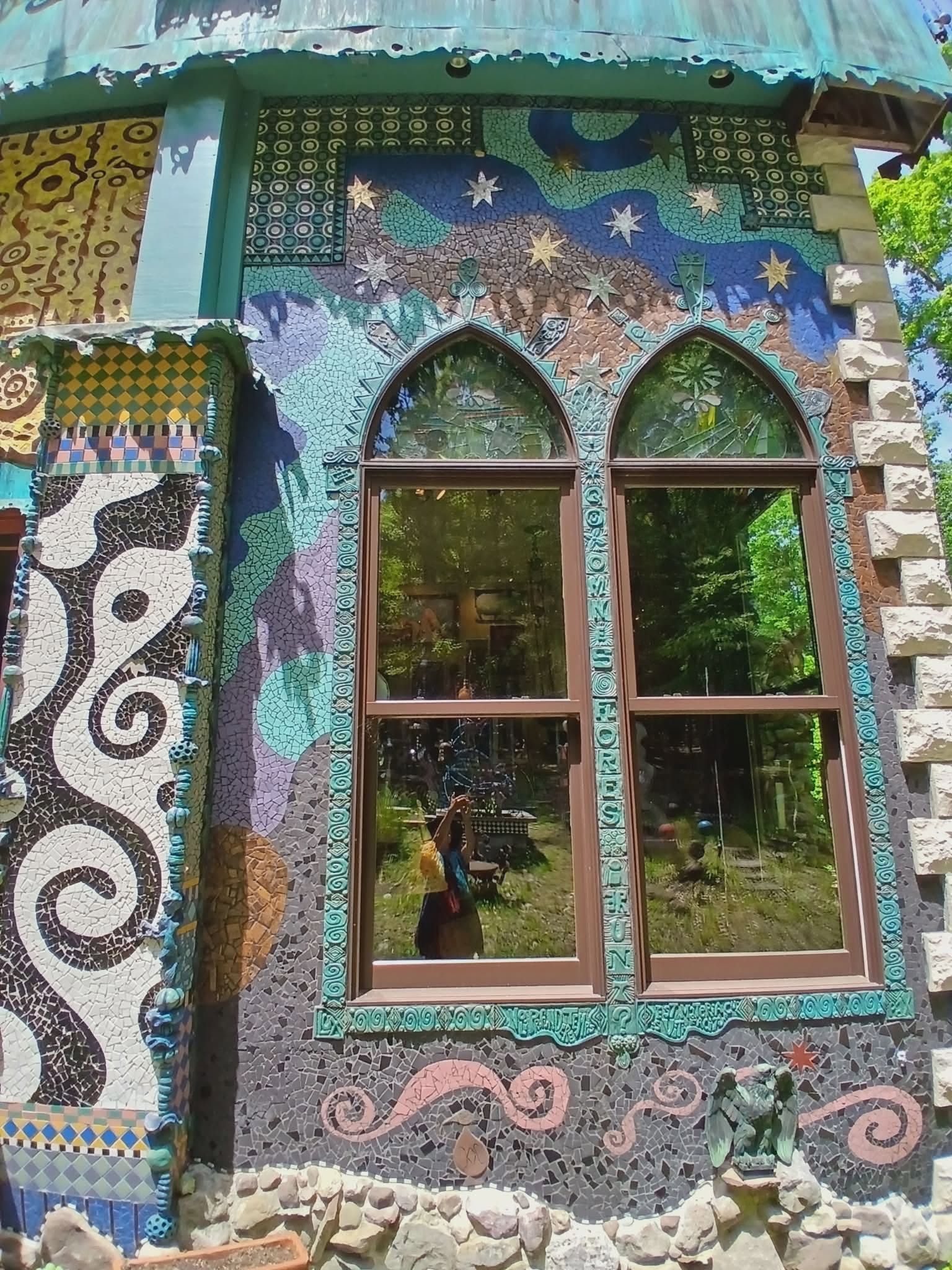
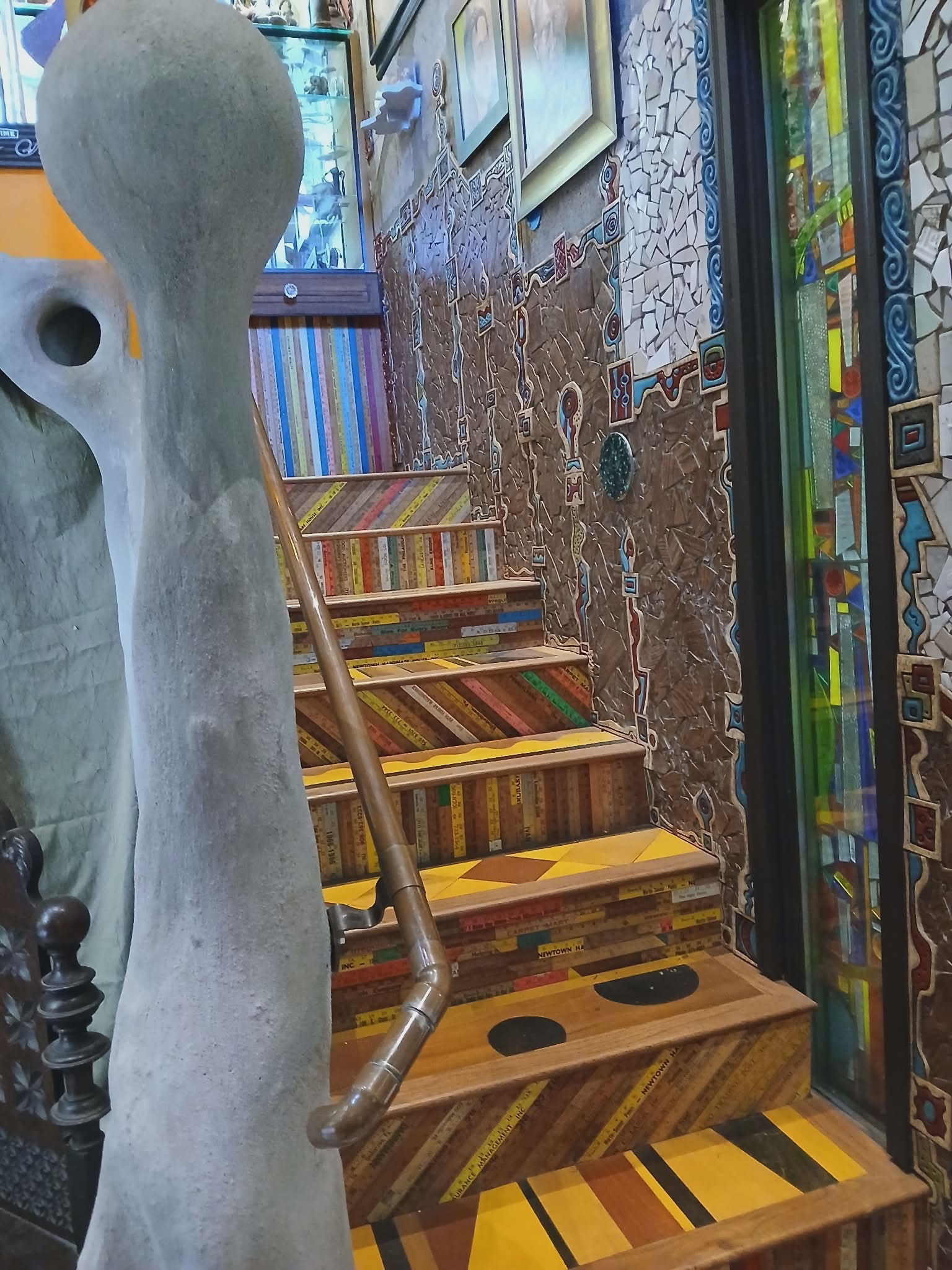
All of the above by Ricky Boscarino. Purchase his work or book a tour here.


