I recently read a New Yorker article about misophonia that referred to the sound of “fingernails on a chalkboard.” Chalkboards. They were in every classroom throughout my schooling, but by the time my own children were in sixth grade, a middle-school remodeling push had replaced them with whiteboards. The college where I taught had whiteboards, as do most boardrooms, meeting places, etc. An occasional squeak of a too-dry marker is about as aurally annoying as it gets. Who uses chalkboards anymore? Maybe the occasional cafe for daily specials?
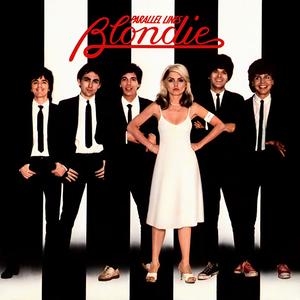
And therefore, why do we still use “fingernails on a chalkboard” when we want to describe something extremely irritating? Like many other phrases and images, that phrase is frozen into our language–there are hosts of them if you stop and think about it. 33rpm albums may be back for some niche music listeners, but most people under 20 have never actually heard “a broken record.” Pop culture moves so quickly; what do young people think it means when Blondie’s Debbie Harry says she’s in a phone booth ringing the telephone off the wall? (If they even happen to hear that song.) I think of these as ghost similes or metaphors, still haunting our language long after the origins have gone out of date. Some of them hang around for decades, maybe centuries; others fade like last year’s popular lingo.
I consider these things when I’m working on a poem. What will the words mean decades from now, or to a person in another culture, or to a very elderly reader? It’s not that I think my poems will be read decades from now–heck, they don’t have a lot of readers even today–but, because poems convey information and imagery in order to evoke interpretation and to create pleasurable sound and rhythm, poets need to think about the words we employ and why we use them. Allusions, metaphors, the lively sounds of slang or dialect, popular culture or political references, scientific terms, various kinds of jargon, words from languages other than English: they are all words, the writer’s main tools. And it can be harder than you’d think to get the right tool for the job.
At the same time, I don’t want to overthink. It gets in the way of writing poetry. I seriously doubt that Emily Dickinson gave a second thought about being picked up in a carriage by Death; horse-drawn carriages were a part of everyday life. When Whitman wrote of fishermen seining for menhaden on the Long Island shores (“A Paumanok Picture”), it’s unlikely he thought the word “mossbonkers” would send readers running to a dictionary. If we have to look up some words today to get a clear idea of what’s happening in a poem, I see no problem with that. Besides, the Whitman poem is so clear in its description, we don’t really need to.
~
An aside: I just read a curated selection of Ursula Le Guin’s blog posts, No Time to Spare, written mostly between 2010 and 2015. I find her clear-eyed and curious view of being “really old” pragmatic and refreshing…something to emulate, should I live so long. And her continuing interest in reading and writing and thinking about the world–I definitely want to emulate that approach!
And now, back to the garden. We got some rain–hooray–but it made the weeds as happy as it made the tomatoes.


