Interviews

This past weekend I was most fortunate to have been interviewed, via Zoom, by four Chilean university students of English and creative writing. They are taking Hernán Pereira’s course at Arturo Prat University, Iquique, Chile. In 2014, Hernán collaborated with Dr. Karen Jogan of Albright College in Reading, Pennsylvania on a poetry and place project that resulted in the book So Far..So Close/Portada y Contraportada: Contemporary Writers of Tarapacá & Pennsylvania. Pamela Daza took the photos for the book; I posted a bit about it here. Thanks to social media, which I don’t often thank, I’ve kept in touch with Hernán, who is full of interesting ideas for teaching young people to enjoy poetry and to learn English.

Now, I’m retired, and I was pleased to hear from Hernán that he’s assigned his students books by English-speaking poets to read and research, and then interview, said writers (with whom he is acquainted). Would I be willing to be interviewed? Why, of course!

The result of most interviews is that I learn a great deal about my work by having other people ask me questions about it. I usually learn a bit about the interviewer(s) in the process. In this case, I was happy that the students had come up with some good and unexpected questions that really made me pause and ponder. I was also impressed with what excellent English skills they have, and how polite and earnest they are. One of the questions was what makes me motivated to write a poem. Not inspired (the usual question), but motivated–a slightly different verb and a telling one.

I answered along the lines of how seeing an image, experiencing an event, learning new information (ie observation), or reading a text with which I might disagree or wonder about leads me to a line of questioning/reflection, and that whole process motivates me to write. I have to say my answer was, in real time, rather vague, and that I was speaking with people for whom English is a second language. But a student named Maximillio said, “So, would you say then your motivation is responsive?” Wow, yes! Which clarifies a lot for me. I’m not a forward-momentum sort of writer who bulls into powerful expression, much as I admire such writers and sometimes wish I were more like them. I’m the ponderer, the one who imagines being an other and tries to figure out that perspective, the somewhat distant observer who nevertheless wants to bring the feelings and experiences home to whoever my reader may be.

That was a splendid experience for me. So nice to speak with people under 25 years old again. I miss that. Meanwhile, reading a 1998 edition of Lorca’s Poet in New York (in translation of course, though I am getting slightly better at reading the Spanish). And drafting new work in my head while watering the garden.
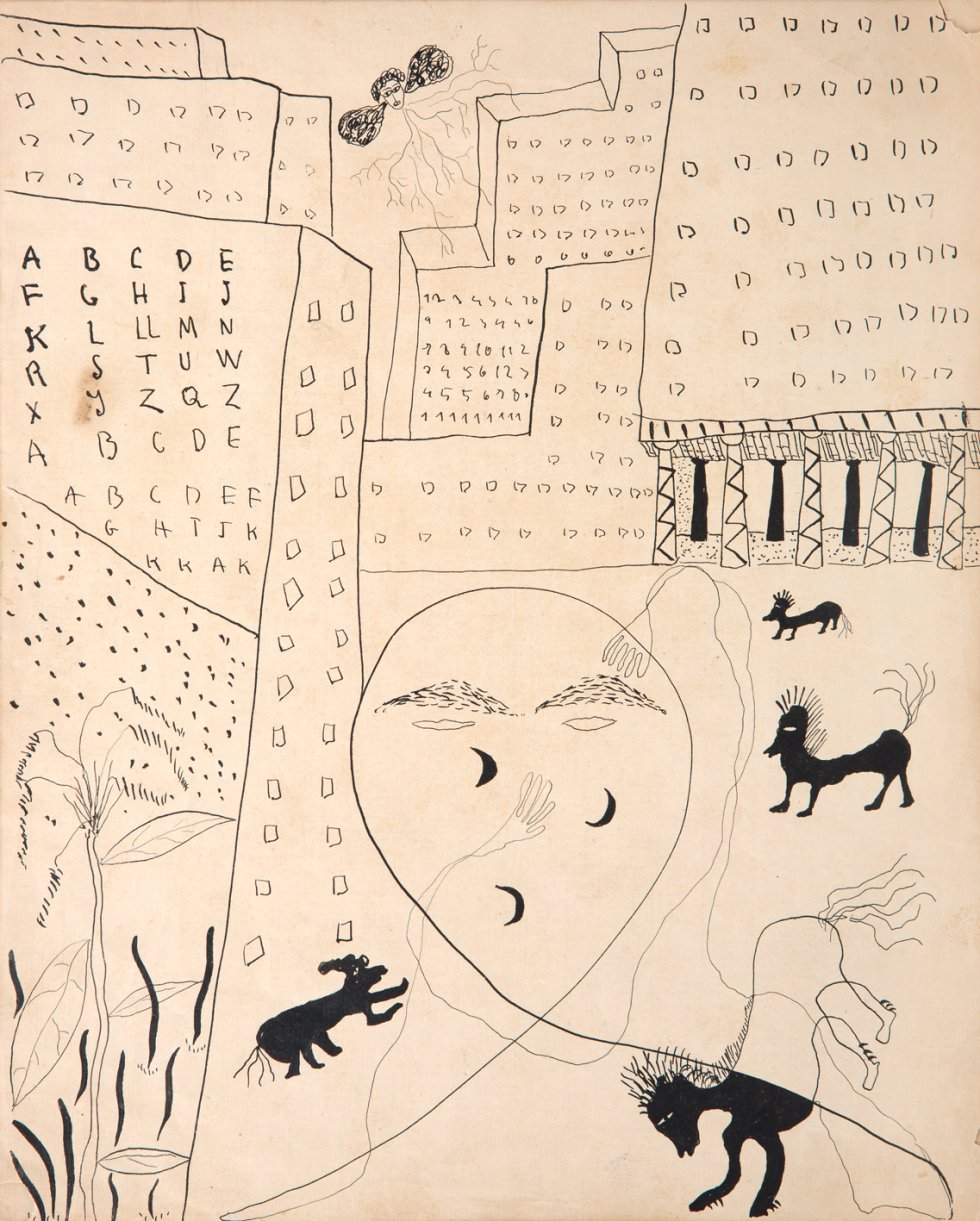
art by Federico Garcia Lorca.

Midwinter mojo

Midwinter thaw. Hints that underneath all the snow, spring awakening could eventually occur; also, a distinct likelihood that once the snow melts, the air will again get frigid because winter’s not over.

Lately, I’m trying to find enough mojo to send out some poems. My thinking is that given current circumstances, having poems in (mostly) online journals offers more possibility that someone, anyone, will read them. Poetry like most arts is communicative, so poets need readers; I treasure my readers, but they are few. I love books, but my books do not sell well. That means the poems don’t reach an audience. This blog doesn’t have a host of regular readers, either, though there are some stalwart followers for whom I am immensely grateful. Then what are a poet’s options? Small-press publication (let’s hear it for those wonderful folks!) and self-publishing can get you the physical book, but for readers you have to do a ton of self-promotion. This is a skill I have never developed and that I do not, at my age, wish to learn. Besides, I am out of the job market now and have no need for a CV full of publication credits.

But I read literary journals. My colleagues in creative writing read literary journals. Some lit journals continue to produce paper issues, bless them, but more of them post poems on various social media platforms, where casual viewers might run across a poem and–who knows?–read it! Therefore, it seems to me that’s what I ought to be doing: getting my work in magazines, large and small, local and international, professional and amateur, one poem at a time as a kind and careful editor decides my poem suits the journal. I think that in 2026, more poems reach people online than in books. Am I wrong about that? I guess I could research that question if I really want to know.

Of course I love books and will never stop reading them, poetry books and other kinds. Of course I would be thrilled to have another book in print if the manuscripts I send out ever were to find homes. However, probably my focus this year will be on the more ephemeral but wider-reaching media forms. I want to remind myself that I write because what I want to say may be valuable to someone other than myself; might strike someone as beautiful, sad, or wise; might make someone think in a different way or learn something new. Poetry has always done that for me, after all.

Now if only I can generate the mojo…

P. S. ~ If you’re interested in purchasing one of my books, Abundance/Diminishment can be found here and The Red Queen Hypothesis is here, and my chapbooks are listed on the My Books page of this blog. See? I did some self-promotion. 🙂

Wish, will, motivation

Lately, I have been turning my mind to thoughts about what we human beings mean by “will” and how closely will coincides with, or basically means, consciousness. I think Kant defined the difference between wish and will by saying that the latter involves action–people wish for peace, but will leads them into war. Maybe I am perpetuating a too-simplified (or simply wrong) concept regarding Kant. I should look it up before posting. Anyway, consider:

Suppose I wish I could win $50 million in the lottery. I may wish to win as much as I like; but while buying three $1 tickets doesn’t increase likelihood of my winning by much, it is nonetheless an action that moves me from wishing to possibility. (Very small statistical possibility, but better than buying no ticket.)

Voting, for example, is an act. An act of will. Though I may wish to have had other choices on the ballot…

~

“What can I know? What should I do? What may I hope?” (Critique of Pure Reason, 1781)

~

I am much more familiar, though not intelligently conversant with, Kant’s writings on art and aesthetics. It does cheer me that he posits poetry as the “greatest” art because it expands the human mind through reflection, stimulates the imagination [not that I am at all biased about poetry, myself].

Much of Kant’s thinking about what is provocative, expressive, and beautiful in art seems logical on the page but does not quite feel true to my experiences of art, however; except that it does feel true that creating art is an act of willing, not wishing, and that art emerges from the will to express.

Is what philosophers call “will” the same as what psychologists call “motivation”?

~

How about this statement, which I hear frequently from students and which I readily admit to having uttered: “I wish I were more motivated.” Is that wishing to have the will, but lacking the will to have the will?

(No wonder learning English is so difficult.)

Perhaps needless to say, these past few days I have been feeling a lack of motivation.

astronomy clouds dark evening

Photo by Tomas Anunziata on Pexels.com


“Star light, star bright
first star I see tonight
wish I may, wish I might…”