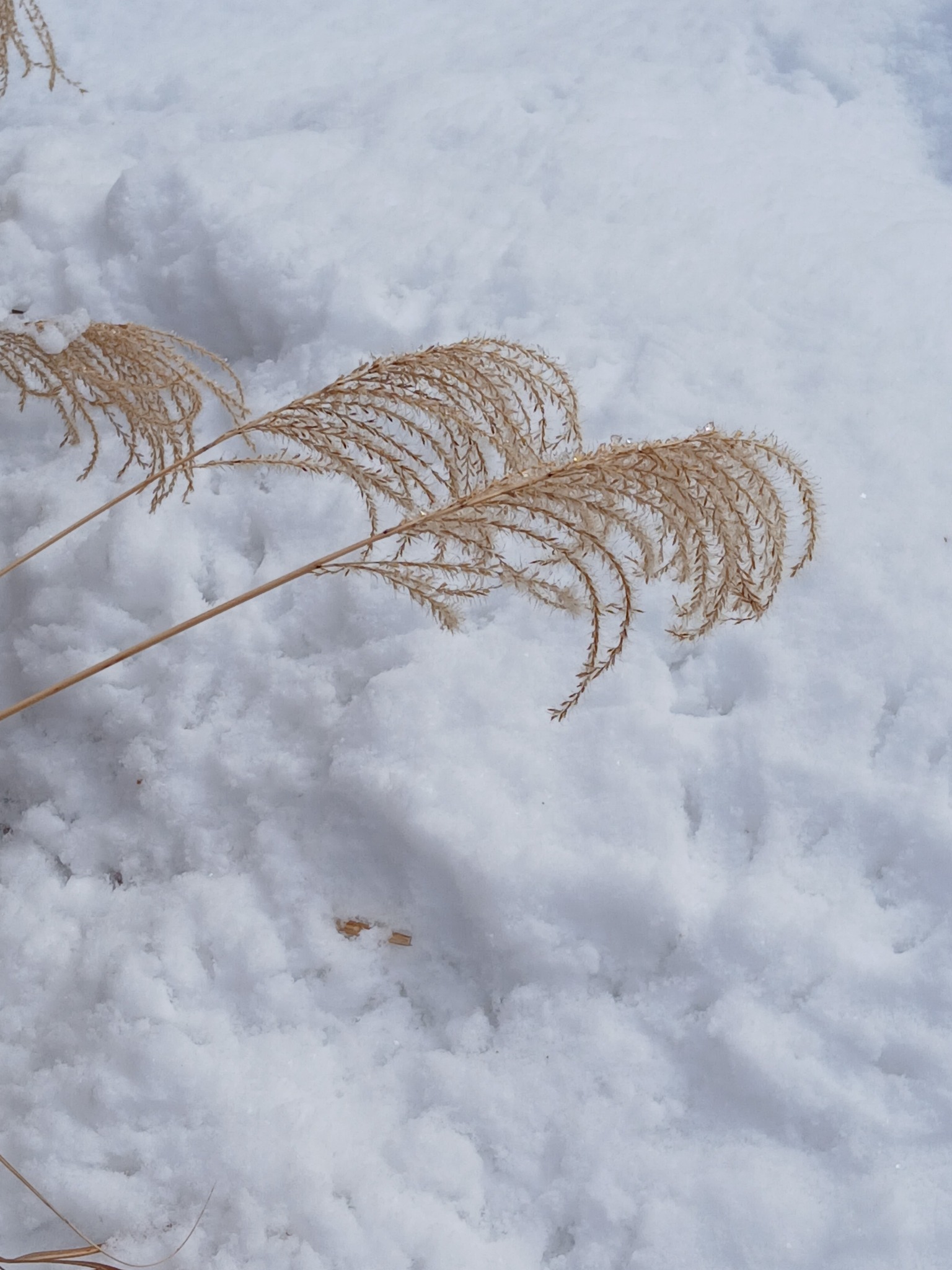
Suddenly the humidity rolls away and the temperatures drop and, with shorter days, the tomatoes stop ripening. Some of them start to rot on the vine; it’s time to start pulling up vines and cutting down sunflower and corn stalks. The meadow continues being gold with solidago, but robins start flocking in the lawn and there are no more fireflies, cicadas, or catbirds. Karina Borowicz’s poem “September Tomatoes” captures the feeling perfectly: “The whiskey stink of rot has settled/in the garden, and a burst of fruit flies rises/when I touch the dying tomato plants.”
I’m happy to note that three (yes! Three!) of my poems, all of them fairly new, appear in Issue #74 of Canary A Literary Journal of the Environmental Crisis. While it’s unsettling that we’ve come to a time when poems about how we’re finding ourselves in environment crisis seem necessary, I’m grateful to Gail Entrekin for editing Canary for many years. And glad to have my poems in its virtual pages. Poet/writer Lynn Levin, whose work I’ve long admired, told me about Canary; I enjoy reading each issue, and the back issues as well. It’s nice that Entrekin keeps the archives of previous issues accessible to readers.

Which brings me to what I’ve been reading lately, because I continue to re-read from my poetry library. This week, it’s Adam Zagajewski. But I should mention that I read poetry online pretty much every day, usually on my laptop because the cell phone is just too small and often screws up line breaks. (We poets spend enough time considering line breaks that tech formatting should never decide lineation for us!) Reading online poetry journals lets me keep up with contemporary poetry and learn about poets I might have otherwise missed–such as Borowicz. I found “September Tomatoes” online when looking up something else.
While I hope there are legions of people who read poems online, I suppose readership of literary journals tends to be niche. I hereby encourage you to Google “online poetry journals” and browse a bit. Look at their archives. Google a new poet whose work you admired. Keep reading!
I love books, but certain aspects of the world wide web enable us to find art, music, writing, dance, and so forth that we might overlook otherwise. I’m reminded of how I used to (still do, actually) enjoy dictionaries and encyclopedias when those were the simplest, most accessible forms of compiled and aggregated information for the layperson. I’d open the tome to look something up, and then find something intriguing or distracting, and read about that, which would get me interested in finding out more about something else…or, I’d look for one bit of information and discover a background far more fascinating or that I was unaware of; yes, the old down-the-rabbit-hole effect has been around since long before we had Wikipedia and its ilk.
And that network of educating ourselves, of defining our terms, trying to satisfy our curiosity, questioning our assumptions–that goes far back into human history. The technology behind the technology is cerebral.