Goals, sort of

Our regional drought continues. I sometimes entertain the idea that the universe is telling me I might as well consider moving to the Southwest–where my children now reside–since the Mid-Atlantic area currently has less rainfall, higher temperatures, and lower humidity than where they are. Granted, this is likely to be a temporary situation; but for the present, I get the chance to walk on crunchy grass and hard soil daily and see how I like it. And to see blue skies for days on end, and see how I like that. What next?

Speculating on “what next” comes rather naturally to me, a reflective sort of human being; but making goals and ambitions toward accomplishment–not so much. Lately, though, the years-ahead thinking has been moved the forefront of my thoughts. It’s all those dang Medicare and Social Security and AARP mailings, in part, and my peers and I heading into the so-called retirement years. Inescapable: the conversations crop up around the dinner party table, while having coffee with a pal, or on a phone call with siblings. People keep asking me what my new goals are. I suppose, having reached the age Social Security (used to) kick in, I was expected to come up with new goals? Must have missed that memo.

Goal: the word is of uncertain origin, says Etymology Online, but appears in the 14th c “with an apparent sense of ‘boundary, limit.’ Perhaps from Old English *gal ‘obstacle, barrier,’ a word implied by gælan ‘to hinder’ and also found in compounds (singal, widgal). That would make it a variant or figurative use of Middle English gale ‘a way, course’…” And there’s the further meaning of a stake that signals the end point of a game. Interesting that goal can be an obstacle, a limitation, an end-point, or a pathway.

If I think of it as a pathway, the question is, what do I want to do? After many years as an educator…do I throw all that experience away and take up something else? My guess is that I’ll find myself imparting information of some kind, one way or another, regardless of employment status. So no major change of course, just a change of scenery, situation, or audience. After all, I will still be writing.

Or are we talking aspirations? What is it I would like to plan for…self care? travel? conferences and retreats? Time to do–what, exactly, and with whom? Here there are perhaps barriers and limitations: can we ever stop worrying about how much will it cost and how much time it will take to achieve the specified goals? And obstacles–you cannot plan for them. Maybe I go blind or get cancer or get hit by a bus. Maybe the apocalypse occurs in my lifetime. That would certainly be the stake that signifies “game over!”

Then again, what if my plans are to get into the woods more, sit under trees more, take more walks, read more books, tend to plants and animals, hang out with my beloveds, write poems? Those things, I want to do in future. But it isn’t as though I am not already doing them now.

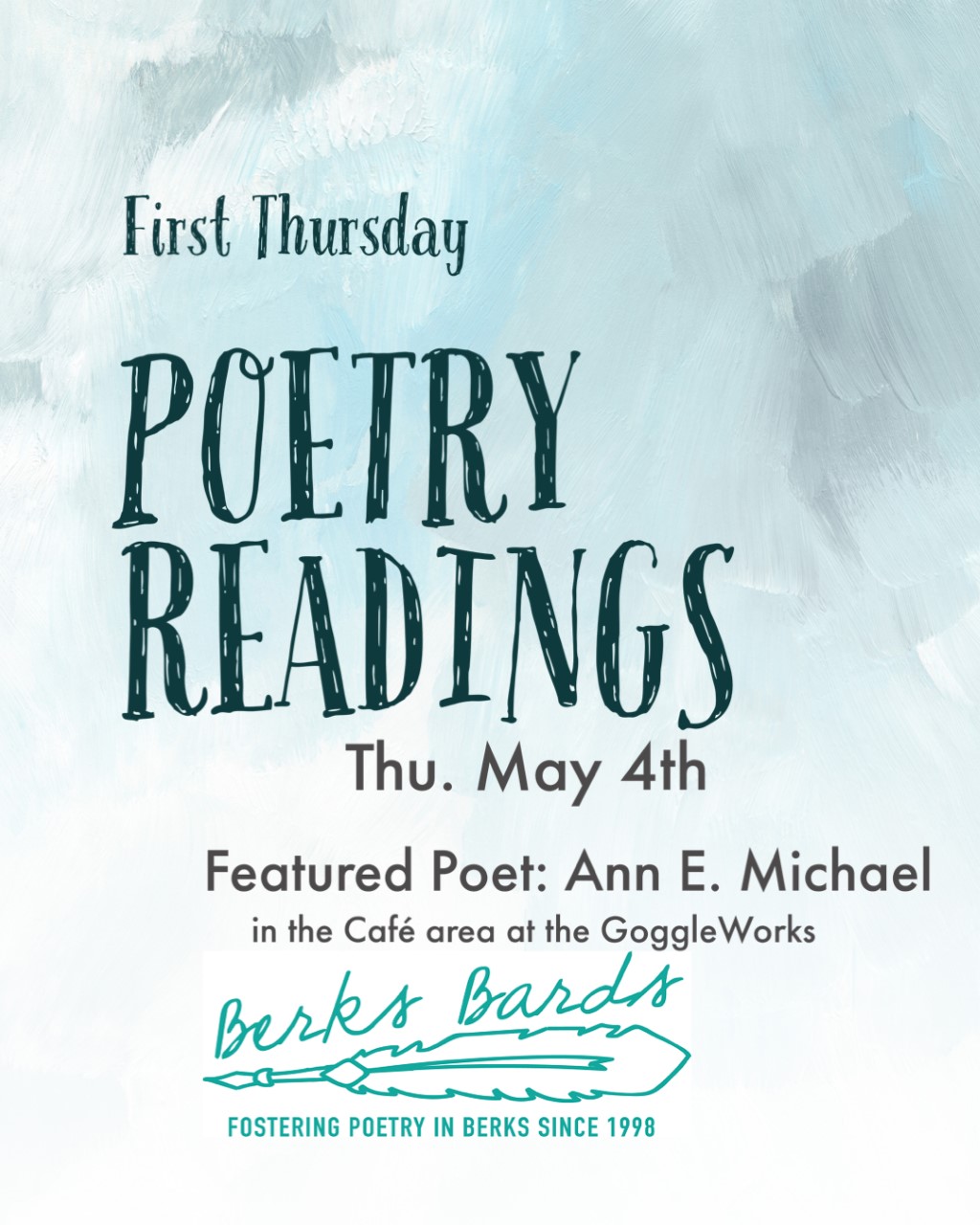
Photo by Michael Heinrich on Pexels.com

Information from poems

I tried to attend a poetry event on Saturday afternoon, but the weather was against me.

The rain came accompanied by lightning strikes, high winds, falling branches, flash-flooded roads, sleet, and a little hail, all in the space of two and a half hours. I left home only to turn around after three miles. The highway was blocked with traffic piled up due to various “storm-related events” (said the weather sites). Actually, I was grateful for the storm, since our region has been unusually dry and even warm for April–my trees, shrubs, meadow, and perennials needed rain. And upon my return, I got back to reading books of poetry. This past week these included collections by Marilyn Chin, Elizabeth Metzger, Grant Clauser, Jennifer Franklin, and Natalie Diaz. Some wonderful work there.

Through these books of poems, I also gleaned lots of interesting information. That’s something many people who claim not to like poetry don’t understand: you can learn about so many things through poetry! Poems contain fascinating facts, intriguing perspectives, tons of social and cultural observations, vocabulary and terms I would not have known about otherwise…poems have been the impetus for me to learn more about astronomy, theology, historical events and people, the geography and topography of the earth and its oceans, the life cycles of insects and plants, how metal shops operate, how to catch fish or tie a fly, what it is like to “live with a disability,” how the process of dying has differed from era to era and place to place, what it is like to reside in a war zone, the traditions of people whose backgrounds differ from my own, and other so-called “non-fictional” information.

Facts, in other words. Poems may inhere in the emotional or intellectual realm in many ways, but they also can–and often do–inform. They contain facts as well as multitudes. If people did not get so hung up on trying to decode a secret meaning behind everything they encounter that appears to be a poem, they might be surprised at how much they could learn from such (usually) brief texts. Yes, it might help to look up a word or a reference or two. That can get a reader started on a whole trail of interesting and valuable knowledge, widening the worldview, changing the perspective.

It may even lead a person to recognize that facts can change depending on point of view. Contemporary science acknowledges this, but most human beings haven’t accepted it yet. Anyway, this points to one reason poetry has often been considered unconventional, subversive, even dangerous or radical: Poems can challenge the status quo of what is accepted, received, unquestioned in society’s knowledge base. Terrifying the authorities by means of information.

Go for it. Read a book of poems.

~

Coming up in May, I’ll be featured once again at GoggleWorks in Reading PA, 6 pm on May 4th…it has been awhile since I was there (2012), and I look forward to it!