It’s been some time since I was away at a residency with other artists and writers. Conferences, yes, but residencies are different–more intimate in scope, less social-life activity, more one-to-one conversations, and a great many overlaps in interests, inspirations, and approaches. The intensity doesn’t feel at all like the intensity of a large conference such as AWP, where I often feel I must cram my schedule with panels, meet-ups, and attendance at presentations and where the exchanges, while often intellectual, generally require the context of careers and situational details. At a residency, we certainly don’t avoid topics like families and day jobs; but such getting-to-know-you chats are secondary to conversations about art, artists, reading, technical methods, responses to environment, discussions about intent and audience, aesthetic and artistic philosophy.


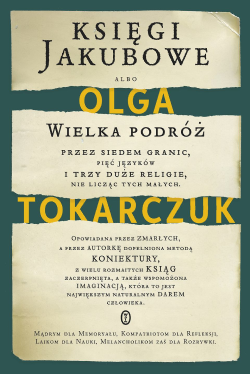
A residency also offers that key component of creativity: unstructured time (or, time one gets to structure to one’s own liking). I cannot stress enough the value of reflection, contemplation, and woolgathering; the residency I attended in Spain offered this to a degree I haven’t had in quite some time, and I relished it. I took along Olga Tokarczuk’s book Flights, perfect reading for a plane-bus-train trip, and Mark Doty’s Deep Lane, contemplative and fearless poems that urged me to spend the necessary time with my thoughts and my environment.
~
It was interesting to hear about the methods and processes of other participants who were there the week I was. While all of them write in some form, their creative work is visual: Photography, film, digital art (animation, 3D, comics), performance/performative art, painting, multimedia. At first, I felt a bit out of step since what I “produce” is…well, abstract, I guess? And the means a person uses to create poems is mostly invisible; it’s not as though you can see us at work. A person at a desk, sitting on a rock, or lying under a tree doesn’t appear to be in the process of making anything and, except when the written work appears in print/online, the “artwork” isn’t something one can show to others. As I began to converse more with the visual artists, however, once again I experienced the joy of discourse with fellow creatives, no matter their discipline. I certainly have friends who are sculptors, painters, photographers, ceramicists, dancers, musicians, actors, & craftspeople of all stripes–and I don’t feel out of step when talking with them. I suppose it is my initial hesitation around “strangers” that kicks in. Shortly into the residency, we were no longer strangers.

The word la joya is Spanish for “jewel,” and it can also refer to a geographic hollow–a bowl-like area, which is fitting since the cortijo is situated in a sort of high valley surrounded by the mountains of the Parque Nacional de Sierra Nevada. On my last day at Joya-AiR, we held an artist talk to inform one another of our creative work and processes, influences, and possible future directions we imagine our work going in. Some of the other participants will be working there for another week or two! Which would be lovely, but I could not extend my stay at this time. Nonetheless, the residency has been very useful and productive for me. I feel so grateful to the people at Joya and to my Best Beloved for encouraging me to attend.


 ann e michael