I keep a day-by-day garden journal, ten years at a time (the one I use is here, from Lee Valley). This record often proves useful and is an interesting way to compare how the seasons unfurl from year to year. After 30 years of record-keeping, for example, I can see that the summers here are hotter and drier than they used to be, and that winters are far less consistent. I note which plants thrive and which fail, and observe when invasive species arrive and when certain plants or animals seem to experience a die-off–or a flourishing. As I used to tell my students in composition and rhetoric classes, basic comparisons are a toe-in-the-water way to begin learning how to do full-fledged analysis. In what ways are things alike? In what ways do they differ?

Let’s look at February, surely my least-favorite month. In 1997, the month was mild, even warm; snowdrops bloomed on the 21st (in 1996, the bloom was the 23rd, in 2000, the 24th). Fast-forward: in 2023, they blossomed on February 13th, in 2024 on February 8th. Similarly for the bloom times of iris reticulata and witchhazel. Last year, however–2025–we had arctic air pushing through due to warming at the poles and other effects. The snowdrops opened late, on February 25th. This year, we’ve had a colder-than-average midwinter. Today, after yet another snowstorm, there’s an additional 5″ of snow cover over existing snow. I doubt I’ll see snowdrops for another week or so. But you never know. Galanthus are resourceful, having originated possibly in the Pyrenees or even Thracia, and they have adapted to many regions quite happily. They can even bloom under a light snow cover.
Comparing seasons from year to year has helped me to plan my garden, but it’s always a bit of a crap shoot. Earth’s varying meteorological systems mean that humans endeavoring to grow crops or plan for weather events will often be surprised. Nature is unpredictable, no matter how many analyses we project. The recent snowstorm here was, if not wildly inaccurately predicted, at least not following the most expected computer models. Which is as it should be. Artificial intelligence and algorithms are far from foolproof.
~~
What will the weather be like on March 7th? I’m planning to attend the book fair day at AWP in Baltimore that day, but always “weather permitting.” Last year in Los Angeles, I liked having the option of just attending one day of the event–sans panels and such, which overload my introvert personality. But Baltimore is a 3-hour drive from here, so weather must permit! The past five years, March 6-8 has been mild and reasonably fair; so says my garden journal, so maybe I will get there. If so, I’ll return bearing poetry collections…
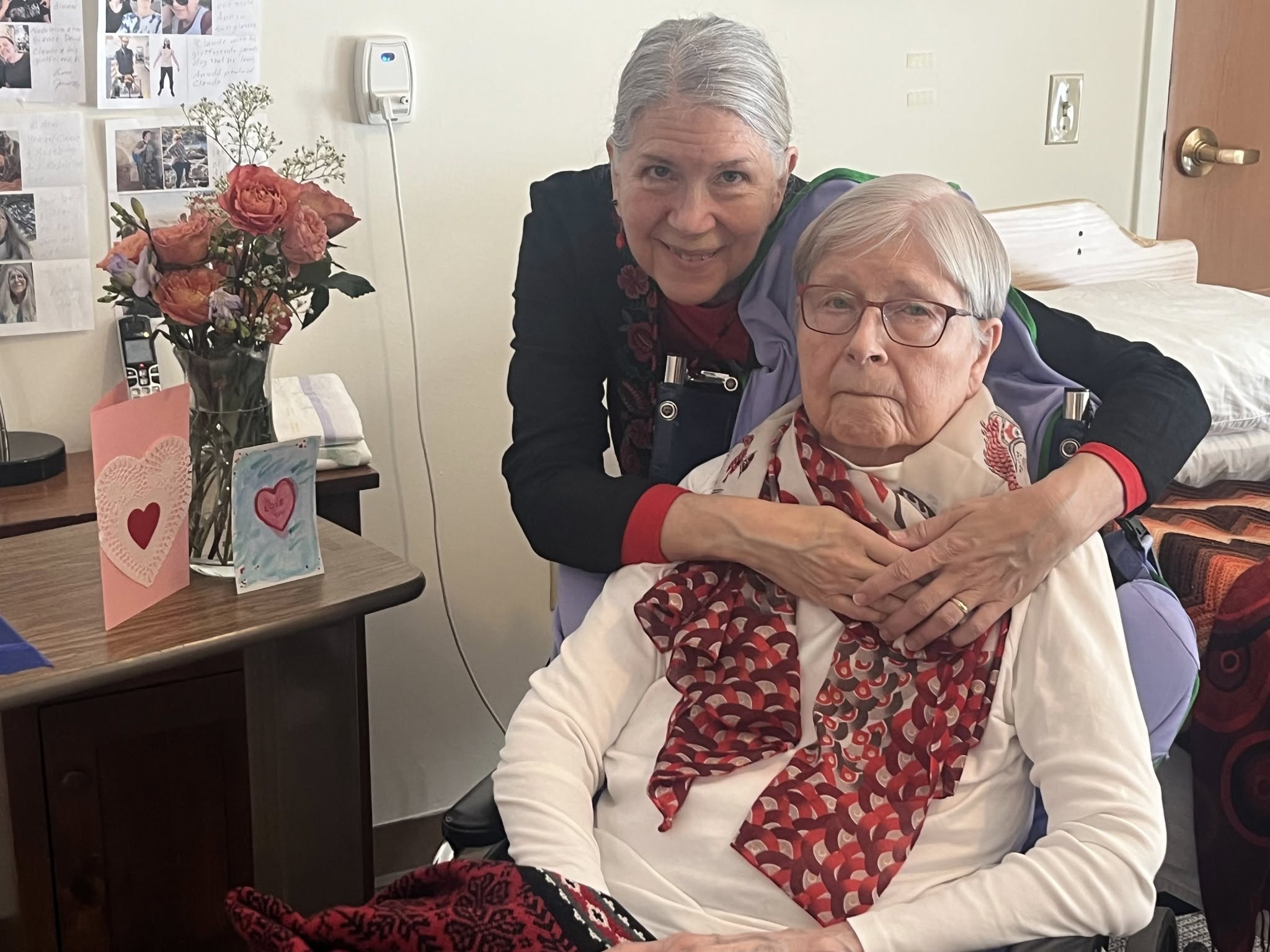
Meantime, my mother will turn 93 this week. I wish celebration were in order, but she seems to be retreating into a zoning world of her own, less familiar to us and less aware of her surroundings. Once again, comparisons: who she was for most of my life and who she is (or is not) now. She’s weathered much in her lifetime. The analysis: I don’t love her any less.




 ann e michael