Information from poems

I tried to attend a poetry event on Saturday afternoon, but the weather was against me.

The rain came accompanied by lightning strikes, high winds, falling branches, flash-flooded roads, sleet, and a little hail, all in the space of two and a half hours. I left home only to turn around after three miles. The highway was blocked with traffic piled up due to various “storm-related events” (said the weather sites). Actually, I was grateful for the storm, since our region has been unusually dry and even warm for April–my trees, shrubs, meadow, and perennials needed rain. And upon my return, I got back to reading books of poetry. This past week these included collections by Marilyn Chin, Elizabeth Metzger, Grant Clauser, Jennifer Franklin, and Natalie Diaz. Some wonderful work there.

Through these books of poems, I also gleaned lots of interesting information. That’s something many people who claim not to like poetry don’t understand: you can learn about so many things through poetry! Poems contain fascinating facts, intriguing perspectives, tons of social and cultural observations, vocabulary and terms I would not have known about otherwise…poems have been the impetus for me to learn more about astronomy, theology, historical events and people, the geography and topography of the earth and its oceans, the life cycles of insects and plants, how metal shops operate, how to catch fish or tie a fly, what it is like to “live with a disability,” how the process of dying has differed from era to era and place to place, what it is like to reside in a war zone, the traditions of people whose backgrounds differ from my own, and other so-called “non-fictional” information.

Facts, in other words. Poems may inhere in the emotional or intellectual realm in many ways, but they also can–and often do–inform. They contain facts as well as multitudes. If people did not get so hung up on trying to decode a secret meaning behind everything they encounter that appears to be a poem, they might be surprised at how much they could learn from such (usually) brief texts. Yes, it might help to look up a word or a reference or two. That can get a reader started on a whole trail of interesting and valuable knowledge, widening the worldview, changing the perspective.

It may even lead a person to recognize that facts can change depending on point of view. Contemporary science acknowledges this, but most human beings haven’t accepted it yet. Anyway, this points to one reason poetry has often been considered unconventional, subversive, even dangerous or radical: Poems can challenge the status quo of what is accepted, received, unquestioned in society’s knowledge base. Terrifying the authorities by means of information.

Go for it. Read a book of poems.

~

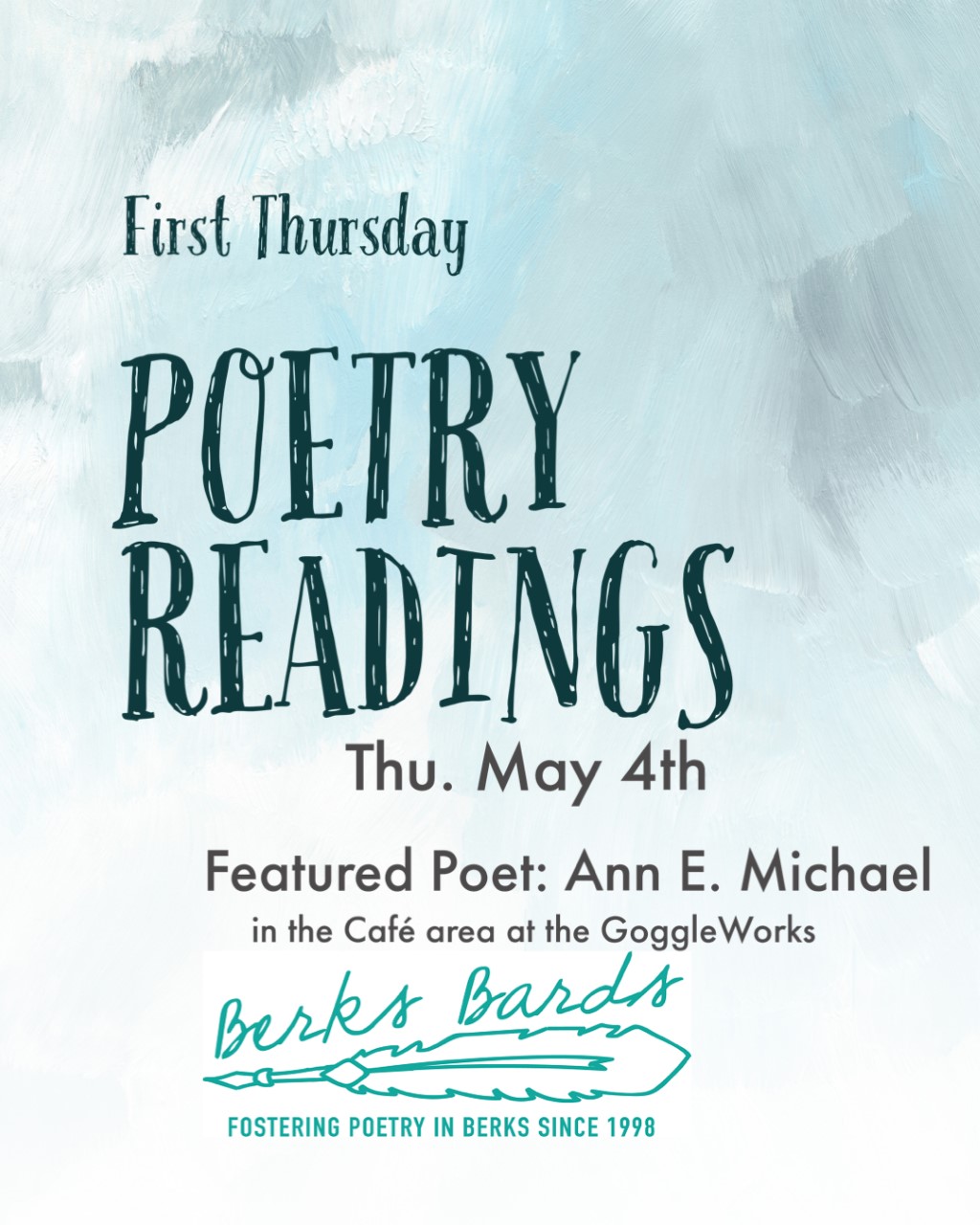
Coming up in May, I’ll be featured once again at GoggleWorks in Reading PA, 6 pm on May 4th…it has been awhile since I was there (2012), and I look forward to it!
Storms

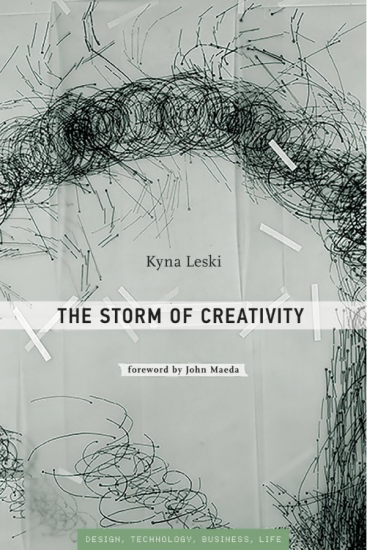
This week, I’m reflecting on Kyna Leski‘s marvelous little book The Storm of Creativity. How to describe this text? It’s written by someone who teaches architecture as well as designs spaces, and who reads across disciplines and thinks both deeply and widely. It is not a how-to book; more of a how-it-works book. I learned of this book through Deborah Barlow (in 2015!) and finally have gotten around to reading it.

storm-of-creativity-cover-367x550

Leski uses the analogy of a storm system, from moisture in the ground or bodies of water through the gathering of the storm organizing itself into, say, a hurricane, and takes the process all the way through to dissipation (a kind of “death”) and restarting the cycle, when what we have is new again–and will not be exactly the same next time.

Rob Harle, reviewing the book, says:

“Leski’s approach is far better and much more practical than those found in books that delve deeply into neurophysiology, neuro-transmitters in the brain and so on when trying to understand what happens when creative people work. The neurological approach may be useful as far as it goes, and for specialized reasons. However, knowing that a certain neurotransmitter fires up a certain part of the brain doesn’t help us understand, or more importantly, deal with, for example, writer’s block. Leski’s storm metaphor and analysis does!”

Her vimeo video offers an animated visual of the storm process.

Here’s the thing: she captures the process as I myself experience it. I keep re-reading sections of this book and nodding in recognition. I am not the sort of person who spends much time analyzing creativity; I prefer to read how other people analyze the process and decide whether their reflections or analyses dovetail with my own. In this case, yes. For me, anyway, the creative process organizes like a storm.

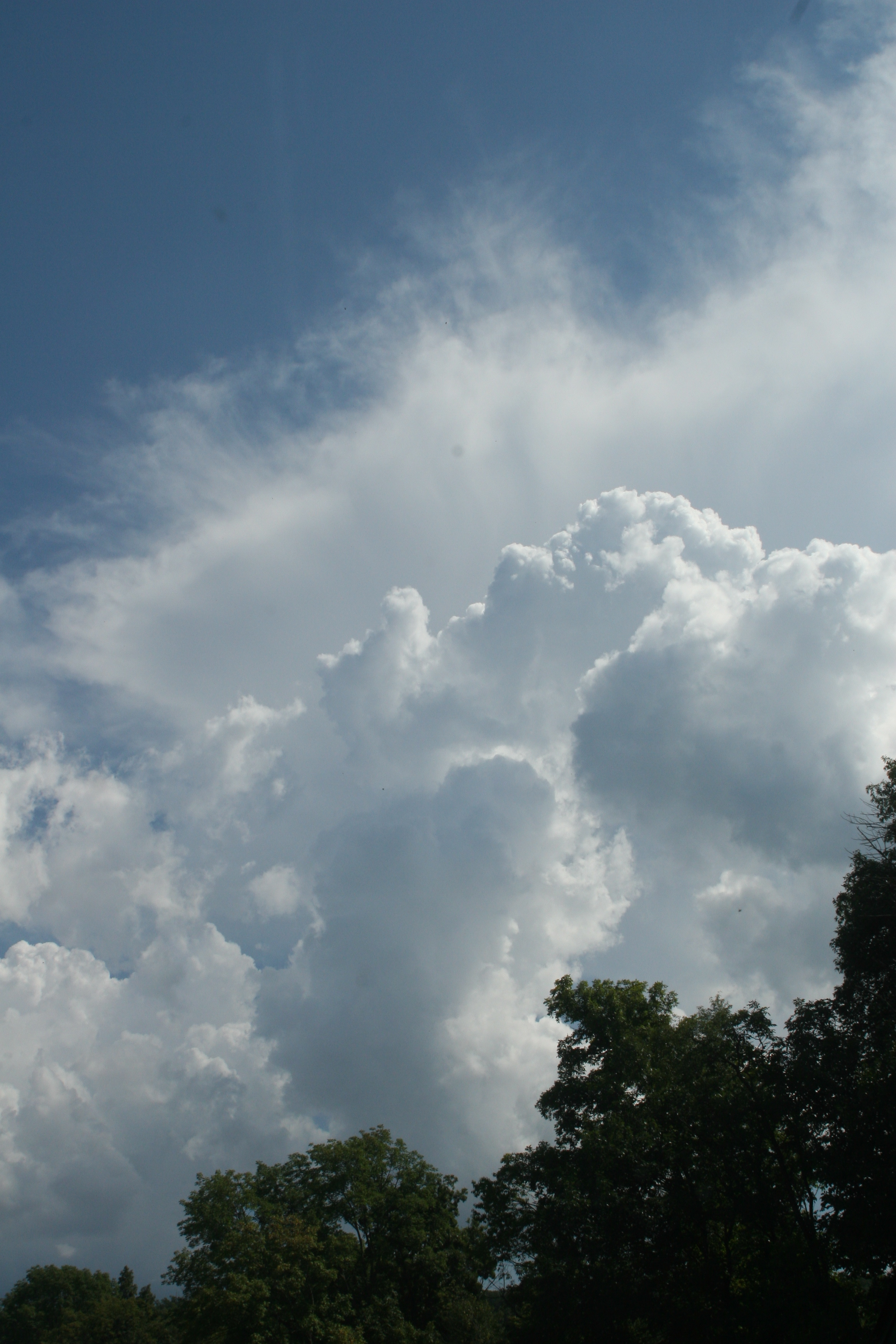
The gathering part of the work coincides with that aspect of writing that I call observing. Gathering is a good word for it (Leski uses denotations and etymology as she defines her process, so that appeals to me, too). There’s a phrase my relatives used referring to someone daydreaming or loafing reflectively: “woolgathering.” Despite this interesting inquiry into the appropriateness of the phrase to mean loafing or daydreaming, in our family it meant daydreaming. I used to think the phrase referred to watching clouds–one of my favorite activities as a child–because clouds often look like wool. At any rate, woolgathering’s essential to my writing practice.

And sometimes, those clouds collect together, and create a storm.

IMG_5605


Half-way through

Night-storm

Then, the flood: flash. Side of road overwashed
as we are washed over. Swept. Wind is the broom
and we the debris. Unnecessary as dust or crumbs.
What name can we give to this occurrence? Call it
natural. Disaster. Or just a Thing That Happens.
Not that the name means much to us once we drown
in it, sucked under and curled into water’s embrace
whether sea or river or the lake become enraged
by thunderous sky or thunderous quaking crusts
the planet [they say] possesses. Loose scutes or
scales. Loose bark, like a tree. Pieces of slate
shorn sideways. Shear. Water. A species of bird,
Calonectris, that touches earth only to breed.
They skim sea. We cannot. We tumble under, breath
withheld until we can no longer wait and inhale
water. Absent our past gills, we inundate our lungs.
The crash of a body blasted from surf to shore.
Gasping. Thus I waken, shaken with sobs, damp to
the core, bruised, stiff, coated in mud and sand.
I wonder. All that inside me. As though I could know.
Sense the absence after the dwindling and oblivion.
Or is it creativity–imagining swell and loss?
Which may be nothing. Nothing like this dream.
~

Today marks the halfway point in my challenge to myself to write a poem a day for National Poetry Month. Is it getting easier yet? (No.)

Lost trees

Image

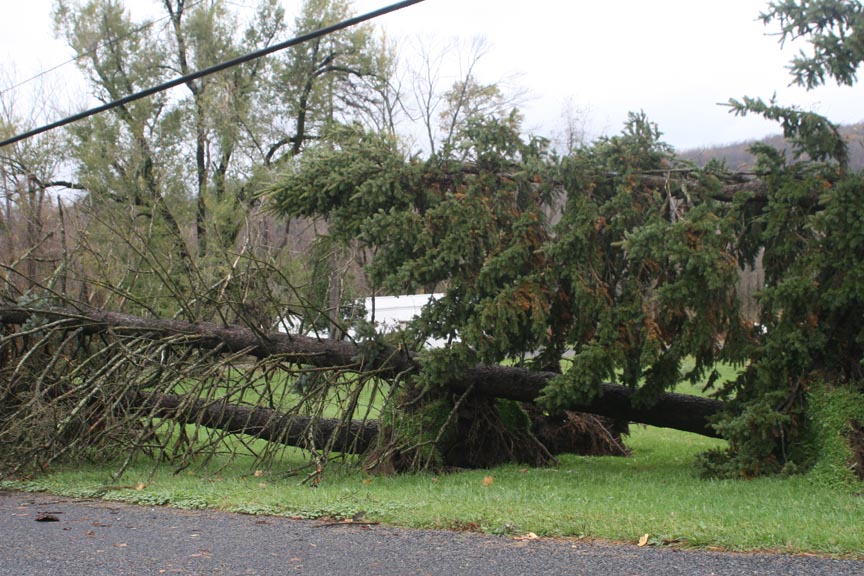
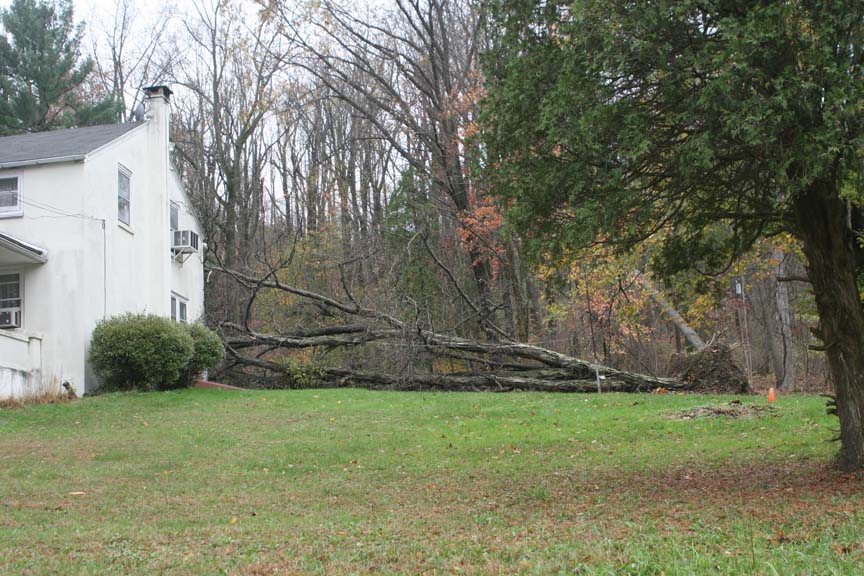
Herewith, some photos of neighboring tree damage. There is an environmental aspect to huge devastating storms…some of my neighbors’ houses have been standing for over 150 years. Some of the trees are 50-90 years old.

Image

Not old by, say, Asian or European standards. But pretty mature and historic for the USA.

Image

New Jersey and Staten and Long Islands were hit much worse, as they also got sea-water surges and flooding. Here, we mostly had tree-down damages. Wires snapped, pulling out transformers and knocking down utility poles and wires.

It was a different type of storm from the ones we experienced last year at around this time (see my post from 2011).

Things are gradually returning to normal. I wish to thank, whole-heartedly, the men (and a few women) who work on the utility and tree crews and who came from all over the USA to help out. Convoys of utility trucks have been greeted with joy by all of us in the mid-Atlantic states. May we never have to return the favor–may you and your loved ones remain safe, sound, and connected! But if you do need help at any time, I hope we can return the favor.