Process & metaphor

redbud
photo: Ann E. Michael

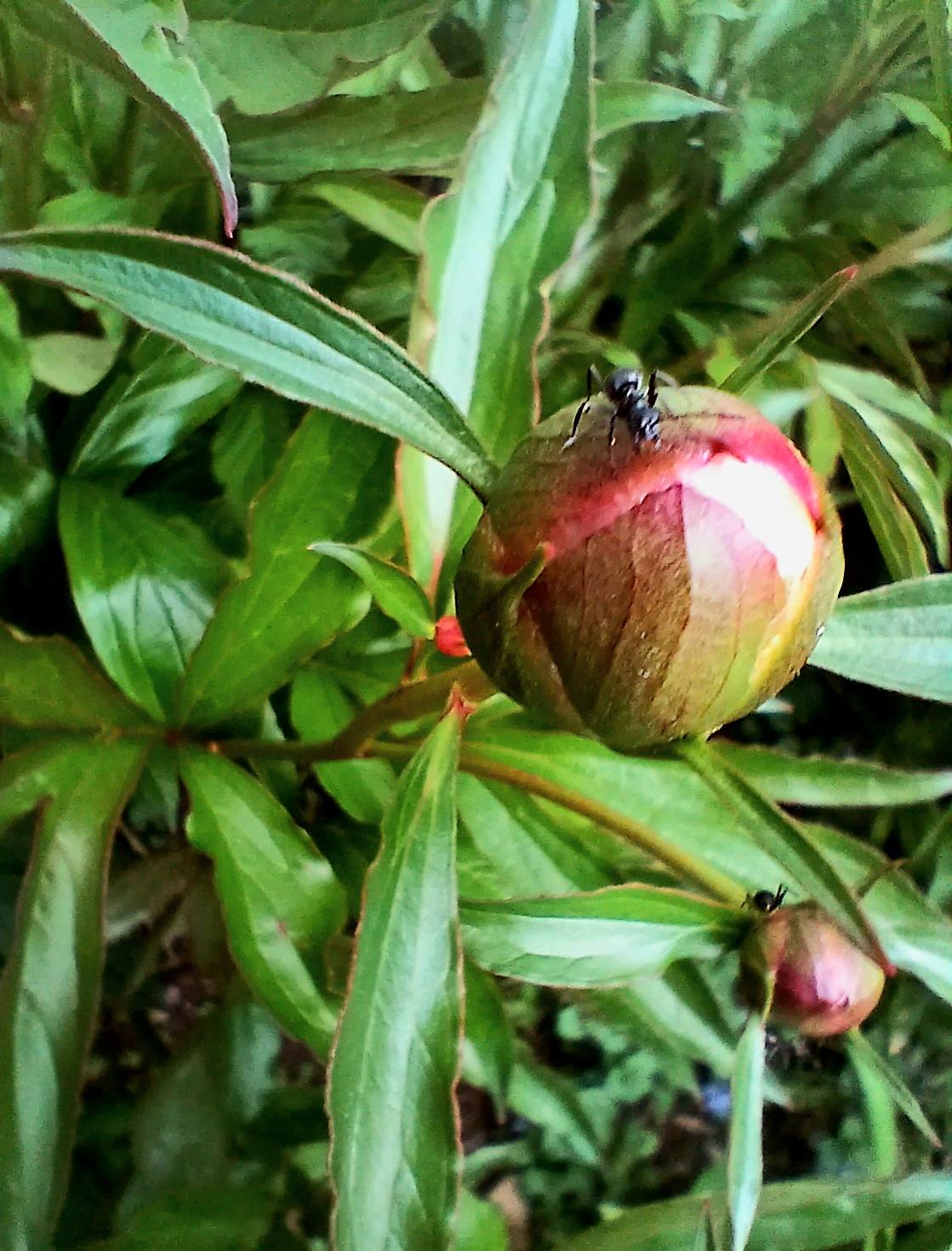
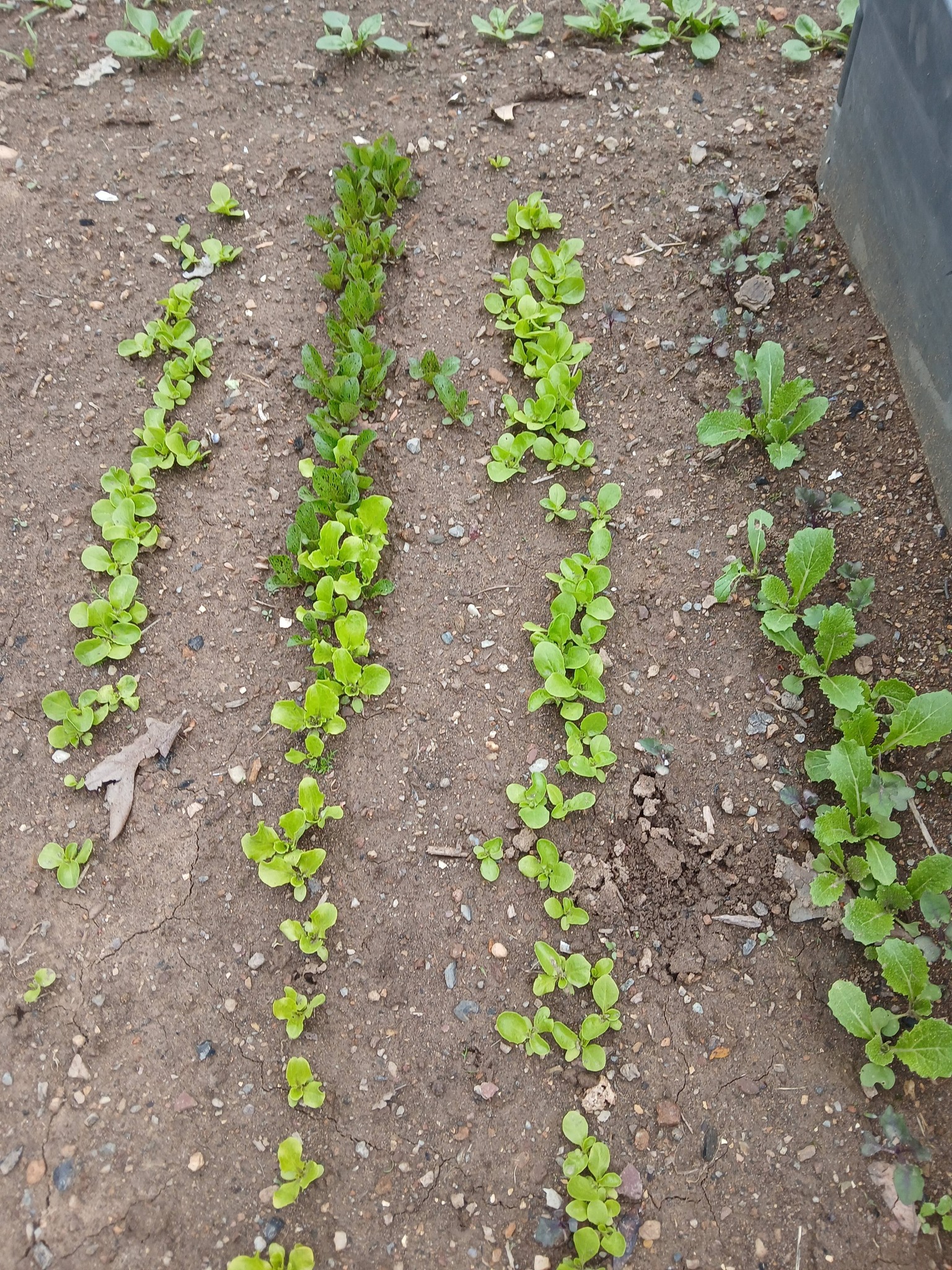
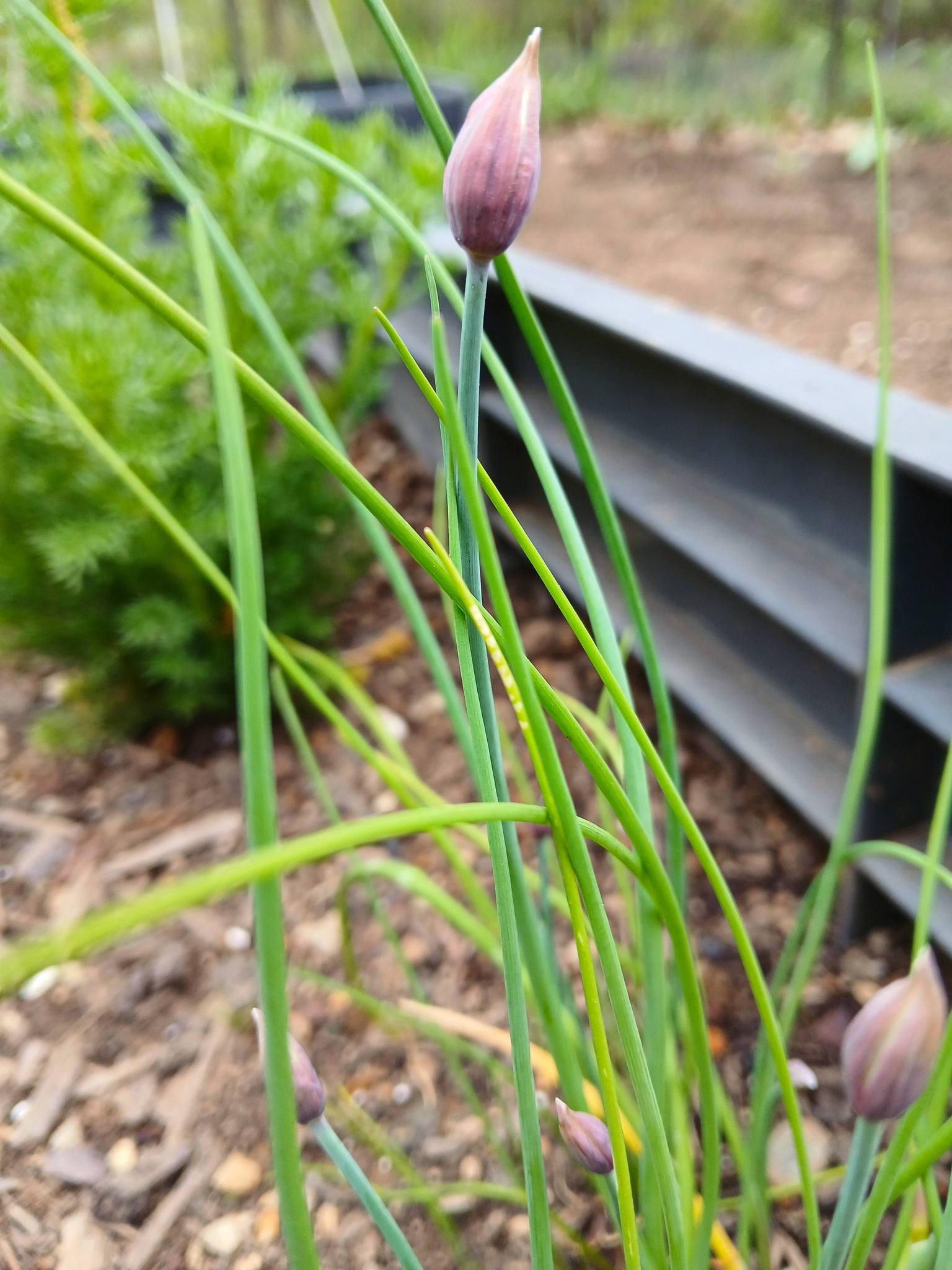
Springtime! Bees, ants, gnats, and a few butterflies have appeared. In the veg garden, the greens are thriving. I’ve sown the ornamental corn, noted the appearance of volunteer sunflowers, amaranth, and chamomile, and moved or weeded out those seedlings coming up where I don’t wish them to be–like in the middle of my soon-to-be tomato patch. The zinnia seeds have germinated in their little square, along with lettuce and spinach in their designated rows. The swallows returned today, right on schedule. Late April, and the garden looks pristine and tidy, even relatively weed-free for now: sectioned into rows, with a couple of raised beds and some stakes ready for climbers like cucumbers and pole beans. All prepped for the mid-spring explosion. The very small part of myself that likes things neatly in place promises to keep the garden less messy this year while knowing that won’t happen. The wiser self cautions that too many rigorous expectations take some of the joy out of the work.

~

Frankly, it’s all too easy to find metaphors for life in the garden. Nurturing seeds with a sense of hope, even expectation, sure. Endeavoring to control outcomes though one cannot control the weather? Yep, that too. Culling, thinning, weeding in an effort to produce abundance, clarity, or beauty? Yes; and waiting and working under hot sun or in the pouring rain and being surprised by hail or hurricane or drought. (You can pop any of those words into the “search” bar on this blog page and find times I have written about said weather events.) In the thousands of poems I’ve drafted during the past 45 years, garden topics and metaphors abound. Lately, though, I’ve been dwelling on how change–inevitable in the garden–presents problems to solve but also lovely surprises. And yeah, there’s metaphor in that as well. Though people tend to avoid change, change brings a wealth of education in its wake.
It’s true that education is often humbling. We work our butts off only to discover we’ve been doing things wrong, or ineffectively, all along. That’s one of the things I learned when I began trying to grow things in earnest, and it is also true of my experience writing poems. You have to be willing to make mistakes and accept that you made them if you are going to improve; it doesn’t mean you have to solve each difficulty in a prescribed way. You can invent! As long as you know that invention sometimes fails, you can learn from it. Create a nonce form for a poem, for example. Or an improvised trellis for a squash vine that got a lot larger than you’d planned.

Every year in late winter, I devise a garden plan and order seeds. Every year in early spring, I revise the plan in some way. Every year in mid- to late-spring, the garden looks very different from those designs…it helps to have a flexible nature, since nature hates rigidity and thrives in its own way. Often unexpected. Sometimes frustrating. Sometimes quite a charming surprise to which I’m more than happy to adapt–I welcome the variation! It’s a process that reminds me of writing. No wonder my gardening and my poems are so connected: the processes are so similar.
Hail and Heidegger

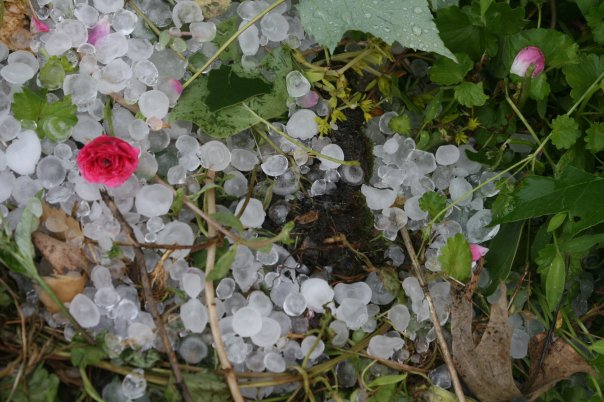
hail and roses

Another freakish, brief summer storm swept through–this time bringing wind, fog, downpours, and hail. Not a gardener’s favorite weather system under any circumstances. Some years ago, a June 9 hailstorm literally decimated (reduced by 10%…though I think it was more like 25%) my gardens and produced the mammatus cloudforms that show up on my “About” page. Yesterday’s hailstorm was–thankfully–not as damaging. Most of the plants will recover fairly rapidly, I think.

~

Meanwhile, I’m trying to educate myself a bit more on the history of phenomenology as it relates to poetry, art, and poetics by reading a bit of Martin Heidegger. This is a backwards chronology, but I’m not feeling ready to take up Husserl yet. Heidegger’s also problematic because of his early embrace of the Nazi party (he resigned early, too, in 1938, but never made a full repudiation). I understand that great thinkers can nonetheless be very flawed human beings. Michael Wheeler’s thorough essay in the Stanford Encyclopedia of Philosophy touches on some of the contradictions and covers Heidegger’s major work. But I am reading Hofstadter’s translation of “Poetry, Language, Thought” and six other shorter essays, such as “What Are Poets For?” and “The Origin of a Work of Art.” Actually, it is hard to consider the first text as an essay. It’s more like a poem in aphorisms. An excerpt:

~

When through a rent in the rain-clouded
sky a ray of sun suddenly glides
over the gloom of the meadows .  .  .  .

We never come to thoughts. They come
to us.

That is the proper hour of discourse.

Discourse cheers us to companionable
reflection. Such reflection neither
parades polemical opinions nor does it
tolerate complaisant agreement. The sail
of thinking keeps trimmed hard to the
wind of the matter.

From such companionship a few perhaps
may rise to be journeymen in the
craft of thinking. So that one of them,
unforeseen, may become a master.

~

Almost Confucian, no?

~

Later in his life, Heidegger moved on from his earlier philosophizing on the ontology of being (he pointed out the need to define “exist” as a premise in any such inquiry) and began to suggest that art exists within the materials/tools of the artist as well as within the artist’s being and abilities, all in a perhaps simultaneous collection of conditions. Wheeler says, “poiesis is to be understood as a process of gathering together and fashioning natural materials in such a way that the human project in which they figure is in a deep harmony with, indeed reveals—or as Heidegger sometimes says when discussing poiesis, brings forth—the essence of those materials and any natural environment in which they are set.”

Heidegger writes, for example, that “a true cabinetmaker…makes himself answer and respond above all to the different kinds of wood and to the shapes slumbering within wood—to wood as it enters into man’s dwelling with all the hidden riches of its essence. In fact, this relatedness to wood is what maintains the whole craft. Without that relatedness, the craft will never be anything but empty busywork…” Wheeler calls this manifestation of the art within the materials (which the artist must understand in order to use her talents and tools to bring forth) a “process of revealing.” Kin, I suppose, to the words often attributed to Michelangelo: I saw the angel in the marble and carved until I set him free.

~

Art, gardens, weather, poetry, the craft of thinking…all processes of revealing and transformation. “We never come to thoughts. They come to us.”ann e. michael hail foot