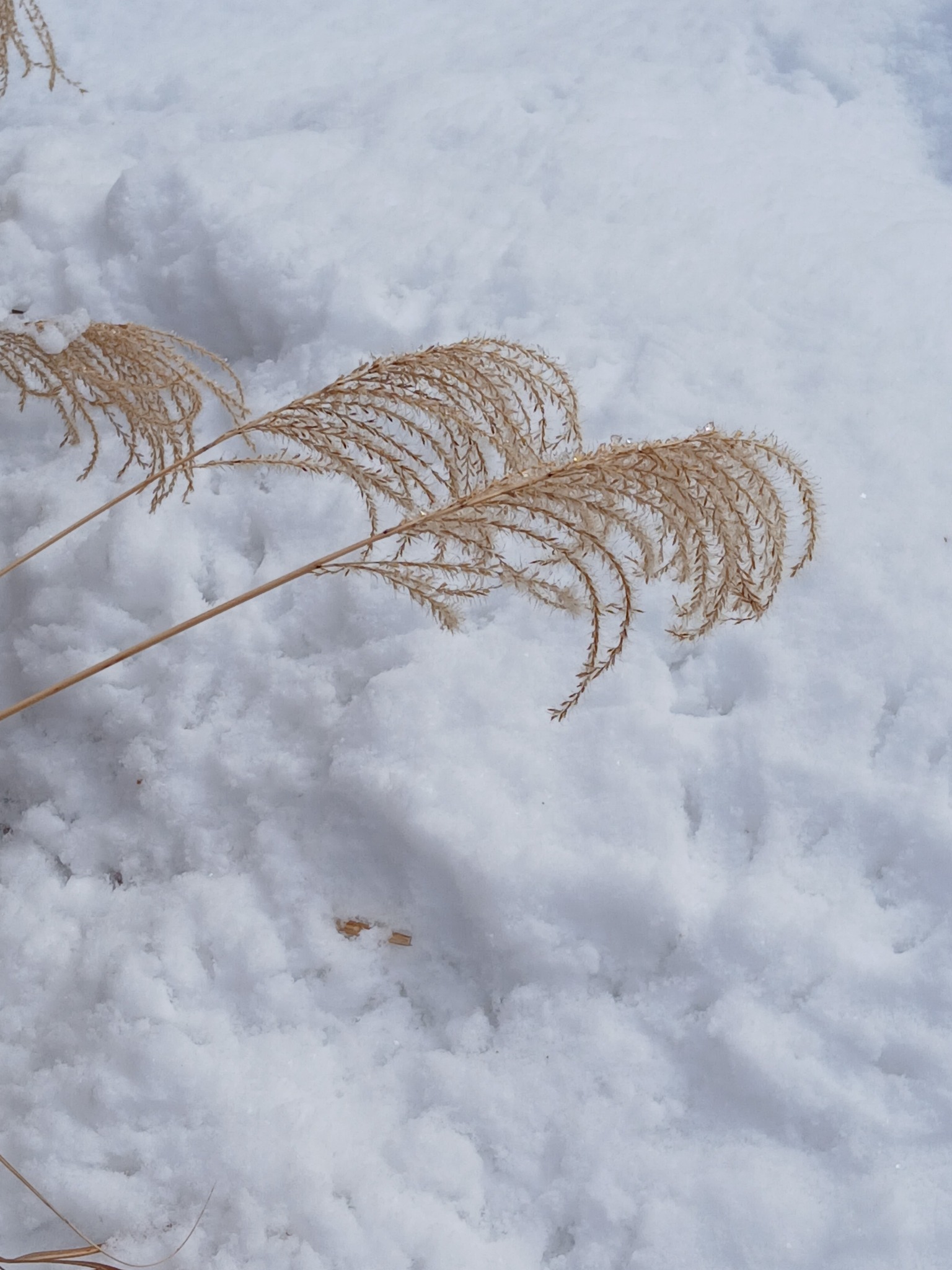
Midwinter thaw. Hints that underneath all the snow, spring awakening could eventually occur; also, a distinct likelihood that once the snow melts, the air will again get frigid because winter’s not over.
Lately, I’m trying to find enough mojo to send out some poems. My thinking is that given current circumstances, having poems in (mostly) online journals offers more possibility that someone, anyone, will read them. Poetry like most arts is communicative, so poets need readers; I treasure my readers, but they are few. I love books, but my books do not sell well. That means the poems don’t reach an audience. This blog doesn’t have a host of regular readers, either, though there are some stalwart followers for whom I am immensely grateful. Then what are a poet’s options? Small-press publication (let’s hear it for those wonderful folks!) and self-publishing can get you the physical book, but for readers you have to do a ton of self-promotion. This is a skill I have never developed and that I do not, at my age, wish to learn. Besides, I am out of the job market now and have no need for a CV full of publication credits.
But I read literary journals. My colleagues in creative writing read literary journals. Some lit journals continue to produce paper issues, bless them, but more of them post poems on various social media platforms, where casual viewers might run across a poem and–who knows?–read it! Therefore, it seems to me that’s what I ought to be doing: getting my work in magazines, large and small, local and international, professional and amateur, one poem at a time as a kind and careful editor decides my poem suits the journal. I think that in 2026, more poems reach people online than in books. Am I wrong about that? I guess I could research that question if I really want to know.
Of course I love books and will never stop reading them, poetry books and other kinds. Of course I would be thrilled to have another book in print if the manuscripts I send out ever were to find homes. However, probably my focus this year will be on the more ephemeral but wider-reaching media forms. I want to remind myself that I write because what I want to say may be valuable to someone other than myself; might strike someone as beautiful, sad, or wise; might make someone think in a different way or learn something new. Poetry has always done that for me, after all.
Now if only I can generate the mojo…
P. S. ~ If you’re interested in purchasing one of my books, Abundance/Diminishment can be found here and The Red Queen Hypothesis is here, and my chapbooks are listed on the My Books page of this blog. See? I did some self-promotion. 🙂

 ann e michael