This TV interview was interesting to participate in, and I loved chatting with Marilyn Klimcho! She put me at ease, which is hard to do in front of cameras. I have watched the whole 20 minutes without hating myself or feeling too embarrassed. (Hooray?)
Is the show entertaining? Well…you have to be interested in poetry and poets, I suppose. Feel free to check it out. The link above should take you to the YouTube video.
~
National Poetry Month does, it turns out, raise the public’s awareness of poetry at least a little. Recently, I was invited to be a guest at a weekly online discussion of poetry and spirituality. The participants had been reading and discussing my poem “Deity’s Diary” and asked me whether I’d be available to read the poem and then discuss it with the group members at one of their meetings. They even sent me recordings of previous meetings’ discussions. I find it fascinating to learn how readers interpret my poems, what they get out of the work; so of course I obliged.
The group members asked intriguing, intelligent questions–clearly, they are accustomed to talking about poetry. That was refreshing, and it kept me on my toes. I learned that my poem (which is in four parts, so maybe it is poems) is doing the work I hoped it would do, at least with this group of careful and reflective readers. “Deity’s Diary” is intentionally paradoxical and questions many of western culture’s received ideas about god. It’s also pretty presumptuous, since I chose to write it in the persona of a deity…but, like all poems, it is decidedly a work of the imagination. (No, I do not consider myself a god!)
The discussion ranged from philosophical, scientific, and theological concerns to the nuts and bolts of writing and revising a poem, where I get my ideas, what the major influences on my work have been, and lots of other topics. Seldom do we lesser-known writers get to hear back from readers, especially in such detail–so this event felt like a real treat to me.
One participant said that reading these poems was like walking through an unfamiliar forest, not on a straight path, with possibilities of obstacles and turns in the track and the surprise of wildflowers, mosses, or lovely birds along the way.
That made my day.
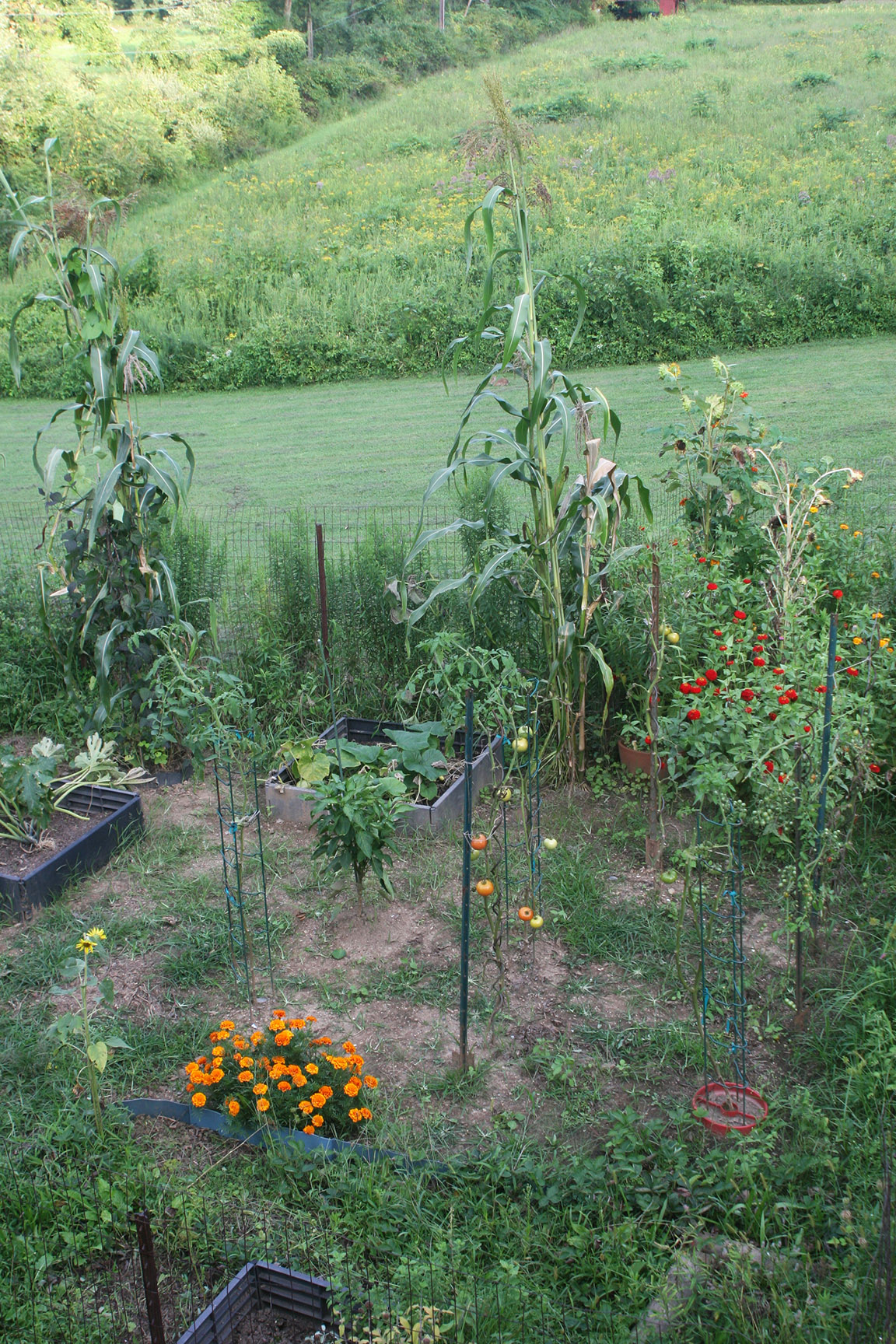 Too much rain during ripening time led to cracked tomato skins and viruses in the vines. The zucchini did well for a time, then succumbed to powdery mildew. The beans didn’t mind the weather, but I had a plague of voles whose small depredations worked some cumulative damage–they nibbled a number of plants at the stem base, which meant a slightly less abundant yield, of course. Cucumbers offered lots of fruit initially, then downy mildew set in. I harvested one of the two cabbages with only minor slug damage, and the fat variety of carrots grew well (with no sign of whiteflies); but there were lots of bugs on the kale this summer and, given the intense heat, I had a short lettuce season.

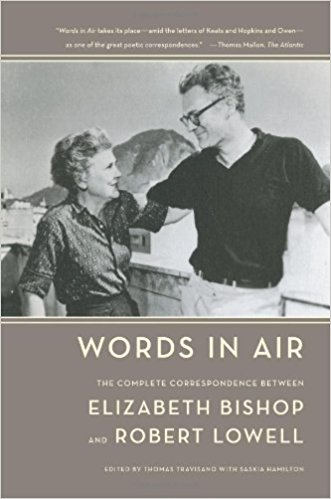 r from necessary when one encounters a really terrific poem. There are reasons to learn the backstory of a poem, if such a thing exists for that particular poem (not all poems have one). Anyway, it may be worth asking the poet about it, if she is still living and can answer or if the answer may be deduced from archival materials. We have learned the backstories of a few Elizabeth Bishop poems, just taking one well-known poet as an example (see
 ann e michael