In the first weeks of this year, I participated in a virtual poetry workshop with Anita Skeen. It was so useful to me that I signed up for another workshop, this one on writing the prose poem, with mixed-media artist and poet Lorette Luzajic. She is the editor of an online prose-poetry lit journal, The Mackinaw.
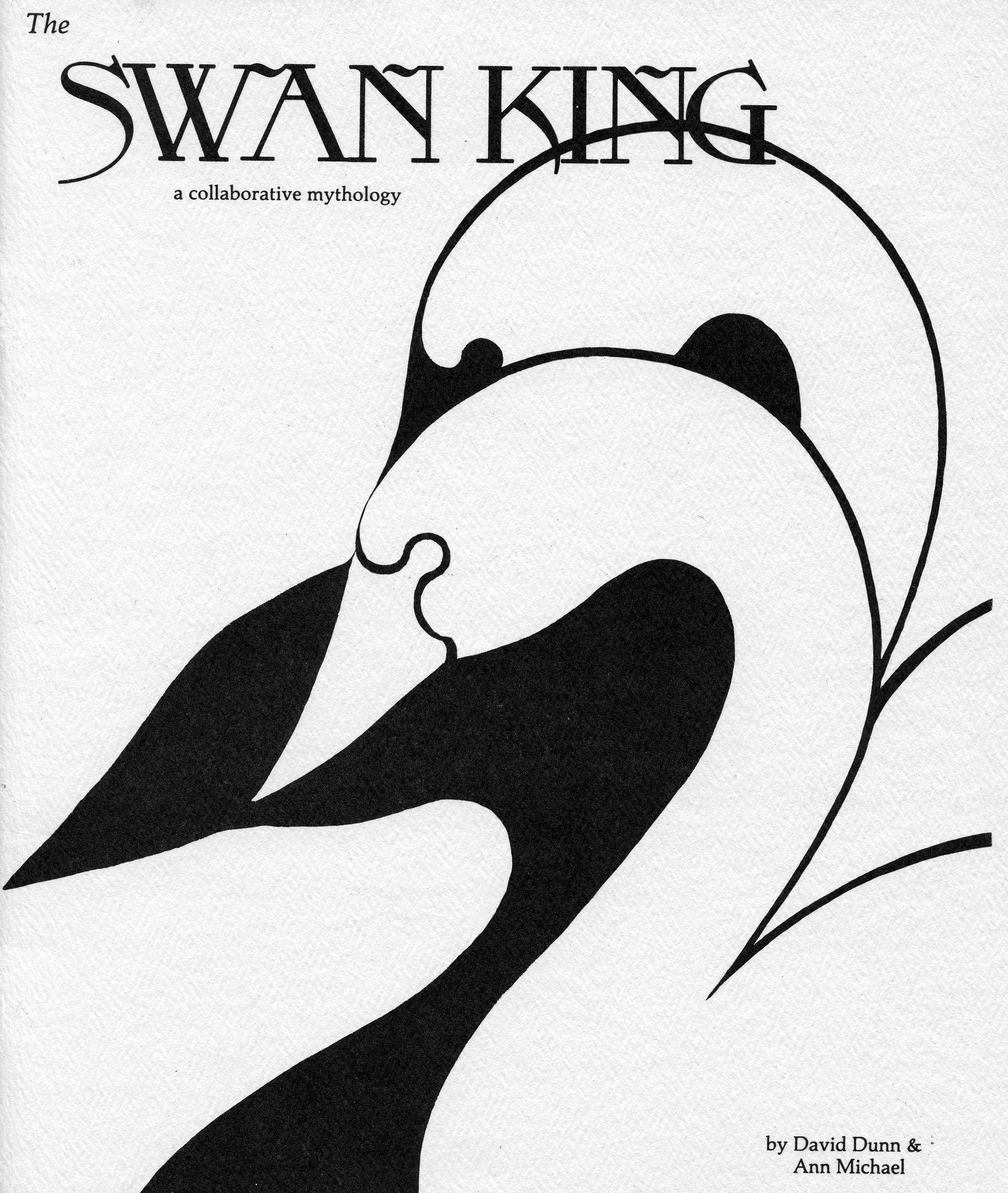
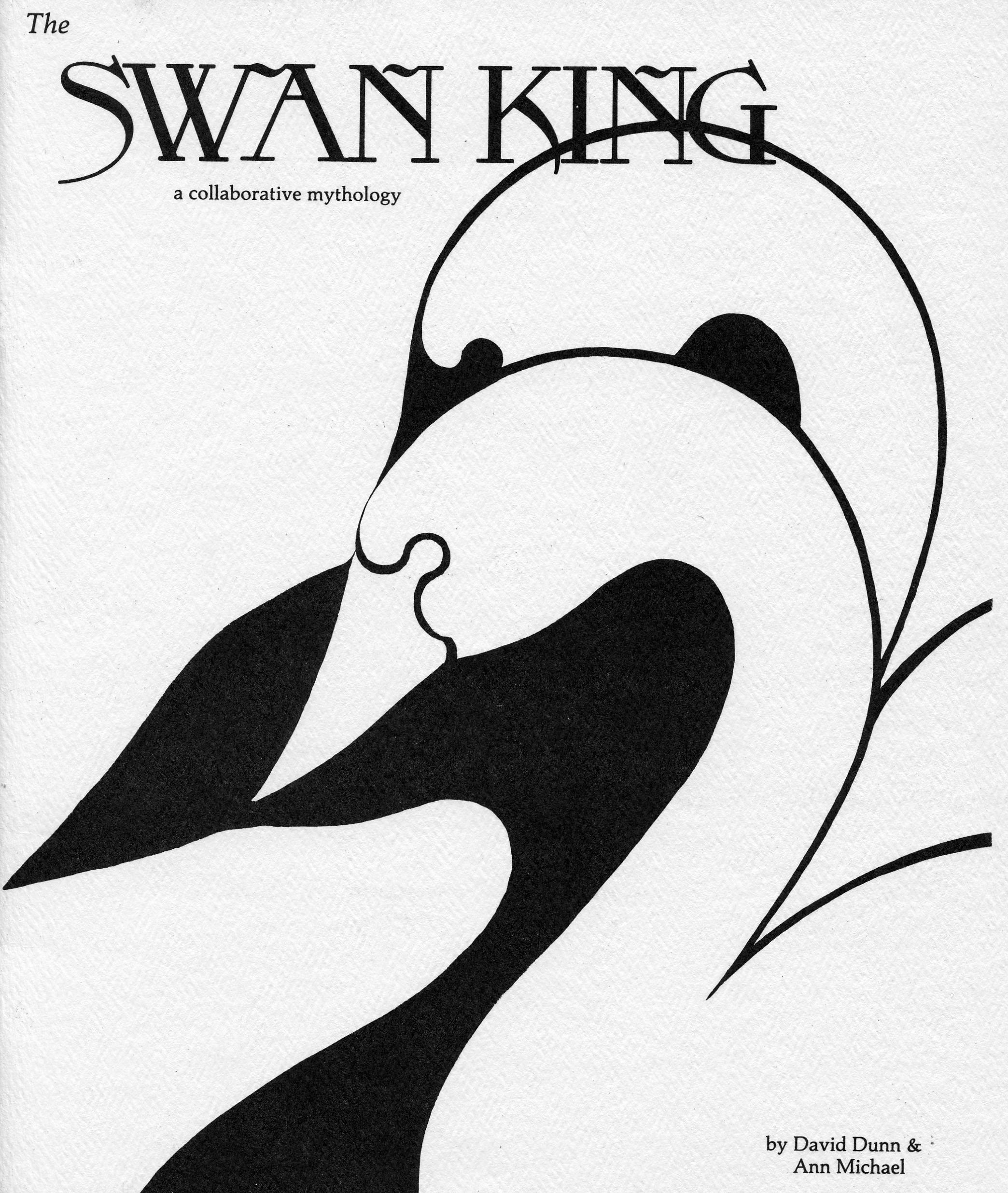
In this workshop, I’m returning to a form I learned early in my writing practice. My friend and mentor David Dunn may have introduced me to prose poems, I cannot recall anymore; but I do know he was writing them in 1980 and that some of the poems in our collaborative chapbook The Swan King are either prose poems or on the verge of being prose poems. Prose poetry was then considered a “new” form and was (& in some quarters, remains) controversial among poets and critics. It sounds self-conflicting: if it is prose, how can it be poetry?
In the decades since I was very new to poetry, reading everything I could find of contemporary work and experimenting all over the place, the prose poem has been much written-about in literary forums and academia and is–mostly–on pretty sturdy footing as a “form” of poetry. I never completely stopped writing prose poems, and a few appear in most of my books. I’ve been writing so many sad lyrical-narrative poems since 2018, however, that I haven’t spent much time really playing with poetry, and play is a huge part of creative thinking. So Lorette Luzajic’s workshop, which gives us a chance to experiment and play, appealed to me.
The workshop has got me thinking about versions and expansions of the form, turned up some exciting new poets to read, and offered amusing prompts that have moved me into ekphrastic, surrealistic, dream-based, and pop-culture themed poems. I have found some surprises in my own work, which is always a reviving feeling.
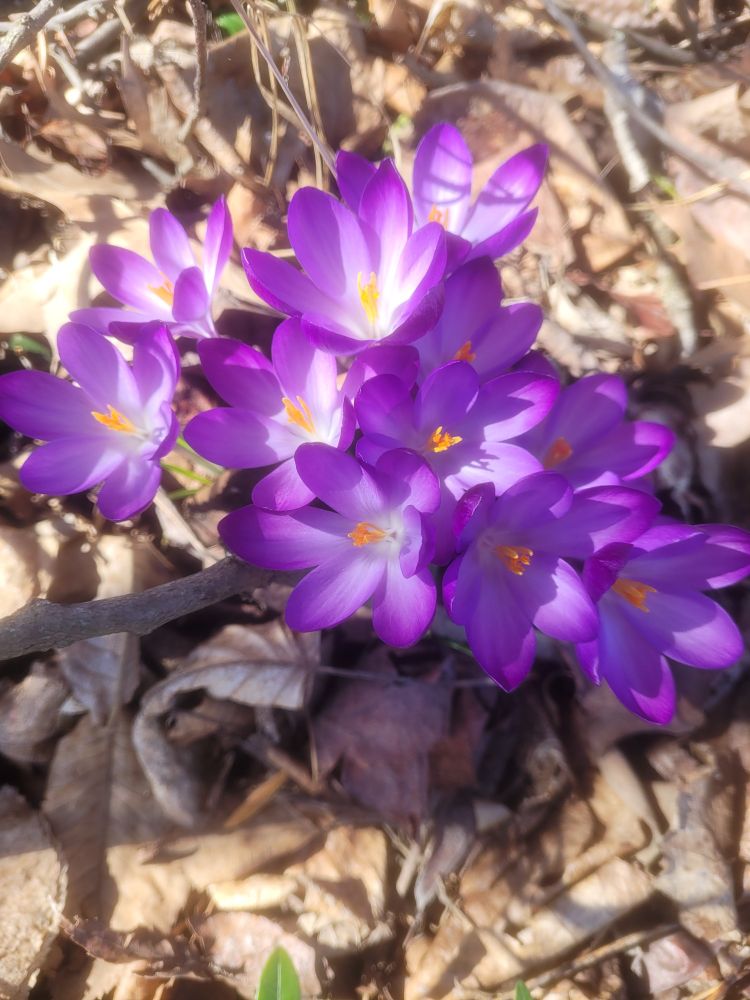
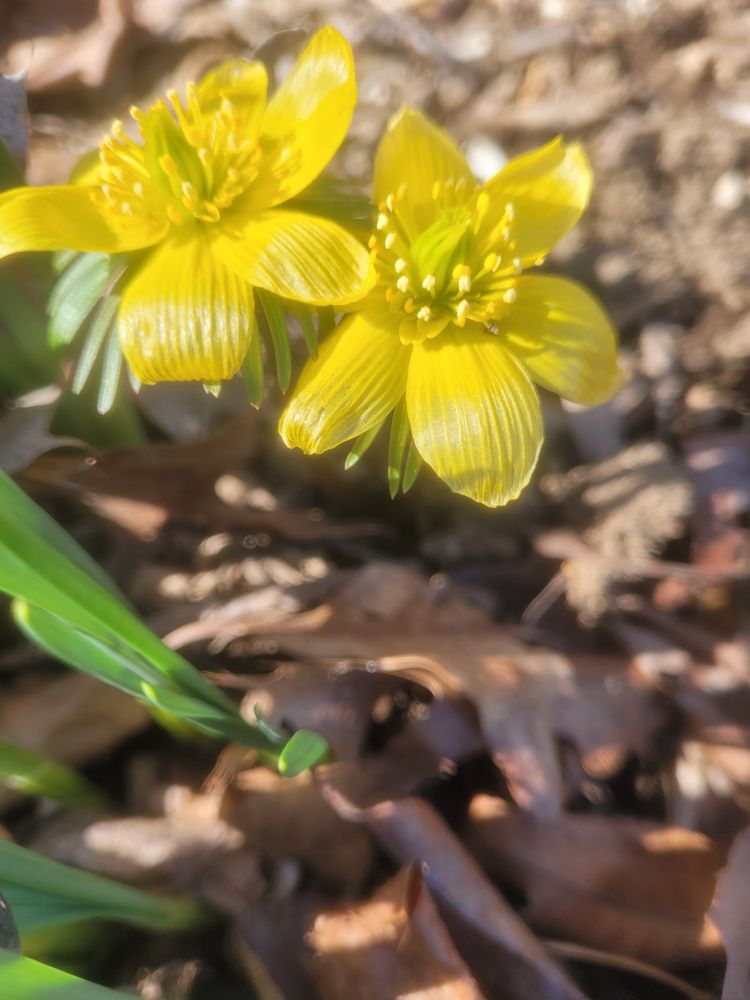
Also, we are almost at the vernal equinox. My environment is brightening in small ways, which tends to help with enduring the tough stuff.
Another clear day; we finally got an inch or so of rain on Friday, which was much needed, and since then the temperature has cooled a little. This late in November, it finally feels like autumn. On my morning walk today, I was happy to see this handsome creature airing its wings in the sunshine. Our local turkey buzzards have been active lately. I’m fairly certain that the snag this one’s perched on is a green ash tree, clearly well-visited by woodpeckers.
My low mood seems to have abated, at least temporarily, and I wrote a few poems and revised a few others during the past three days. I’m trying to accept the fact that this year, we will see neither our son nor our daughter for the Thanksgiving and Christmas holidays. So I’m trying to get creative about things to do that we might not have done if we were preparing for family celebrations. Yet we miss the concept of family celebrations. I guess that’s a socio-cultural thing, right? I may need to reassess what value “the holidays” have for me these days.
~
I have also kept myself busy re-assessing a chapbook manuscript I’ve worked on forever (it seems) and am now looking for the sort of small, independent publisher that might consider a hybrid poetry-journalistic/historical work influenced by Muriel Rukeyser‘s long-poem The Book of the Dead. My poem is about a Korean War veteran tried as a traitor upon his return to the USA, a man who was my friend David Dunn’s father. It has been a real creative challenge to figure out how to tell his story, and the resulting text is definitely “hybrid,” with footnotes, magazine articles, military court proceedings, letters, and poems. People who believe that poems simply flow from some internal inspiration would probably take issue with a poem-ish thing like this, but I keep feeling compelled to find a way to tell this man’s story. The unfairness of it, the long-term damage, the people who used him as a scapegoat, his short life (he died at his mother’s, age 39, discouraged and unwell from physical wounds that never healed, divorced, unable to overcome the dishonorable discharge that kept him from gainful employment). David kept losing his father over and over: to prison, to PTSD, to divorce, to death. It’s an all-too-common narrative, but each tale is also deeply and profoundly individual. Hence the need to write it.
Torrents. We had rain in torrents, and it went on for days from February into March and then on…and on. Constant alerts on the cell phones: “Flash flooding.” Doldrums set in. In an effort to accomplish anything at all, I even started to sort through and organize my attic.
Talk about desperation!
The attic project isn’t finished–the weather turned mild and clear two days ago, so I ran to the garden to get to work out there–but it turned out to be a more rewarding task than I expected. I started by tackling the Christmas stuff, then the books (SO many books), children’s toys (the kids are in their 30s and there are no grandchildren), and moved on to paper correspondence. Letters! Postal mail. Epistles. Why I have saved so much of my correspondence from 1975 to the present, I cannot explain. Maybe that’s a thing that people who love words just naturally do, the same reason I have kept so many books. I certainly don’t need all of it; but that was part of the task, sorting what I want to keep and agreeing to recycle the rest. I also found odd ephemera, such as photocopied posters for long-ago poetry readings, broadsides of poems, xerox-zines from the early 1980s, and ancient mixtapes on cassette.
~
There’s some sorrow with this project. So many of my former correspondents have died. I find my grandmother’s looping script, my dad’s distinctive handwriting, my dear friend David Dunn’s nearly-illegible scrawl. Reminders of times past. Maybe that is why we keep ephemera: to remember what we thought, at the time, was important.
Maybe it is, maybe it isn’t, by the time we reach our later decades–if we’re fortunate enough to reach them.
I keep gardens for different reasons. Not to remember the past but to see what the present can bring.
Where do I start? With a winter solstice poetry reading in Brooklyn, in a dark room on a dark night; his poem evoking a Di Chirico painting made my head explode, the work was so much more interesting than anyone else’s. But we didn’t speak that night. I met David before the equinox the following year, at a critique workshop run by the people who had set up the solstice reading: Merle Molofsky and Les von Losberg.
David didn’t have a presence; he was a presence. He read in a growl, with a slight lisp and a Brooklyn accent, and he could quiet a room. The poems were not lyrical or narrative, nor formal, nor confessional–they were jazz-like, full of strange images that sounded like surrealism and yet were not. He wrote prose poems and free verse and tiny little aphoristic pieces that sometimes made me laugh and sometimes broke my heart. He was not famous. He had not studied with well-known poets. But he had much to teach me, I thought, from the first time we sat around a table and read our work to one another.
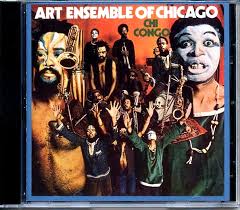
I found I listened more closely to David’s responses to my work than I did to other participants’, though as a fairly novice writer, I valued any critique. I liked that he often mentioned the work of poets he’d been reading, talked about their approaches and influences on his work. We started going to Gotham Book Mart together, searching the poetry stacks to score exciting contemporary writers and out-of-print classic collections. He told me to read Stanley Kunitz and James Lowell, Faye Kicknosway, Denise Levertov, Gerard Manley Hopkins. He had me listening to avant garde jazz, which I’d been introduced to in college thanks to a friend who was into Anthony Braxton and Dave Holland, and expanded my listening to include Don Cherry, the Chicago Art Ensemble, Albert Ayler, and many others.
His analysis of what was working in my poems, and what could work better, helped me to learn how to revise and rethink my work on my own. I gained a bit of confidence in my ability to figure out what sounded clunky, or wordy, or slightly “off.” He taught me not to be so hard on myself and to feel okay with putting a poem away for awhile–or forever–and letting the piece settle down so that, later, I could read it again and review its problematic areas less emotionally. He made me believe that my writing was worth reading, and that I was really a writer. Really. Not just faking it. In so many ways, he mentored me and my poetry. David encouraged me to submit to magazines and to let the rejections happen without feeling doubt about the value of the work. Although the value of that early work was…probably questionable, we’d look at the rejected pieces again and decide whether further revision might be needed or just a different reviewing editor!
As we got to know one another better, I learned about the challenges of his growing-up years, when he lived with his mother behind his grandmother’s millinery shop while his father was in prison for treason, in the US–following two years in a Chinese prison in Korea as a POW. Gradually, I heard about his dad’s release and inability to re-enter society, his parents’ divorce, his mom’s remarriage to a decent man who loved music but whose son, David’s step-brother, struggled with mental illness and died in a suspicious fire when David was about 20 years old. David’s outlier personality, his temper, his size–he was a large man who had been a fat boy, teased and bullied–found release and love through music, poetry, and dogs.
Also baseball, boxing, Star Trek…but we talked about those less often
posthumous poetry collection by david dunn
The other thing we conversed about frequently was frame of mind, particularly depression. Both of us were visited by depression frequently when we were in our 20s and 30s, and it was such a boon to have someone I loved and trusted who understood the “mood” and what a toll it could take on everyday life. When I married and had children, the need to feel less depressed got me to more reliable psych care–and I had better health insurance than David did. Sometimes he was chronically short of income, laid off, on unemployment, taking jobs in record stores, borrowing from his folks. He went a couple of years without health insurance or reliable health care, even though he was diabetic. So getting good therapeutic assistance for his chronic depression fell to a low priority, unfortunately. I tried to be there to listen to him, however, and he was always there to listen to me. We gave one another comfort during the doldrums, lassitude, and weird loneliness depression inflicts. And we reminded one another to write!
I miss him almost every day, though he died back in 1999. My book Water-Rites contains a section devoted to him and tries to convey the devastation I felt at losing him.
But you never really lose a mentor, right? They are always with us/in us.
Many years back–let’s say decades–my friend David Dunn and I briefly became small press chapbook publishers. It was not an easy task at the time, and expensive; but I worked at a type shop and could get the type set for free and a discount on the printing. We dubbed our concern LiMbo bar&grill Books. It was decidedly a labor of love, but we published four chapbooks and two broadsides before packing it in. The name emerged from David’s postcards and letters to me, in which he’d sometimes begin “Greetings from the Limbo Bar & Grill.” We were poets in our early 20s, underemployed during a recession, without any network to universities or well-connected writers. It felt like limbo.
Forty years later, dear David is dead; I have had modest success as a published poet since then–not enough to move me past avocation status–and the entire globe spins in limbo as pandemic, climate crisis, war, and oligarchies combine to keep things as interesting and unsteady as ever they were. It feels like limbo.
Feels like limbo on the publication side, too. Because my poetry collection that was supposed to be in print by 2020 seems to be indefinitely on hold. Covid interfered, the contract never arrived, and I’m beginning to wonder whether my emails are ending up in the publisher’s SPAM filter. It’s not surprising that a small independent press–in most cases underfunded and understaffed–might lose track of, say, a manuscript or two during the hassles of the pandemic protocols and all that has wrought.
Or perhaps the press has decided not to publish my book after all. The oft-rejected writer who lives inside my head supposes that could be the case and mourns, assuming the worst.
Now, I’m in a quandary. I wonder whether to resubmit the manuscript elsewhere. Is that okay to do, since there hasn’t been a written contract? Clearly the book is publishable, since it was accepted in the first place. I have a much newer manuscript I’ve been re-compiling and re-ordering (and revising). Do I focus on that, instead? I don’t quite know how to proceed. Yep: limbo all over again.
When does bereavement permit the writer to get back to the writing process? I have had quite a few conversations about this topic in the past few decades, and the answer’s pretty obviously “It depends.” I think of Donald Hall writing during Jane Kenyon’s illness and death and afterward–the stunning poems of Without. When my friend David Dunn died, I wrote immediately and often, sorrow emerging through elegies and remembrance. But I was younger then, and less experienced in the arena of bereavement.
During my mother-in-law’s two-year decline toward dying, I found myself writing about the challenges we faced–physical, emotional, communicational (that’s not a word, but I’m leaving it here all the same). Afterward, I could not/did not write. What interferes?
Why my thoughts turn this way: because, lately, my dad keeps turning up in my poem drafts.
I did not write much last year and did not submit any work.* For some reason, though I blogged and wrote long emails to friends and read many inspiring books, I did not feel particularly creative. But I wouldn’t have associated that semi-arid year with my father’s death; I figured my creative void was more about covid and an increase in chronic fatigue symptoms.
To jump start myself this year, I signed up for an online workshop (see this post). It has helped–I’ve drafted more poems in five weeks than I wrote in five months last year. But there’s been a peculiar outcome to these poems: despite widely differing prompts, source poems, and initial processes, my dad or something I connect with him appears in almost a third of the new drafts. I wonder what my subconscious is doing behind my day to day routine. Is this a response to bereavement, or a sign that I’ve accepted his death, or a reminder to self of what a huge loss it has been to me?
Not that I have a definitive answer to any of those questions. I do feel grateful for his appearance, though. He had a good sense of humor and loved to sing–nice things to have in a poem.
~
Thanks, Dad.
~
*Well, almost no work. Thanks to Marilyn Hazelton, editor of red lights tanka journal, I did submit tanka poems in 2021; and she accepted a few for this season’s edition (print only).
Despite pandemic restrictions, or perhaps because of them, I have been blessed with poetry the past few weeks. I have attended workshops and readings remotely/virtually, and I’ve participated in a few of those as well as giving one in-real-life poetry reading. I signed up to get the Dodge Poetry Festival’s poetry packet & prompts, and those appear daily in my email. Best of all, poems have been showing up in my mind–I started quite a few drafts in April.
Up to my ears in potential manuscripts (I have at least two books I am trying to organize), I’m also waiting rather anxiously to see whether my collection The Red Queen Hypothesis will indeed be published this year as planned. The virus and resulting lockdowns have interfered with so much. The publication of another of my books matters to me, but it remains a small thing in a global perspective, so I try to be patient.
Meanwhile, I thank poet Carol Dorf of Berkeley CA, who has been kind enough to read through one of my manuscripts and offer suggestions. It’s such a necessary step, getting a reader. I recently enjoyed this essay by Alan Shapiro in TriQuarterly, in which the author reflects on his many years of poetry-exchanges (he calls it dialogues) with C.K. Williams. His words reminded me of my friend-in-poetry David Dunn, who was, for close to 20 years, my poetry sounding board, epistolary critic, and nonjudgmental pal who often recognized what I was going for in a poem better than I did. Shapiro says he feels Williams looking over his shoulder as he writes, even after Williams’ death (in 2015). In a section of the essay Shapiro has an imagined (possibly?) conversation with a post-death Williams, conjuring the remarks his friend might have made in life, or after. I have had such dialogues with David, but not recently. It may be time to try again. Or, as Williams told Shapiro before he died, “Find a younger reader.”
As if that were easy.
Anyway, I continue to learn new things, even things I did not feel particularly curious about, such as Zoom teaching [blech!] and Zoom poetry readings and remote workshops and online discourse. Hooray, new skills to practice! Here’s a taped reading in which I read a few poems from Barefoot Girls, The Red Queen Hypothesis, and a couple of newer pieces. I appear at 31:48 on this video: https://www.youtube.com/watch?v=HFfeoTOVahQ
Though I think you should also give a listen to the other poets, who are worth hearing.
Time to weed the lettuce and spinach rows, time to stoop to smell the lily-of-the-valley. And time to have imagined discourses with my Beloveds.
I was looking in my archive files for something I didn’t locate, and I happened upon this.
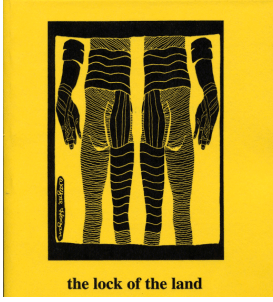
In 1981, I was a typographer; actually, I was a typographical proofreader who often stepped in when we needed another typographer (or, in a real pinch, typesetter) during rush times. This is one of the many style guide pamphlets the type designer-producers gave out to sell their fonts and as demos for set style and sizing.
When I was working in that field, I loved experimenting with the way words looked in different fonts. Sometimes I’d typeset my poems, or other people’s poems, to get a sense of how they would read on a “real” page (rather than as typewritten text; this predates word-processing and desktop publishing software). Those experiments led me and David Dunn to establish–briefly–LiMbo bar&grill books as an independent arts small press in 1982. I designed and typeset the books with help from my coworkers at various typography companies, and David did the editing.
I still love print text for the feel and look of how different printing and design choices affect the holistic environment of the page. Paper texture. Type size and choice. Gutter width. Titling. Binding, covers, front matter.
At present, I’m not yet a significant consumer of ebooks, so I can’t say whether similar design choices affect the reading experience. Surely there are differences, subtle and obvious. For the experience of reading poetry, from what I’ve seen on ebooks, I prefer print when reading poems. Technology may eventually change my point of view–I’m aware of that and open to it.
Poetry and publishing: two topics that seem diametrically opposed, if you look at them under the perspective that’s the norm in the USA—that of business, capitalism, popular culture. Shake off that norm, however, and publishing can be re-imagined as aural/oral, visual, textual, cinematic, digital, interactive…who knows?
When a reader begins to deepen her understanding of creative literature, she will also find it necessary to widen the concept of publishing. Some folks say this is a new world. Or they’ll claim things were better in the old days. Curmudgeons and prejudices abound.
In my lifetime, I have observed and been part of significant and constant changes in what constitutes publishing, from Linotype to Huffpost. Recently, I participated on a panel of poets talking to students who have just begun an MFA program. The panel was a discussion, but it jogged reflections on the process of getting poetry to an audience. So here’s a compressed version of getting poems published, as I experienced it.
~~
I began to submit my work in the very early 1980s to the indie-publishing journals which were extant at the time: photocopied, stapled zines with print runs of 300, or maybe just 150. I was new at writing and aware that my work wasn’t ready for Ploughshares or Poetry and the so-called top-tier journals I purchased and read carefully and tried to learn from.
As a 20-year-old woman, I was not exactly full of self-esteem. Why did I submit at all, when I knew my poems were juvenilia? Well, I know that now…at the time, let’s say I knew they weren’t up to the work of Elizabeth Bishop or Audre Lorde. The reason was mentorship. I had two good friends who encouraged me to send work out but to be realistic. To read the journal first and analyze my work in comparison to what appeared in the magazine. Good advice—and let me tell you how much harder that was in the years before the internet! As I lived in New York and Brooklyn and Philadelphia, however, and it was the 80s, there were good independent bookstores to browse, and good libraries. And there was Dustbooks.
So analysis was crucial, not just for deciding where to submit but to learn how to be a better writer. It was important to compare, to take apart, to hear meter, to recognize rhythm and consonance and the fabulous image and the fresh metaphor, to say how does that writer achieve what she does and can I learn it? Without slavish copying?
Damned difficult. But thanks to publishers, at least the materials were available. If we hadn’t had poetry publishers, it would have been even harder to learn the craft; and I’m not the sort of sui generis writer who just creates out of genius. I had to study, practice, revise, and learn the hard way. Alas.
In the later 80s, I started doing some editing and publishing of other people’s work. My dear friend, David Dunn, and I had a small press that put out two broadsides and four chapbooks. Taught me a great deal. I helped to edit a Xerox-zine in Philadelphia in the 80s. Meanwhile, I kept getting work into small press journals nationwide, mostly these photocopied deals with tiny readerships; but the minor successes kept me going. After awhile I had enough hubris to try the better-recognized journals, with some success. This is how it works: persistence, but not bull-headed, blind persistence. One persists through the learning process; revises, practices, finds trustworthy people for feedback.
My sister, my spouse, and I all have worked in the publishing business-as-business, in how-to and B2B magazines; I was a typographer, proofreader, copyeditor, writer, indexer. All of that background was valuable in its way and never kept me from pursuing creative work. So I did eventually go for my MFA, in my 40s, and I got chapbooks and a collection published at long last in spite of—oh, you know—life.
Because I feel that poetry needs audience, I was early to jump on the online publishing wagon, despite colleagues who warned that it wasn’t really as acceptable a venue as academically-affiliated print journals. Nonetheless I’ve found myself enthralled by online journals, by audio-poems, moving-poems (video), podcasts, blogs. I’ve watched well-respected magazines migrate to the internet. And there are problems with online publishing. I know about them, wrestle with them, yeah—keeps life interesting.
My route has not been the academic route, although I work at a college today; I am more of an outlier. Poets and writers can be nurses, doctors, mechanics, or landscapers, grandparents, people with disabilities, insurance industry managers, post office workers, tutors. Each of us discovers her own process for writing and for getting the poems into the world. Mine is pokey and slow and frequently interrupted, and my next long collection won’t appear until 2021, nine years after Water-Rites, my first. But I feel satisfied with my publishing record, such as it is. People do read my work, which is kind of the entire point of writing, no?
When everything is easy and there’s no chance of failure, life is boring. Writing creatively means taking risks, creating tension. Publishing creatively requires the same things. Risks, imagination, persistence, curiosity, analysis and a willingness to be open-minded. Fun pursuits, but not always easy ones.
Nesting. I’ve just finished reading Sarah Robinson’s thoughtful, gentle book by that title, which has offered me interior space at a time I need it. Deborah Barlow does a lovely review here.
~
Outside my window every morning…conference of the birds.
The Conference of the Birds (or The Speech of Birds, or The Bird Parliament) is a Persian (Sufi) poem by Attar of Nishapur, an allegory of sorts in which the hoopoe instructs the other birds on how to find their king, which they can do by following the path of the right way to live. Here is an excerpt from the 1888 FitzGerald translation:
Behold the Grace of Allah comes and goes
As to Itself is good: and no one knows
Which way it turns: in that mysterious Court
Not he most finds who furthest travels for’t.
For one may crawl upon his knees Life-long,
And yet may never reach, or all go wrong:
Another just arriving at the Place
He toil’d for, and—the Door shut in his Face:
Whereas Another, scarcely gone a Stride,
And suddenly—Behold he is Inside!—
There are more adept, contemporary translations such as those by Dick Davis, Sholeh Wolpe, or others. This one’s copyright free and thus available here.
The poem inspired the title composition of one of my favorite jazz albums of all time, this one by The Dave Holland Quartet, recorded in 1972. A college friend who loved Anthony Braxton’s music introduced me to this record, and it was one of the things I had in common with my dear David Dunn–early in our friendship, we learned that we loved some of the same poets and some of the same music.
~
Nesting season. The earliest fledglings have begun to leave their temporary homes. Some birds seem to return to their house sites–or perhaps their offspring do so. There are ledges here that shelter robins’ nests every year; there are certain trees the orioles seem to favor over and over again.
My children “fledged” some time ago. One’s returning to the house soon, but only for a visit. All homes, no matter how long loved and lived in, are only temporary shelters.





 The poem inspired the title composition of one of my favorite jazz albums of all time,
 ann e michael