Every 20 years or so, my region gets a truly late freeze.
This is one of those years. It seems strange when snow flurries alight upon dogwood blossoms, but this period has been strange in many respects. What’s one more weirdness? We can adapt. It just requires employing strategies we haven’t used before.
Which brings me, today, to Marilyn McCabe’s chapbook Being Many Seeds, just released by Grayson Books…like my own chapbook, a publication somewhat muted by the coronavirus. Make note, though, that you and I can still purchase books online. It just may take a little longer to receive the text. And isn’t anticipation fun?
Her chapbook has a lovely cover. [Readers may know I’m a fan of milkweed.] And the poems fascinate as they unravel–almost literally–on the page, in a form of erasure poetry followed by brief prose that is not so much interpretation as deepening. McCabe tries strategies with her poems as words and also as meanings. If that makes any sense. Want to know more? McCabe posted about the evolution of this collection on her own blog (which I suggest you follow) here.

~
I walked out into the meadow and scouted the broken stems and perennials emerging, on the lookout for seed-silk. I found several varieties, mostly dandelion, milkweed, coltsfoot, and eupatorium. Translucent puffs that evolved to disperse lightweight seeds through the use of breeze. Or breath.
Effective, and also quite beautiful. When the seed is stripped from the silk, the puff drifts away. The seed, however, now has the opportunity to sprout and grow. Even when the air is full of flurries.
~
 Nicole Rudick, in The New York Review of Books, has already composed a wonderful write-up about The Book of Delights–so I don’t need to. (Do read it:


 My initial responses to the poems herein vacillated between the intellectual and the…ear? Sound? I guess what I am trying to say is that a significant part of Doré Watson’s poetic craft employs sonic crushes of alliteration and internal near-rhyme, storms of assonant wordplay and sudden stops in syntax; just when the lyrical narrative seems almost to narrate a story, other pressures intervene. The feeling reminds me of times I cannot concentrate, when I’m full of either ideas and intentions, or fears and concerns.
 The language here is clear and fine, frequently musical–a trait I like very much. Matejka’s newer work engages with the ideas society and individuals have about tribes, groups, races, mixing, and this early collection establishes those themes. The voice here strikes me as youthful, newly-minted. But sure in its control of the rhythm and sound of a poem.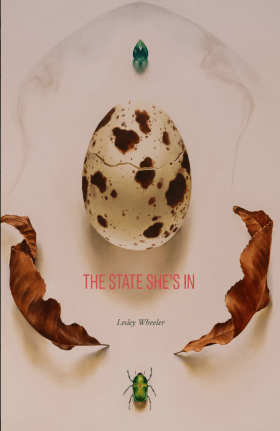


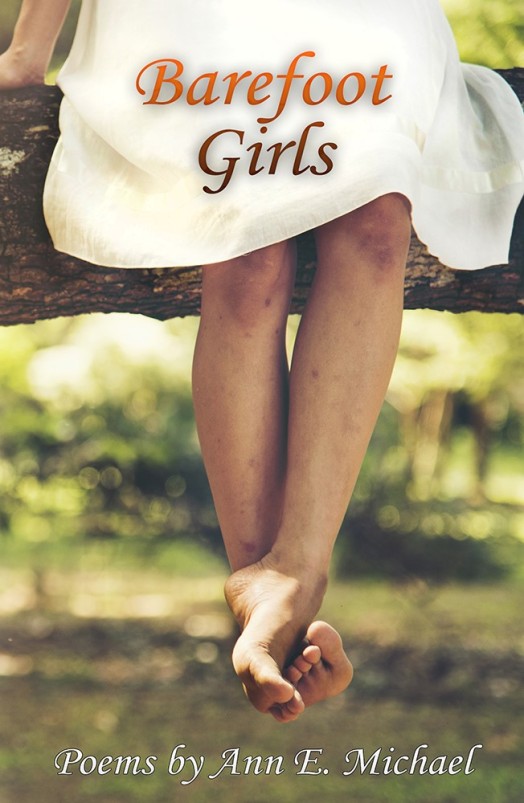
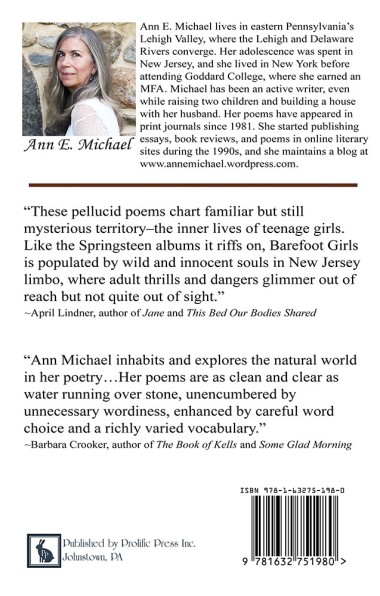


 ann e michael