Wet summers

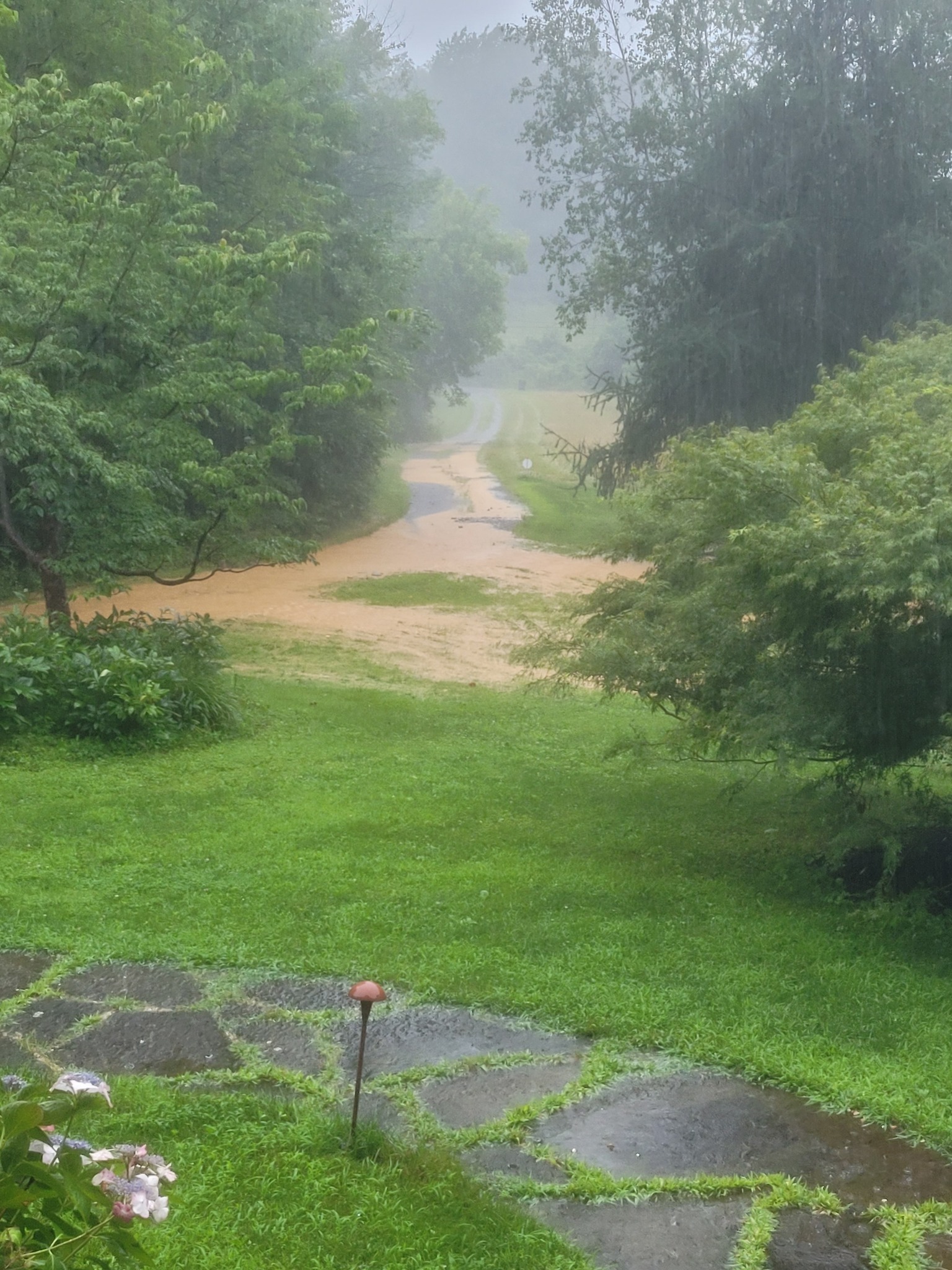
Thunderstorms used to thrill me, and still do–that combination of potential damage with the relaxing sound of rain on trees and rooftops, rain rushing through downspouts, and overcast skies that seem to lull me to sleepiness. Yesterday’s rain was a doozy. We had a flash flood in our front lawn, which has never happened before. But the basement stayed dry, no trees have come down (yet), and we didn’t lose power.

Cracking loud thunderclaps with arrow-straight downpours on hot summer days remind me of childhood. Yesterday afternoon I sat on my porch for an hour just watching the rain and remembering days like this. When we aren’t in drought years, these summer storms appear commonly in the region; yet they always evoke memories of long ago, I suppose because when I was a child I could just sit around watching a thunderstorm instead of, well, doing grownup things. Like working in an office, teaching a class, grocery shopping, laundry, reading emails, whatever I’ve been doing during the past 50 summers.

I spent many a mid-summer week or two in northern Indiana, where this type of storm was common. My grandmother always appreciated them, saying, “They make the corn grow.” Which must also have been true in the coastal plains of southern New Jersey, where I spent the rest of every summer. (Sweet corn is excellent in both regions.)

So, I think of thunderstorms on days so hot we could just run around outside in sundresses or bathing suits, getting doused, or sit on a porch and read while the lightning flashed and the rain came down in torrents. And then have garden tomatoes and corn on the cob for dinner, and go outside after dusk arrived and chase fireflies in the wet grass. These are the kinds of things that I feel nostalgic about, though I am not generally a person who gives much energy to nostalgia. It has been awhile since I had enough unoccupied time on my hands that an hour on the back porch observing the rain seemed like a valuable thing to do.

But it is.

Anyway, here’s a prose poem from my book Abundance/Diminishment that I recalled to myself while I was watching the storm.

~~

Competition, Wet Summers

…so here’s this young woman practically in tears—it’s almost one o’clock
and raining harder than ever, thunder so close it’s practically grabbing us by the
shoulders and the lights dim inside each time the sky goes millisecond-bright.
It doesn’t feel like midday. Every stall is full and the horses aren’t happy.
We can hear the skittish ones hollering, pawing, kicking at the doors. It’s a squall,
I tell Sara; but she’s frustrated, fuming, has her tack cleaned and her dress breeches
on for a three o’clock show she’s convinced won’t happen now that all hell’s let
loose in the form of torrents and flash floods, and there’s a stream coursing from
the south door into the first bay of the stable—it looks like the River Jordan.

The roof leaks at a spot directly above her shampooed and just-groomed mare
and I’ve run out of cheery platitudes and patience; I just walk myself to the barn’s
far end, feel the rain splash up my legs from the puddle at the threshold, dripping
on my neck and face through rotten shingles. The wind stops. It’s a straight-
falling deluge and hot, a no-relief rain with big drops that bubble in temporary
pools of runoff by the wash stalls. The afternoon is green and grey, the puddles
a stirred-up brown, and I remember my former boss—thirty years ago—standing
in the type shop doorway on a day like this one. The look on his face was worse
than Sara’s, not frustration or mutiny but numb desolate recall, slack and empty.

“Man,” he said, “It used to rain like this in ’Nam.”

~

Behind the arts

The regional drought has officially ended, and the rain continues. Ironic, then, that the online site Feed the Holy just posted a poem I wrote near the close of a droughty August: “Zen Gold.” Fireflies and bats, while not abundant, manage to enjoy the recent dampness. The monarch butterflies have returned to our meadow, though I don’t catch sight of them on rainy days. But the moist conditions didn’t dampen the turnout or enthusiasm of local citizens who came out in droves for peaceful “No Kings” protests here…in a decidedly “purple-red” area of Pennsylvania.

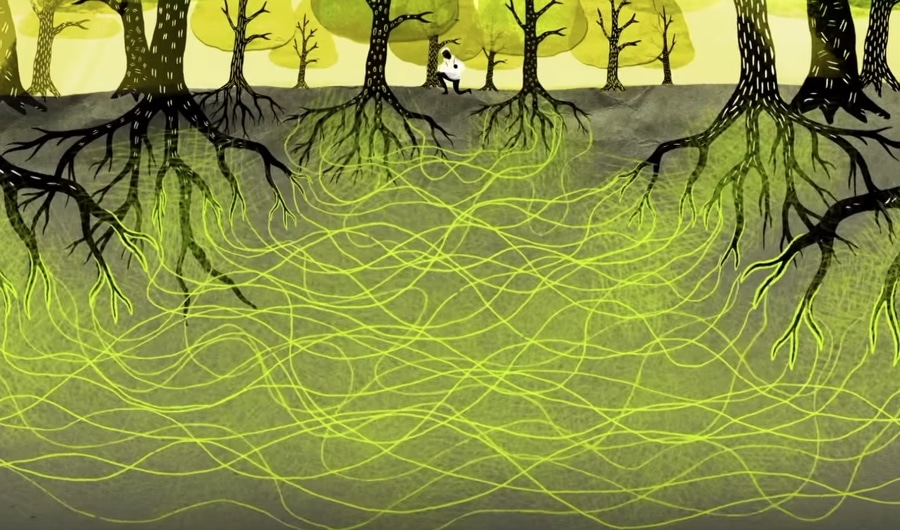
Speaking of regional, this weekend I also attended the debut showing of a documentary film about the performing arts community in Bethlehem, PA, formerly famous for Bethlehem Steel Corporation. The film is titled “Rooted,” and it follows that “roots” idea with the planting of trees at arts sites, the metaphor of the mycorrhizal network (see my references to Lesley Wheeler’s latest book–so much overlap!) and the concept of community development. Especially through works of imagination. In the 1970s, when the steelworks was beginning to slow production and lose employees to retirement and business to competitors, small groups of young, talented artists in theater, dance, music, and puppetry started performing in parks, churches, etc…and gradually found inexpensive space in the city to establish themselves and pursue their dreams. Some of those little startups, such as Touchstone Theatre, have been operating, teaching groups of children, entertaining the community, and advocating for the arts for over 50 years.

Godfrey Daniels coffeehouse/listening room and The Ice House (home of Mock Turtle Productions) have been sites for poetry as well as for music and theater-craft. I have participated in and attended poetry and one-act play readings at both of those venues. I don’t live in Bethlehem, but it isn’t too far away from me–still in the Lehigh Valley region. And I deeply appreciate the work that pioneering arts-folks have done, and that arts advocates and teaching artists continue to do, for our area. The people behind the arts deserve recognition.

I’m not the sort of person who networks well; event-planning exhausts me, and preparing for committee meetings and writing grants are not my forte–though I gladly proofread grants and PR materials for local non-profits. Thus I admire the types of people who not only create in the arts but also find creative ways to keep the arts alive through outreach and planning, often in the face of very steep odds (yes, I’m talking funding here, and board membership, and organizing the necessary minutia, and the grind of public relations). God bless them for making space for actors, musicians, dancers, visual artists, sculptors, installation artists, poets, and visionaries of numerous kinds. It’s because of folks like these that I don’t have to travel all the way to New York or Philadelphia to experience lively contemporary arts of many kinds.

You can think of local arts organizations as the independent booksellers of the performance world. You go there to discover stuff that you won’t find on best-sellers lists, for work that’s by new artists, or work that’s been rediscovered, or cool perspectives on the familiar canon of major works by the famous. That has value. That offers inspiration. That gives you the courage to keep on doing whatever kind of art it is you do. Which in my case is poetry, not generally thought of as as performance art–though it once was, and slam poetry events prove it can still be. Maybe I’m a little more of a hermit-in-the-woods writer, but that doesn’t mean I never want to venture out into the wider arts community. And when I do? I’m grateful for the people who have established the beautiful network under my feet.

image: https://truetimber.net/TrueTimber arborists

Back in PA

Last year at this time, I had covid and was languishing in bed, unable to tend to the garden. A regional drought meant I really should have been watering the new plants; and it also kept the weeds firmly rooted, fighting for dominance in the vegetable patch. This year, I timed a trip to New Mexico just when I ought to have been harvesting spinach and planting out tomatoes, beans, and squash. Oops. And then it rained buckets the whole time I was away (much-needed rain, but…). Therefore, the garden situation was not ideal. But garden situations seldom are ideal because Nature does its own thing regardless of my plans.

At any rate, eastern Pennsylvania finally moderated its weather enough that I got the weeds and the seeds and transplants more or less under control this past week–“control” being a general term subject to, well, Nature. The peonies bloomed gorgeously on schedule, as did the nefarious multiflora roses and Russian olives that plague the hedgerow. The catbirds and Eastern kingbirds are back; the robins’ first brood has hatched; the orioles are insistent in the walnut trees and brilliant in the garden, chasing the barn swallows. I’m not doing much writing, though I drafted one or two beginnings of poems. Outdoors takes precedence–not that I can’t write out of doors, I often do so. But poems can wait in a way the garden cannot.

And, speaking of poems (and Pennsylvania), I returned from my trip to find this Keystone Poetry anthology awaiting: https://www.psupress.org/books/titles/978-0-271-09990-3.html–the followup to 2005’s Common Wealth anthology, also edited by Marjorie Maddox and Jerry Wemple.

The new anthology, 20 years after the initial one, has poems by about 180 poets–yes, I am one of them–covering the corners and the center of the Keystone State. I like it even better than the first collection, and it is clear the editors learned much from the experience of curating poems and creating a cohesive “experience” of the regions. Granted, since I know both of the editors personally and appreciate their poetry and their visions, I may be biased. But that’s okay. Objectively, I truly get how huge an undertaking this was and how well it has turned out. For educators, there is a section at the close of the anthology full of suggestions for reading, writing critically, and writing creatively based on this anthology, and even in comparison with the previous one. As both editors are college professors who teach creative writing and critical writing, these appendices are well-thought out and worthwhile.

I miss the aridity of New Mexico, which seems to benefit my overall health. And I miss my daughter immensely. But springtime in eastern PA has many compensations, not the least of which are blooming even as I write.

Plan B (reading)

While I was traveling the high-altitude desert regions, my home valley got its much-needed rain. And the rain continues. And continues. My plan was to get to work on my gardens as soon as I came back, to weed and plant out seedlings. Well, it’s a bit too wet for that. Also chilly and humid and sea-level, and therefore my physical adjustment has been a bit …bumpy. So, Plan B.

The Plan B default for me usually entails spending “down time” reading, writing, or housekeeping, though visiting the library and meeting friends for coffee fall under Plan B, too. Today, since I feel lousy and have a spate of brain fog, reading has been the choice. I still have a few books on the bedside pile that I haven’t gotten to–mostly poetry collections I bought at AWP at the end of March. But also there is Ocean Vuong‘s heartbreaking and beautiful novel-that-reads-like-memoir, On Earth We’re Briefly Gorgeous, that I finally got around to reading, and a back issue of Rattle Poetry a friend gave me–one that was largely devoted to haiku and related forms–that featured a fascinating interview with Richard Gilbert (thank you, Lesley S!). On the poetry-only book list, I read January Gill O’Neil’s Glitter Road, Julie Kane’s Naked Ladies, and Ross Gay’s first collection, Against Which. All quite useful to me in times when I feel bleak and physically frail–there’s humor, sorrow, and bravery in all of these writers’ poems. Though I’m too foggy-headed to write mini-reviews at the moment, I encourage my readers to check these poets out.

Perhaps my next post will be about the lovely time my friend and I had in northern New Mexico, visiting my daughter and Santa Fe, including my opportunity to see Bandelier National Monument again and ponder its environments and history. A trip like that takes some time for me to “digest.” But it was wondrous. And so is a day at home to recuperate in my favorite way: reading.

Mud & connections

My region’s been unusually low on rainfall the past 18 months, but this year April showers seem almost to be compensating…my veg patch is mud. Weeding and more sowing will just have to wait. I walk around the neighborhood and my yard and the woods, squelching through muck and stopping now and again to upend a rock or rotten log and see who’s active now. Lots of worms and arthropods, the occasional spider, many ants.

In such moist circumstances, we get fungi; I’ve been enjoying Lesley Wheeler’s new book, Mycocosmic, which I’ve read twice now–once for content and sound, once to learn more from the poems’ craft structures, all the while fascinated by the science of fungus, which she incorporates into many of these poems. It’s a richly rewarding book, sometimes sorrowful, always intelligent, full of insightful poetry. The collection includes some poems that feel like spells, chants, divinations that suggest there are always imaginative methods for coping with anger, unfairness, and loss. Exploring the vein of how interconnected the natural world is, and the human world (with other humans and with the Earth) feels so vital to me, and Wheeler’s book pivots on this vitality. Look at the way Harry Humes threaded through my life, for example, in small but meaningful ways. The same goes for Lesley and for so many other people with whom I’ve shared intersections, interweavings, and connections over the years. That butterfly effect of influence. (Now that I think of it–Harry Humes has a book with that title: The Butterfly Effect). Or are those networks mycelial, as Lesley Wheeler suggests?

~

More connections: grad school was long ago now, but I’ve maintained a few colleagues from those days and will always treasure the fact that earning an MFA led to meeting fascinating people. For example, the recent issue of The Bookends Review features an interview my fellow Goddard alum Ian Haight conducted with me last summer. He asked me about teaching humanities, about higher ed in these fraught times, about AI and creative work, about my residency at Joya, and about poetry in general…https://thebookendsreview.com/2025/04/09/poetry-the-humanities-and-aesthetics-an-interview-with-ann-e-michael/. Some thought-provoking questions–thanks, Ian! And thanks to The Bookends Review for curating the interview into the journal.

Drought, again

The temperatures here in this eastern Pennsylvania valley have been mild, even warm, which isn’t that unusual for October, anymore. What’s different is the lack of rain. Northern New Mexico had more rain the past three weeks than our region did. Now that is unusual, and a bit worrisome. Our local trees have been enduring numerous stresses in recent years: irregular rainfall, invasive insects, road construction and housing developments, run-off, and viruses. Droughty autumns and winters do not make for resilient, happy trees and other perennials, unless they are desert varieties.

I love the desert, but the Lehigh Valley (where I live) is not primed to be a desert. We need the temperate moisture of rivers flowing down to sea level and 50″ of rain each year. It would be interesting to learn xeriscaping and how to garden in low-moisture regions, but only if I were living in one. I’ve been concerned for a long time about the climate changes I see occurring around me, noted the differences year by year in my gardening journal, tried to limit my own water use even in this temperate, damp-ish area. But. On my own, I cannot conserve enough water to keep the 70-foot-tall tulip trees and large oaks and colorful maples healthy. Nor the soil and its microorganisms, fungi, understory plants, and useful arthropods.

True, sometimes the long days of rain and overcast skies we get in autumn, winter, and spring feel oppressive; and they make my joint pains flare. But I count for little, whereas the earth counts for a lot. I’d gladly trade some low-barometer aches for a vibrant, healthy local climate.

~

The frosts, though light and few, are arriving now. Maybe we will get rain by Election Day? I have too many hopes for next week. Best not to speculate; I can wait.

In the meantime, I have just finished reading Cindy Hunter Morgan’s very beautiful new collection, Far Company, and I recommend it, especially if you like poetry with an environmental resonance and poems of memoir and recalled experience. Purchase it from Wayne State, not Amazon, if you can. To frustrate a certain billionaire, not that he will notice.

We do the small things, right?

Many amazements

Subscribe to continue reading

Subscribe to get access to the rest of this post and other subscriber-only content.

Wet lion weather

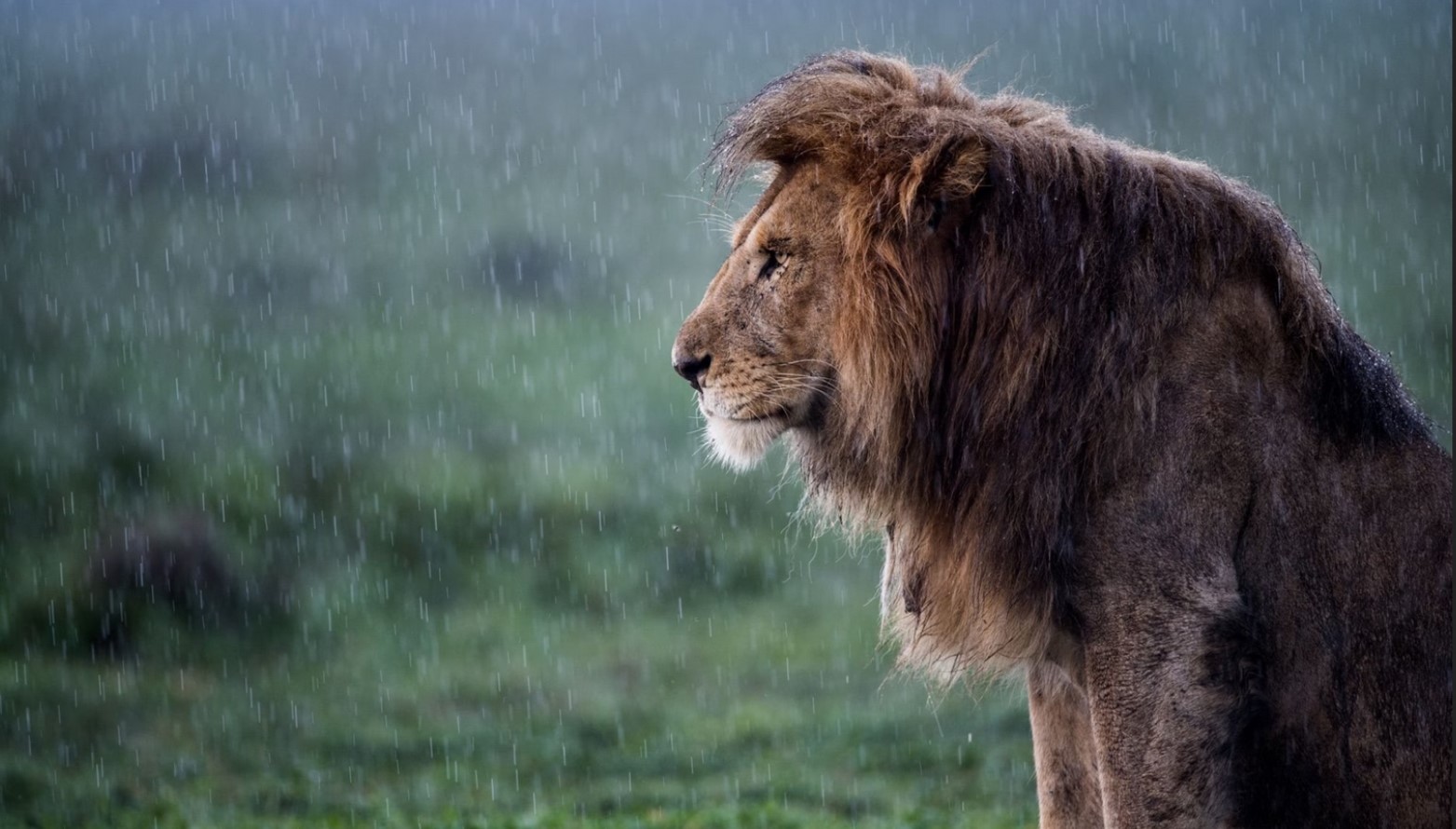
Early March, but February’s doldrums appear to be hanging on with clouds and heavy rain in our weather (though it has been fairly mild) and my mood as well. If March comes in like a lion, it is this year a very damp panthera leo. Crocuses, yes; iris reticulata, yes; winter jasmine, yes; hellbore, yes. And the robins are chirping like mad every evening as dusk arrives–and it does arrive later each day.

I should feel merrier. There are some poetry-related things coming up this month, an informal reading at our friends’ house, a bit of recognition perhaps, a visit from a beloved before the month closes, and maybe even the new book. In addition, I have managed to collect and organize the first draft of yet another collection. (Don’t hold your breath–this one will be a long time coming.) My physiology has been annoyed by the rain and humidity, however, which keeps me out of the perennial beds where the winter weeds are having a party in the chilly mud. There’ll be hell to pay for this later if I can’t get out there pretty soon. But it would not be the first time–which is why I know there will be hell to pay!

I did take advantage of the many rainy, achy days by reading an amazing novel by (Nobel Prize winner) Olga Tokarczuk, The Books of Jacob. Dare I call something a masterwork? This marvelous historical novel is over 900 pages long, beautifully rendered in English by Jennifer Croft, and based upon 18th-c Polish history and the idiosyncratic Frankist religious movement. I’ve been thinking about it for days–reflecting on words, names, letters, philosophy, and even metaphysics. Several times I found myself setting the book down in admiration, wondering how on earth Tokarczuk manages to keep the thread of her numerous narratives together so beautifully.

When a book gives me that kind of joy and evokes so much wonder, I feel that being a writer might actually be a worthwhile occupation. And if the rain keeps up, I’ll be at the library looking for her other books soon.

In which I regress

I was a child who liked mud puddles. Well, mud, generally–but splashing through mud puddles was an especial pleasure. Barefooted in mid-summer at the beach or in the yard; booted other times of year, because I knew better than to wreck my shoes.

Water sends me back. I’m somewhere between the ages of 3 and 11. I am in one of my happy places. A puddle. A puddle in the rain, perhaps.

Of course people, as early humans existing in the marvelous and dangerous world, would infer that water is holy.

~

~

I felt water’s holiness when I was a child. Though perhaps that was a memory of the baptismal font, with me in my father’s grateful embrace.

Trees

The catalpas are blooming, really putting on a show this year–huge crowns full of white blossoms. I suppose the climate this year contributed to this show somehow, but my research says catalpa speciosa is drought resistant and requires little water compared to other tree species.

casp8062

catalpa in bloom

Eastern Pennsylvania has not had drought lately, and two wet springs in a row have meant burgeoning iris pseudacoris and particularly floriferous honeysuckle vines in my yard. The river birch seems happy with its feet all wet; the firs–though in a slightly less waterlogged area of the yard–are, by contrast, miserable.

~

I’ve been thinking about trees because I’m reading Peter Wohlleben’s 2016 book The Hidden Life of Trees. The text reads like a friendly forester inviting readers to learn what he loves about trees and their encounters with us, with the environment (soil, air, sun, water, pollutants, pests, fungi), and with one another. I have to say I remain somewhat skeptical about the scientific veracity of his source material, but I do enjoy his warm enthusiasm for his subjects and his reminders that we humans don’t know even the smallest fraction of what goes on in the planet’s interconnected and unplumbed depths.

Although some critics object to what they see as too much anthropomorphism in Wohllebehn’s book, his use of the analogy of the human and the tree “bodies” makes his information about how trees and forests work easy to grasp.

For science nerds, there are other texts. The Hidden Life of Trees is meant to make the less scientifically-inclined reader more aware of his or her environment, to convince the average human being to consider plant life more consciously.

~

I take many photos of trees; and they appear in my poems pretty regularly, not as main characters but in supporting roles–not symbolic, but actual. Wohllebehn’s book may influence my work somehow…possible inspiration? But then, the trees themselves, especially the oldest ones, are inspiration enough.

sycamore

This 200-year-old sycamore resides at Bartram’s Garden in Philadelphia