Hornworms

Late summer, and this year the tomato hornworms are out in force. I have mixed feelings about these creatures, because once they hatch into hawk or sphinx moths, they are wonderful pollinators for many plants, fascinating to observe as they hover like hummingbirds over the buddleia. But as caterpillars, do they have to be so damned voracious? Most years I can remove them to places far from the vegetables or snip them in half, but sometimes–like this year–I resort to spraying tomatoes with Bt.

We are having a wet August, however, which is a problem for Bt application: I have to keep applying it after every rain. Not to complain of rain in August–so much more welcome than drought. I always look for hornworms to remove them by hand, but they are so good at camouflage that I’ve only found three so far, and two of those were carrying parasitic wasp cocoons so were not going to live to do much more damage (I removed them anyway). Yet each morning I find further “pruning” of my plants. Sigh.

It’s not a big problem, really. My tomatoes have been going wild this year, with plants 7 feet tall, 8 feet in circumference, all of them loaded with fruit. I should not mind sharing with a few very hungry caterpillars when, after all, I’m loading my friends with tomatoes and making more sauce than Best Beloved and I can possibly consume in a year. And yet, it is rather annoying. So I was scouting the internet when I found this blog from Brie Arthur re hornworms. It’s a nice overview and shows “both sides” of hornworm invaders (though as she is in North Carolina, she has tobacco hornworms on her tomatoes).

Hornworms bring to my mind two very astonishing Stanley Kunitz poems written from the worm’s viewpoint. A tricky task, taking the persona of a non-human and still avoiding the more common issues of anthropomorphism. Kunitz, a master, pulls it off. Here is an excerpt from “Hornworm: Autumn Lamentation.”

~

All day, all night, I carry on my back
embedded in my flesh, two rows
of little white cocoons,
so neatly stacked
they look like eggs in a crate.
And I am eaten half away.

If I can gather strength enough
I'll try to burrow under a stone
and spin myself a purse
in which to sleep away the cold;
though when the sun kisses the earth
again, I know I won't be there.
Instead, out of my chrysalis
will break, like robbers from a tomb,
a swarm of parasitic flies,
leaving my wasted husk behind.

~

I encourage you to read the entire short poem. So layered. And it gave me new respect for the animals that eat the same things we want to eat, who can blame them?

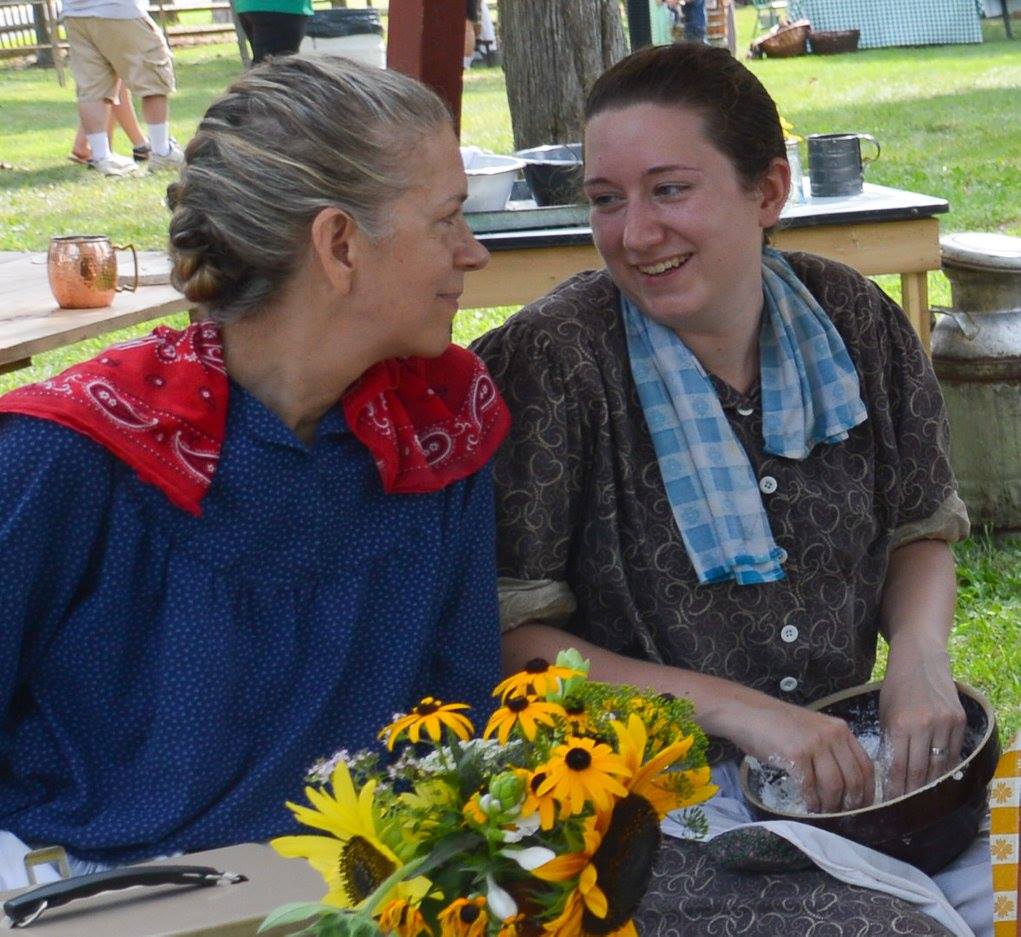
Photo by Chris F on Pexels.com

August

August is the month of the Sealey Challenge, which basically urges those who like/love poetry to read a book of poetry each day of the month. I haven’t given myself the challenge this year, but I am posting individual poetry books on my Instagram account daily–books from my personal library, mostly–and that means that I read a few of the poems, too. Sometimes I get carried away and re-read the entire book. [@aemichaelpoet]

This is not a bad thing.

Meanwhile, August this year behaves as it usually does, weather-wise: blisteringly hot and wiltingly humid. That would be okay except that June was so hot and dry and now an early hurricane has begun its climb up the coast; for now, we are stalled in a heat dome, and by Friday we may be inundated with rain. All of this means that my tomatoes are likely to split just as they all get plump and ripe. It also means that our annual folk life festival (Goschenhoppen) is likely to be a muddy, damp affair with fewer attendees than usual. These things happen, and they happen more frequently when the planet undergoes climate change.

~

August, as most of us learned back in grade school, is named after the emperor Augustus, whose name means “venerable, noble, majestic.” [Source: my favorite, Etymology Online]. The online source notes that “In England, the name replaced native Weodmonað ‘weed month’.” Weed month is a perfect name for August, and I think I will adopt it from now on. It certainly fits the current state of my vegetable patch as the dog days keep the outdoors too miserable for heavy labor in the dirt.

At least for me, however, the laboring can be optional as long as I don’t object too strenuously to a haggard-looking garden. The people who are truly hard workers this time of year are construction and road crews, landscaping crews, farm workers, roofers, line workers, and others who have to brave the heat and humidity to make a living. Also the janitorial staff crews at schools and dorms and other older buildings that don’t have reliable–or any–air conditioning. When we are outdoors working at the festival in August, we get a taste of how challenging it is to do physical work in the heat. This is actually an educational aspect of the festival for those who participate, especially for younger people who are new to the festival. We remind them that people worked like this all the time, in summer and during snowy winters and in the rain and without electricity…with no escaping it, since they needed to work hard just to stay alive.

Perhaps unfortunately, our forebears’ grinding efforts may have led to the idea that only hard work will save us and make us morally upright human beings. Few of the early Germanic settlers here had much time to read or compose poetry, to savor novels, to learn to play an instrument. Art was acceptable to a degree, so long as it decorated otherwise-useful objects. The poetry of the Bible was acceptable, but it wasn’t studied for its beauty. A person with my sensibilities and temperament would probably have been an outlier in Goschenhoppen’s historic community. If I’d lived to be 66 in the early 1800s, I’d be considered “an old cripple,” mostly blind and bent over with arthritis and stenosis. But maybe I’d be the kind of old woman who tells stories.

On the other hand, maybe I’d be considered a witch! I guess it depends on what sort of stories one decides to tell.

At a previous year’s festival, with my daughter. Bewitching the local kids with potato candy!