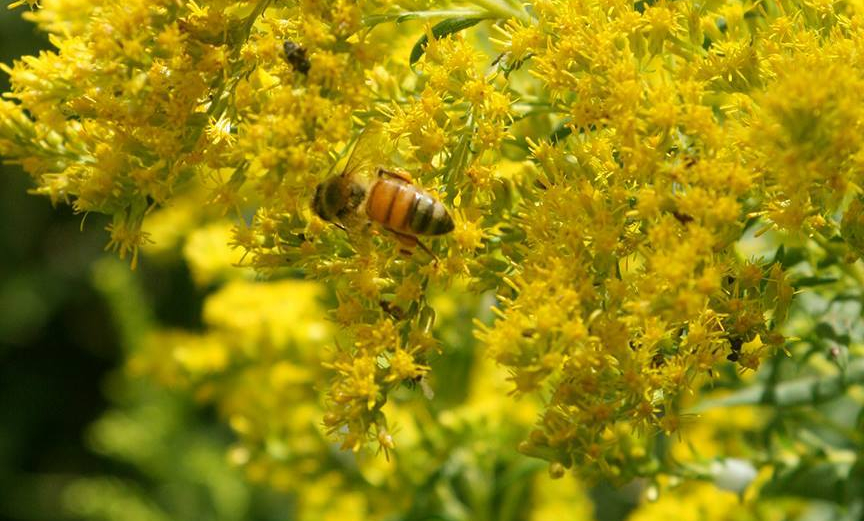
The Chinese lunisolar calendar puts us between 立秋 lìqiū, or start of autumn, and 處暑 chùshǔ, or limit of heat. Certainly the heat here lately has felt limiting, but the term more likely refers to the end of the hottest days of the year. My backyard world fills with haiku imagery for waning summer and impending autumn: katydid and annual cicada calls, birds starting to flock, morning glory and goldenrod, ripe pears, apples beginning to redden, hosts of butterflies. I watch as a hummingbird visits sunflowers, cannas, buddleia, corn tassels, and zinnias. Ripe tomatoes and zucchini weigh heavily on their vines.
Yesterday, a doe nibbled pears while her late-born twin fawns wove between her legs and the Queen Anne’s lace beneath the tree. The air hangs so humid, even the monarch butterfly’s wings seem to droop. A sense of waiting.
And I prepare for the fall semester. Cycles continue: that’s a good thing, isn’t it?
~
Therefore, to engage my intellect when my expressive ability with words seems sparse, I’m reading about theory. Specifically, the theory of the lyric in Western poetics, which turns out to be abstract and scholarly (no surprise, really–theory tends to be scholarly). My guide for this outing is Jonathan Culler’s book Theory of the Lyric. This text manages to be relatively readable despite its terminology; and as the terminology for the lyrical poem encompasses a long history of definitions, rhetoric, explanations, subgenres, and antiquated jargon, the going occasionally gets tough. I’m learning a great deal, however, about poetic experimentation over the centuries.
I now recognize that I have subsumed the idea of lyricism as it came down to American writers through Romanticism (see Hegel). It’s just that the concept of subjectivity in the lyric, and inward-turning emotion and the poet as speaker, has been so pervasive in Western poetics and pedagogy that it seemed a basic premise. Yet it was not always thus, and certainly other cultures employ lyricism differently and view it differently. It’s never an easy task to view from outside what is inherent in one’s own culture, but that’s where books like this one enlighten and challenge.
Besides the theory and historicity of poetry and the task of poetics, however esoteric and abstract, theory texts often elicit from me the urge to move to something more concrete, more creative.
I can only hope.
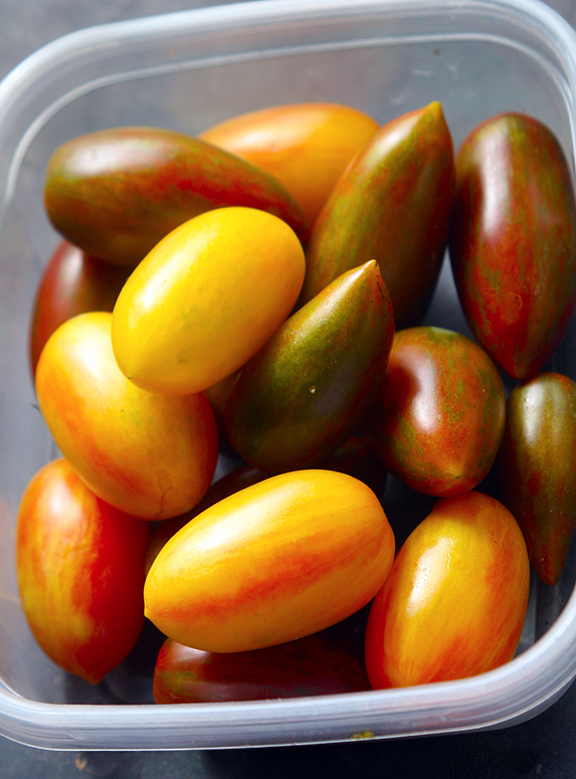


Bounty




 Nicole Rudick, in The New York Review of Books, has already composed a wonderful write-up about The Book of Delights–so I don’t need to. (Do read it:


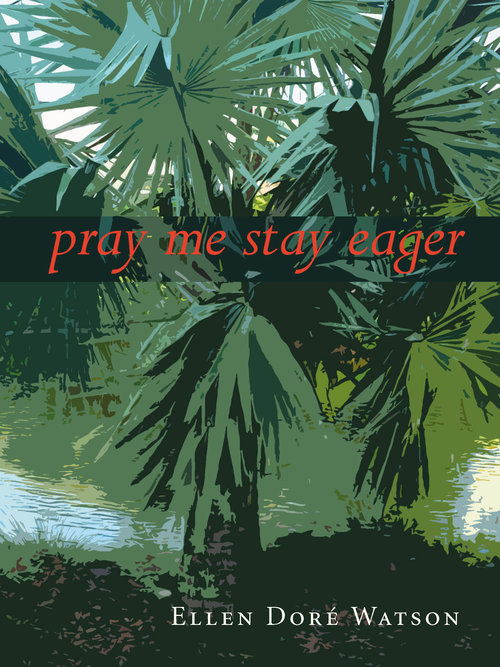 My initial responses to the poems herein vacillated between the intellectual and the…ear? Sound? I guess what I am trying to say is that a significant part of Doré Watson’s poetic craft employs sonic crushes of alliteration and internal near-rhyme, storms of assonant wordplay and sudden stops in syntax; just when the lyrical narrative seems almost to narrate a story, other pressures intervene. The feeling reminds me of times I cannot concentrate, when I’m full of either ideas and intentions, or fears and concerns.
 The language here is clear and fine, frequently musical–a trait I like very much. Matejka’s newer work engages with the ideas society and individuals have about tribes, groups, races, mixing, and this early collection establishes those themes. The voice here strikes me as youthful, newly-minted. But sure in its control of the rhythm and sound of a poem.