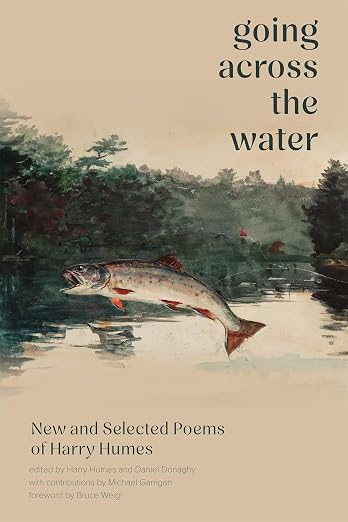
Thanks to Grant Clauser’s gratitude post I returned to Harry Humes’ collection, which I hadn’t quite finished reading before my trip and which, during the Thanksgiving holiday goings-on, I’d almost forgotten about. The last section of Humes’ book calmed me considerably after the minor mayhem and the severe storm we had. Here’s the last poem in his collection:
At the End

of a late August evening
comes a light through maples
and over orange marigolds
a light that eddies over fallen apples
a butterfly light that slows
and begins again
a light like a snake's shed skin
a shiver of light you carry home
like the remains of a season
all but over
~
Today, the first bright day after a stretch of autumnal rain, that poem describes the end of fall as well as it does the end of summer, though the light comes through bare branches in late afternoon, not evening. There are still a few orange marigolds in the garden. Autumn may not yet be all but over, but you sense the feel of Christmas season already announcing itself and winter gathering itself together even on a November Sunday with a high of 62°. I guess it is more of a cultural or social sense of winter than a meteorological one. My stress level rises a bit even though, these days, I am not grading student papers, buying gifts for young children, planning a large family gathering, arranging travel, shopping in crowds, or otherwise ratcheting up the busier aspects of my everyday life. You can’t quickly undo years of habitual hurrying and prepping. The “Energizer Bunny” has run a trench into your consciousness, and it takes years (and maybe yoga meditation?) to soothe the automatic nattering.
The right poem for meditation helps, however. As does a walk along the meadow or in the woods. The challenge–and it may always be the challenge most writers face–is how to find the time and quiet, unencumbered space for reflection and imagination so that you can work. Somehow, I managed, even when I had a pair of toddlers (though I didn’t submit anything for publication for almost a decade). Even when I was working full-time and had teenagers to chauffeur around. Even when there were dozens and dozens of student papers to read and grade, when my parents were ill and in need, when the everyday seemed to be everything…ideas and images, phrases, prompts came to mind and I snared at least a few of them. That’s what writers do. If I don’t write and revise and send out work as much as I’d wish, I’m grateful that I can write nonetheless.
At the end, that will be enough.

