Depth perception

In second grade, I could not see the blackboard from my desk. My teacher noticed; I went to the optometrist, and thereafter began my worsening nearsightedness. New specs annually for many years, broken frames, ugly frames, though–unlike many of my friends–I never lost my glasses because I could not see at all without them. Somewhere along the way, astigmatism kicked in. In high school, I blamed my ineptness at any sport involving a ball on my astigmatism (contact lenses corrected my nearsightedness but weren’t as effective on the misshapen cornea). But my ineptness was largely due to lack of interest in sports.

And now, encroaching cataract formations mean that I’m getting surgical procedures for the removal of those thickened “cascades” that make it hard to drive at night, read street signs, or discern a cat from a fox in the back meadow. I had my left eye operated on this past week, with the insertion of a medium-length lens that gives me 20/40 vision in that eye: a miracle to me after so many years of blur. I have to wait two weeks before the surgeon does the right eye, and in the meantime I’m discovering the true challenges of poor depth perception. My brain hasn’t adjusted to the changes in my eye, and simple things like walking downstairs or pouring tea into a cup pose unexpected difficulties.

Topping things off, I’ve contracted covid for the first time ever. So I am being extra careful as I walk through my house and into my yard–taking a fall due to bad depth perception would be one more problem I just don’t need.

So I have been considering vision lately, and what it means to perceive, to have differences in perspective, focus, framing. Or different cultural and social “lenses,” as we refer to them when we are teaching students to write compositions in college. It is as easy to trip oneself up metaphorically as physically if one pays no attention to such perceptions.

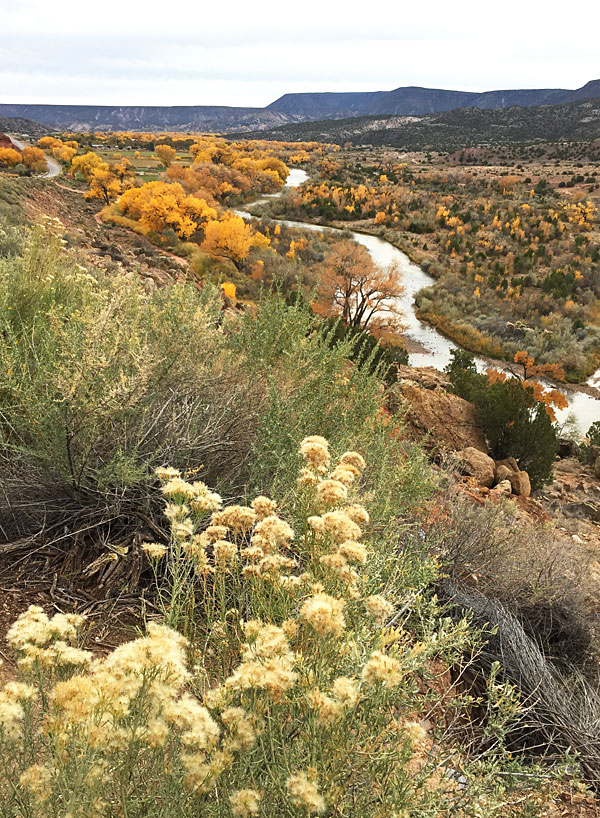
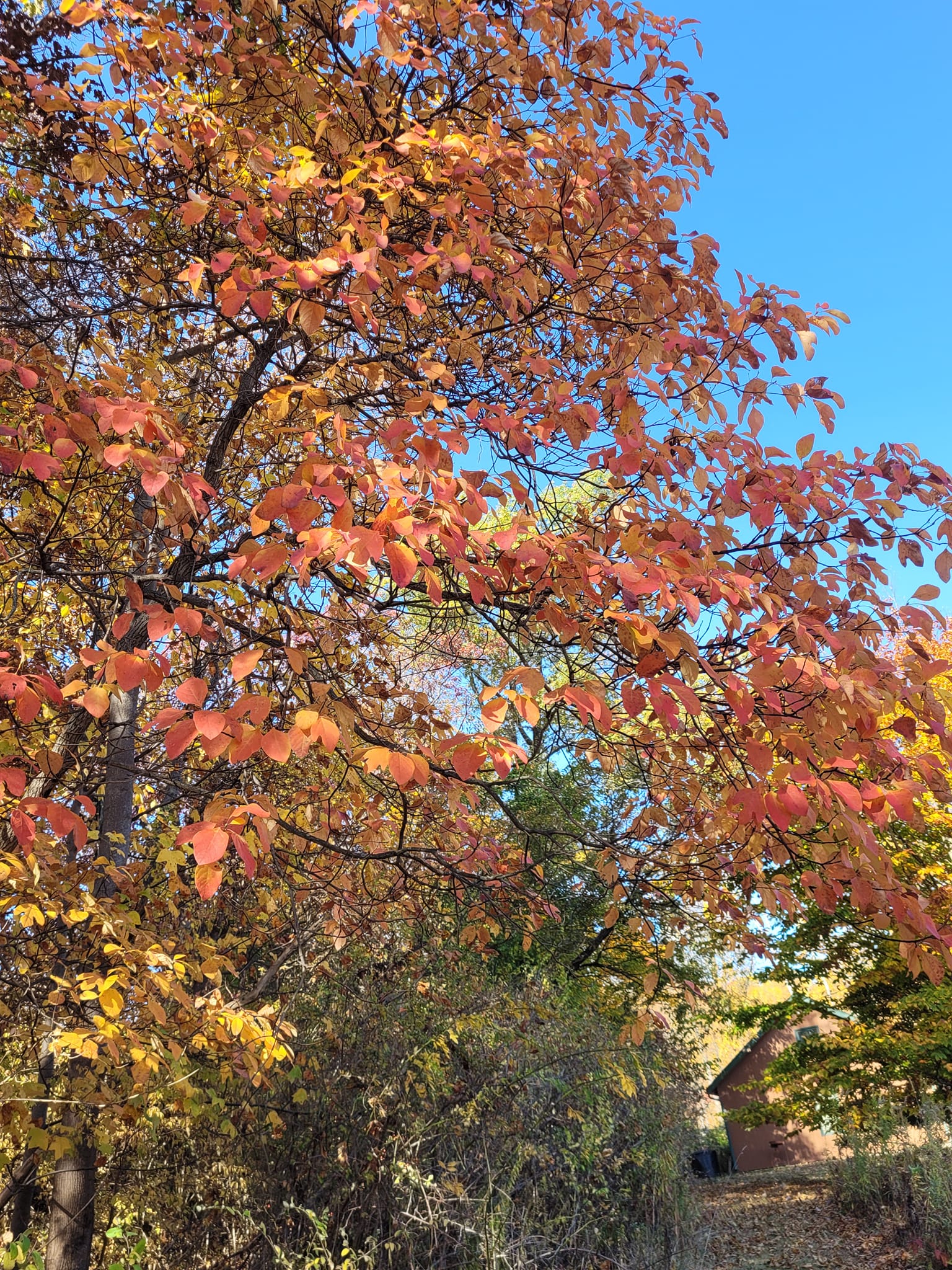
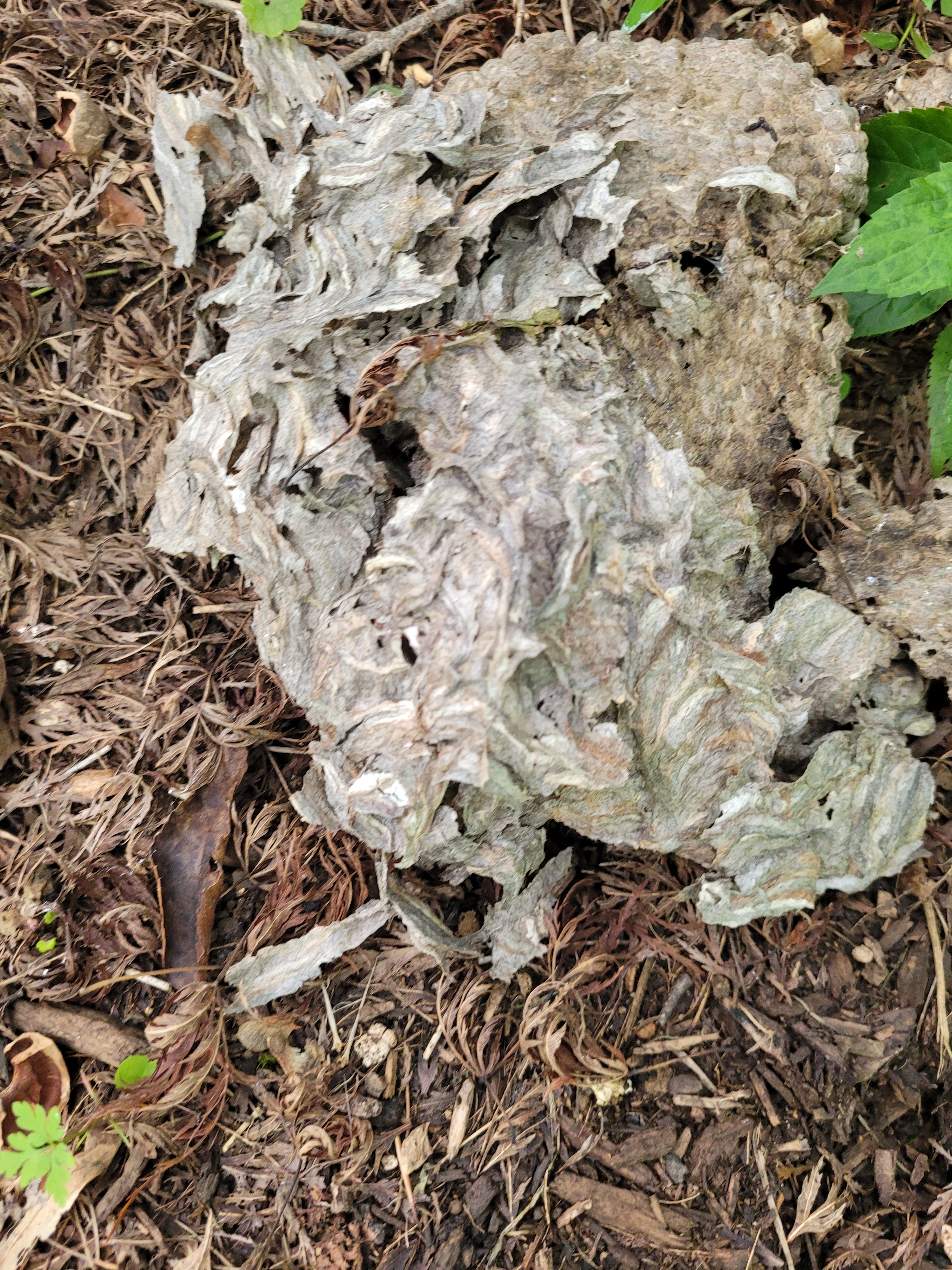
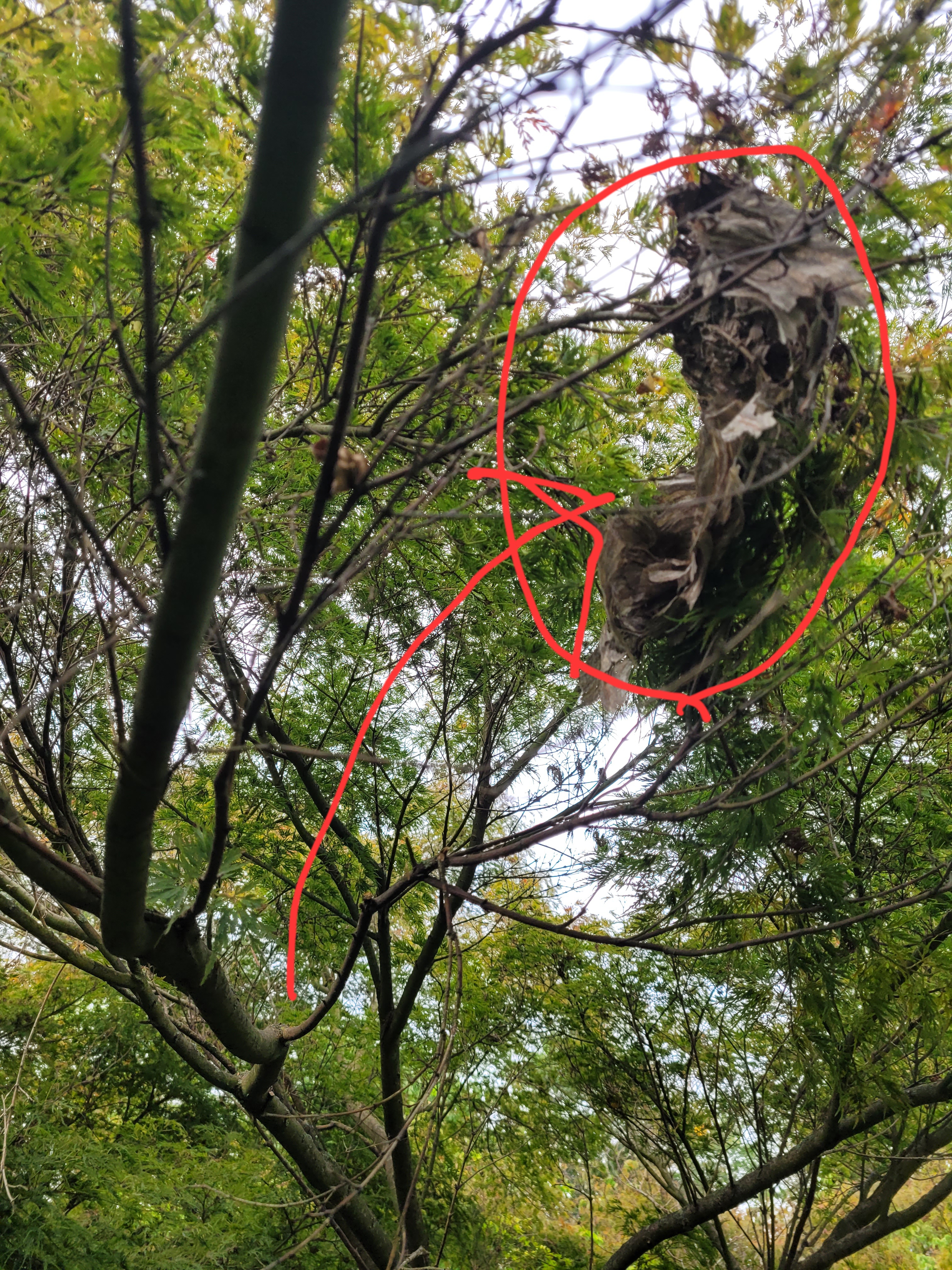
Today, I feel to ill to spend much time pondering. But I have enjoyed looking at the photos–taken from different vantage points and times of day–of the lovely tree on the other side of the riverbed from Joya. Very healing, as trees can be.

Many amazements

Subscribe to continue reading

Subscribe to get access to the rest of this post and other subscriber-only content.

In residence

It’s been some time since I was away at a residency with other artists and writers. Conferences, yes, but residencies are different–more intimate in scope, less social-life activity, more one-to-one conversations, and a great many overlaps in interests, inspirations, and approaches. The intensity doesn’t feel at all like the intensity of a large conference such as AWP, where I often feel I must cram my schedule with panels, meet-ups, and attendance at presentations and where the exchanges, while often intellectual, generally require the context of careers and situational details. At a residency, we certainly don’t avoid topics like families and day jobs; but such getting-to-know-you chats are secondary to conversations about art, artists, reading, technical methods, responses to environment, discussions about intent and audience, aesthetic and artistic philosophy.

A residency also offers that key component of creativity: unstructured time (or, time one gets to structure to one’s own liking). I cannot stress enough the value of reflection, contemplation, and woolgathering; the residency I attended in Spain offered this to a degree I haven’t had in quite some time, and I relished it. I took along Olga Tokarczuk’s book Flights, perfect reading for a plane-bus-train trip, and Mark Doty’s Deep Lane, contemplative and fearless poems that urged me to spend the necessary time with my thoughts and my environment.

~

It was interesting to hear about the methods and processes of other participants who were there the week I was. While all of them write in some form, their creative work is visual: Photography, film, digital art (animation, 3D, comics), performance/performative art, painting, multimedia. At first, I felt a bit out of step since what I “produce” is…well, abstract, I guess? And the means a person uses to create poems is mostly invisible; it’s not as though you can see us at work. A person at a desk, sitting on a rock, or lying under a tree doesn’t appear to be in the process of making anything and, except when the written work appears in print/online, the “artwork” isn’t something one can show to others. As I began to converse more with the visual artists, however, once again I experienced the joy of discourse with fellow creatives, no matter their discipline. I certainly have friends who are sculptors, painters, photographers, ceramicists, dancers, musicians, actors, & craftspeople of all stripes–and I don’t feel out of step when talking with them. I suppose it is my initial hesitation around “strangers” that kicks in. Shortly into the residency, we were no longer strangers.

The word la joya is Spanish for “jewel,” and it can also refer to a geographic hollow–a bowl-like area, which is fitting since the cortijo is situated in a sort of high valley surrounded by the mountains of the Parque Nacional de Sierra Nevada. On my last day at Joya-AiR, we held an artist talk to inform one another of our creative work and processes, influences, and possible future directions we imagine our work going in. Some of the other participants will be working there for another week or two! Which would be lovely, but I could not extend my stay at this time. Nonetheless, the residency has been very useful and productive for me. I feel so grateful to the people at Joya and to my Best Beloved for encouraging me to attend.

Good w/words

I hear it often from people: “You’re a writer, you’re good with words.”

What I’m reflecting on while in a space where I have the time to reflect is that maybe, some writers are those folks who are not by nature “good with words.” Words, we may have, yes! We love words, love to read, love books, love poetry, love language. But that doesn’t mean that words come easily. We may have to work for and with them, rearrange and revise, check meanings and spellings, consider etymology and new ways of using words.

It may be we wrestle with them and, like Jacob with the Angel, find the process causes injury as well as revelation.

A study by Marc Chagall for his Jacob Wrestling with the Angel, ca, 1963

Writing may be a cat that follows us home when we really have nothing to feed it and our apartment building doesn’t allow cats, but there it is: needy and appealing, sitting on our doorstep.

For many writers, words are hard. As Virginia Woolf wrote, “Oh to be silent! Oh, to be a painter!” Some writers might prefer to be making a non-wordy art. Less energy to expend on how to say.

I know I can speak for a few writers when I state that, at least sometimes, words can be easier to write than to speak. If I’m chatting to somebody about my family or the garden or my opinions about online learning management systems (LMSs), I don’t usually have trouble with words. Those concepts stay within the familiar and the easy-to-express, even among people I barely know. In such conversations, I can be lively, make jokes, have opinions, and tell stories. This is social speech of a casual sort, even when the subjects are often close to my heart (well, not LMSs…).

But many things that are either more philosophical or more deeply reflective, even intimate, evade me when I try to say them in conversation. Questions I have, I may fear to ask. Describing a feeling, sensation, or emergent idea can be so difficult I decide just to stay quiet, listen to what I can glean from others. If my fellow conversationalists are patient and sympathetic and stay with me through more abstract, emotional, or artistic/philosophical topics, I will still find myself losing the thread of my sentences and tapering off into gesture. Gesture covers (badly) what I can’t seem to put into words. Even though I am supposedly good with words.

Later, I may endeavor to express in writing what I wanted to say when I resorted to silence. Writing is not the heat of the moment–there can be revisions, honing of concepts, maybe some research to cover the various vague lacunae during which I’d previously resorted to shrugging. Shall we say: clarification of thought through better words in a better order.* I may never learn to be adept at succinct intellectual conversation, but I can eventually get to compression of language for effect in a written text.

That would be enough. Or maybe it’s as David Kirby writes in his poem “The Wreck of the Edmund Fitzgerald”— “Writing isn’t hard./You just have to be patient. You just have to get/everything right.”

~

*Samuel Taylor Coleridge‘s definition of poetry: best words in the best order.

What are we doing here?

What is a self-directed, multi-disciplinary, eco/environmental artists’ residency? Why are we here? Or, since I can only truly speak for myself, why did I choose to participate in this experience, off the grid in the only true desert in Europe, with people I had never met? Several of my friends have been asking me these questions. I couldn’t really answer in advance because I had no data! I chose to come here partly to get some time alone, partly to visit the land where Lorca lived, and partly because everything would seem new to me.

Not everything seems new to me, as it turns out. Which is also something I expected. For example, my college experiences, both undergrad and graduate, were largely self-directed and multi-disciplinary; what’s changed is that now art disciplines include things like 3-D imaging, computer videos, podcasts, software-as-medium, and the like. Even blogging (here I am, composing creative work for humans to read through a computer screen). For example number two, the artists here are not so different from artists I have met in many circumstances and places over the years: they are curious, intelligent, creative, willing to take risks, and often quite mindful. Another example of things not so new is that, having spent a bit of time in the Albuquerque NM region recently, the lay of the land here and its exceptional flora, fauna, and aridity are not completely alien to my sensibilities.

I’m seeing a number of ideas about xeriscaping, creating fire-breaks, and about stopping erosion and saving water–such as environmental water systems that include basins, ponds, and plants as filters–in process or already in use here at the cortijo. We watered seedlings using water from an in-progress swimming pool near a small natural pond (one of only a very few up in this region) where the natterjack toads were croaking contentedly. The orchard is not producing much, as the trees are still small; but in a few years the farm should be able to get much of its fruit on site.

I’ve learned about the environmental history of this region, too, and how it has changed as the ecological ravages of humans have both worsened it and tried to revive it over centuries. In the Neolithic era, there was more rain. Bison roamed here, and people set up hunting camps in caves. Millenniums later, the Moors settled in the 11th c, built fortresses and small castles up in the hills. The close of the 15th century signaled the rise of noblemen, haciendas, bustling towns and small farms (cortijos)…and major deforestation. During the 19th c, the imperial government instituted a plan to reforest areas of what is now the park, and the economy grew, with more small farmholders; then the economy and population shrank in the 1950s and 60s when the climate became harder to deal with and infrastructure available elsewhere (electricity, paved roads, etc.) hadn’t gotten up to the mountains. People left for the cities. There are many abandoned houses/farm structures here.

Joya-Air explores and promotes sustainability, through mindful conservation and technology that uses fewer resources, along with creativity: art and ecology. The organization is “an advocacy association for ecosystem restoration / rural culture and residency for international contemporary artists and writers.” Simon Beckman is the curator/founder.

People volunteer at and attend or participate in these sorts of residencies and experiences for a host of reasons. For me, it’s a chance to switch perspective, view things from a place far from home, compose poems in a quiet space meant for just that–creative thinking and reflection. To inhabit, however briefly, a place intended to coexist with the flora and fauna, to find out what “off the grid” is like. And to learn new things, all of which contribute to the art of poetry.

Change of scene

Land of Lorca: Andalucia, Spain. I haven’t traveled out of the USA in 7 years, and the travel-abroad process has changed a great deal in response to covid and the use of the ubiquitous cellphone and its hosts of apps, so this trip has already been quite the adventure. No problems, however–despite my primitive Spanish language skills, people have been kind and helpful. The cellphone plan we thought we had acquired did not turn out to work in Spain for reasons I can’t explain, so I have been traveling old-school using maps instead of Google and without access to handy translation software.

You know what? That is how it used to be, and we managed somehow. I am learning a lot and viewing everything as adventure. Even the occasional snafu.

But here I am. A couple of miles from this:

Almond trees and La Muela in Almería Province in southern Spain, at an artist residency hosted by Joya-AiR. They are also on Instagram, if you are interested.

~

I guess I’m the resident poet this go-round; among us there are a photographer, a graphic artist, and two multi-media artists and they hail from UK, Canada, Italy, and USA. I have been here half a day and am already full of ideas and have had interesting conversations and have enjoyed meeting a dog named after Frida Kahlo and a goat named Fou-Fou.

This post is just a say-hi and to share my enthusiasm for this beautiful rugged place and the people who want to get into their artist-zone here. More later.

The courtyard patio of Cortijada Los Gazques, Velez Blanco

Close of the cruelest month

Full moon began the week as April reaches its closing days–when the redbuds and ornamental cherries are at their peak and the apple trees bloom. Soon the lilacs will open, and oak catkins will send chartreuse pollen all over the deck. Then there will be peonies and irises. I love the first weeks of May but this year will be missing some of those days. I’ll be traveling.

Because I have to prepare for my trip, attend a friend’s memorial, and prep the garden for my absence, this is my last post for National Poetry Month. I’ve chosen a poem from my book Water-Rites, a quiet poem that has always felt near to my heart. Maybe because I romanticize childhood, who knows. At any rate, I hope your poetry month was beautiful and that you continue to read and enjoy poetry. Thanks for reading mine this month.

~

On Having Lost the Confidence of Birds

Once, I was very small,
prone to long silences
and spells of aimless drifting
in the world's embrace,
staring at ants in their
grainy colonies, patterns
of activity, the slender
waists and legs,
frantic antennae waving
at me so I seemed,
for an hour, large.
Once, I could skip and sing
until dinner time, but chose
to lie front down among
dandelions, decided to watch
the skip and sing of bees,
their several kinds inducing me
to wonder about categories--
What Will or Will Not Sting--
and marvel at the dark swift birds
that lived in the martin house
and found bees edible.
In those long days I was
no threat, a quiet object
natural in the grass and breathing
at the meadow's pace.
I had not lost, yet,
the birds' confidence
nor learned how not to trust
my own body
in the world's embrace.
~

Grieving

I composed this poem during the pandemic not too long after my father died. It’s interesting how one responds to grief. The grieving man in this poem is not my dad; he died, I think, without too much weighing him down. He may have intended to live longer, but he was ready enough. I don’t think he had many regrets, and I know he felt loved.

And the grieving man is not my brother, though it could have been–he had a dog that was a great comfort to him while he mourned our dad, but I don’t think he was as gobsmacked with sorrow the way the person in this poem is; Dad’s death was not a surprise to us. The man in this poem isn’t symbolic, however, much as he may be a creature of my imagination. As the writer of this poem, I sense him as someone quite specific, whose loss was deep and perhaps unexpected–maybe a person whose loved one died from covid-19. A person who, like all of us, needs comfort and compassion; and I suppose this poem implies that the grieving man has someone, perhaps an adult child, who willingly extends that compassion in return: “lean your head/against his shoulder as you used to do/when you were small and aggrieved by/the world’s unfairness, and he sheltered you.”

A year or so later, I returned to the poem to do some revisions. Sheila-Na-Gig published it online and, much to my surprise, nominated it for a 2023 Pushcart Prize (a long shot, but an honor to be nominated). It’s my intention to include it in my next manuscript–the one I am working on now. I’m not holding my breath about when the next collection gets published; could be years. But I decided that this would be the poem to read for the Berks Bards 2024 poem-a-day project on BCTV this April. The link to my reading of this poem is here.

~

Grieving Man

Let him into your house, the grieving man,
blind, nearly, and so frail with sorrows
he cannot hear your comforting words
or move himself from room to room
without assistance. Give him
a careful bed, a friendly dog, a view
of mountains. Let yourselves open yourselves
to what he can give, hampered by limitations:
yours and his.

In a time of no touching, take his hand
in yours. In a time of isolation, lean your head
against his shoulder as you used to do
when you were small and aggrieved by
the world’s unfairness, and he sheltered you.
We turn about and find the unfamiliar.
When did he become the grieving man
and you sorrowful, in pain yourself, aghast
at the supermarket, the oil bill,
the nation?

He savors the soup you’ve made
and strokes the dog’s snow-dampened fur.
He asks whether the juncos still hop
on frost’s thin crust or if winter has
moved on north, a swath of crocuses
blooming in its wake. You rally your resources,
endeavor to describe the current moment
blind as you are and sorrowful, spreading seed
for the sparrows.

~


Photo by Alexey Demidov on Pexels.com

Headlines

Headlines. They make us so worried, so anxious, so scared. That was true when I was a child, in 1968; it’s true today. The poem below, which appears in Abundance/Diminishment, is one I wrote eight years ago. It remains relevant. And it is an April poem.

~

At a Birdfeeder

Woodpecker works at sunflower seeds
intent on his hunger
deaf to blackbirds’ territorial ambitions,
wooing robins, chickadee’s agitated perch & dip
at feeder’s edge.
Woodpecker makes of his head
a bright gimlet, his claws anchored on an eyebolt.

I watch a redwing drift
on the last morning breeze of April,
a spider’s line trimming the porch rail.
Woodpecker revels in the easy meal
we’ve provided, doesn’t know
about the sack of seed in our garage,
the price of bulk feed, acres of sunflowers
blooming in Iowa, Kansas, Mexico
chaff at the processing plants
allusions to van Gogh, pollen-packed bees
in their yellow jodhpurs.

That’s human knowledge: mine,
yet I’d rather dwell on turkey calls
vibrating the nearby woods, the labor
of wild cherry petals landing on dew,
grass, and feeder where the woodpecker—
still famished—writes the morning news
in bold headlines amid hickories,
that being all the news that matters
in this moment.

~

Interview & discussion

This TV interview was interesting to participate in, and I loved chatting with Marilyn Klimcho! She put me at ease, which is hard to do in front of cameras. I have watched the whole 20 minutes without hating myself or feeling too embarrassed. (Hooray?)

Is the show entertaining? Well…you have to be interested in poetry and poets, I suppose. Feel free to check it out. The link above should take you to the YouTube video.

~

National Poetry Month does, it turns out, raise the public’s awareness of poetry at least a little. Recently, I was invited to be a guest at a weekly online discussion of poetry and spirituality. The participants had been reading and discussing my poem “Deity’s Diary” and asked me whether I’d be available to read the poem and then discuss it with the group members at one of their meetings. They even sent me recordings of previous meetings’ discussions. I find it fascinating to learn how readers interpret my poems, what they get out of the work; so of course I obliged.

The group members asked intriguing, intelligent questions–clearly, they are accustomed to talking about poetry. That was refreshing, and it kept me on my toes. I learned that my poem (which is in four parts, so maybe it is poems) is doing the work I hoped it would do, at least with this group of careful and reflective readers. “Deity’s Diary” is intentionally paradoxical and questions many of western culture’s received ideas about god. It’s also pretty presumptuous, since I chose to write it in the persona of a deity…but, like all poems, it is decidedly a work of the imagination. (No, I do not consider myself a god!)

The discussion ranged from philosophical, scientific, and theological concerns to the nuts and bolts of writing and revising a poem, where I get my ideas, what the major influences on my work have been, and lots of other topics. Seldom do we lesser-known writers get to hear back from readers, especially in such detail–so this event felt like a real treat to me.

One participant said that reading these poems was like walking through an unfamiliar forest, not on a straight path, with possibilities of obstacles and turns in the track and the surprise of wildflowers, mosses, or lovely birds along the way.

That made my day.