A handmade book is generally made of paper (I’m sure there are imaginative exceptions). So I went looking at paper for the cover of my chapbook-to-be [previous blog will explain]. Even at my local art supplies store in a suburban region, I felt a bit overwhelmed by options. But after my initial excitement about the marvelous diversity available, I settled down to think about the book, its content, its context. Color. And the feel of a chapbook in one’s hand: all of those things should rightly affect design choices, I believe.
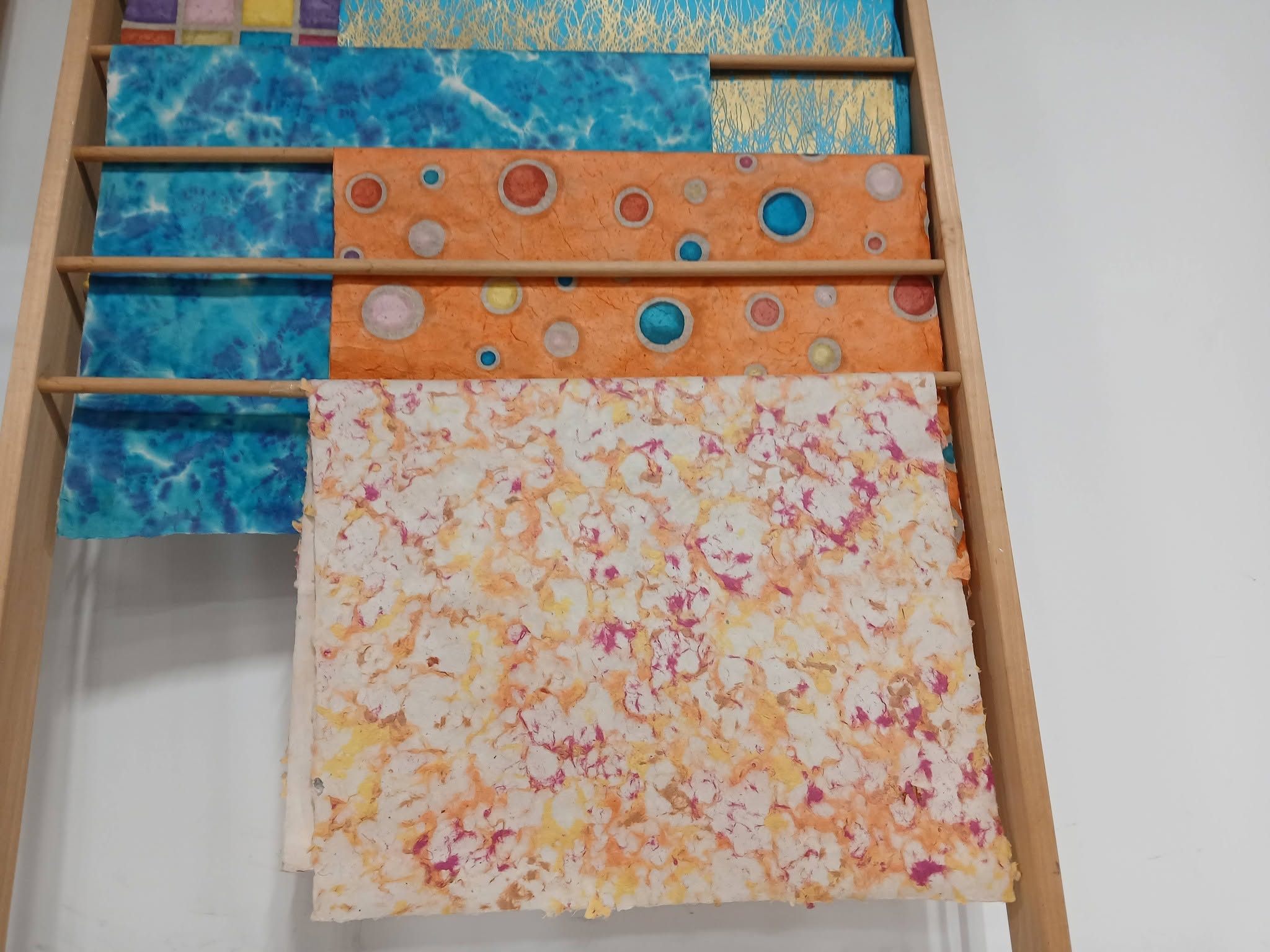
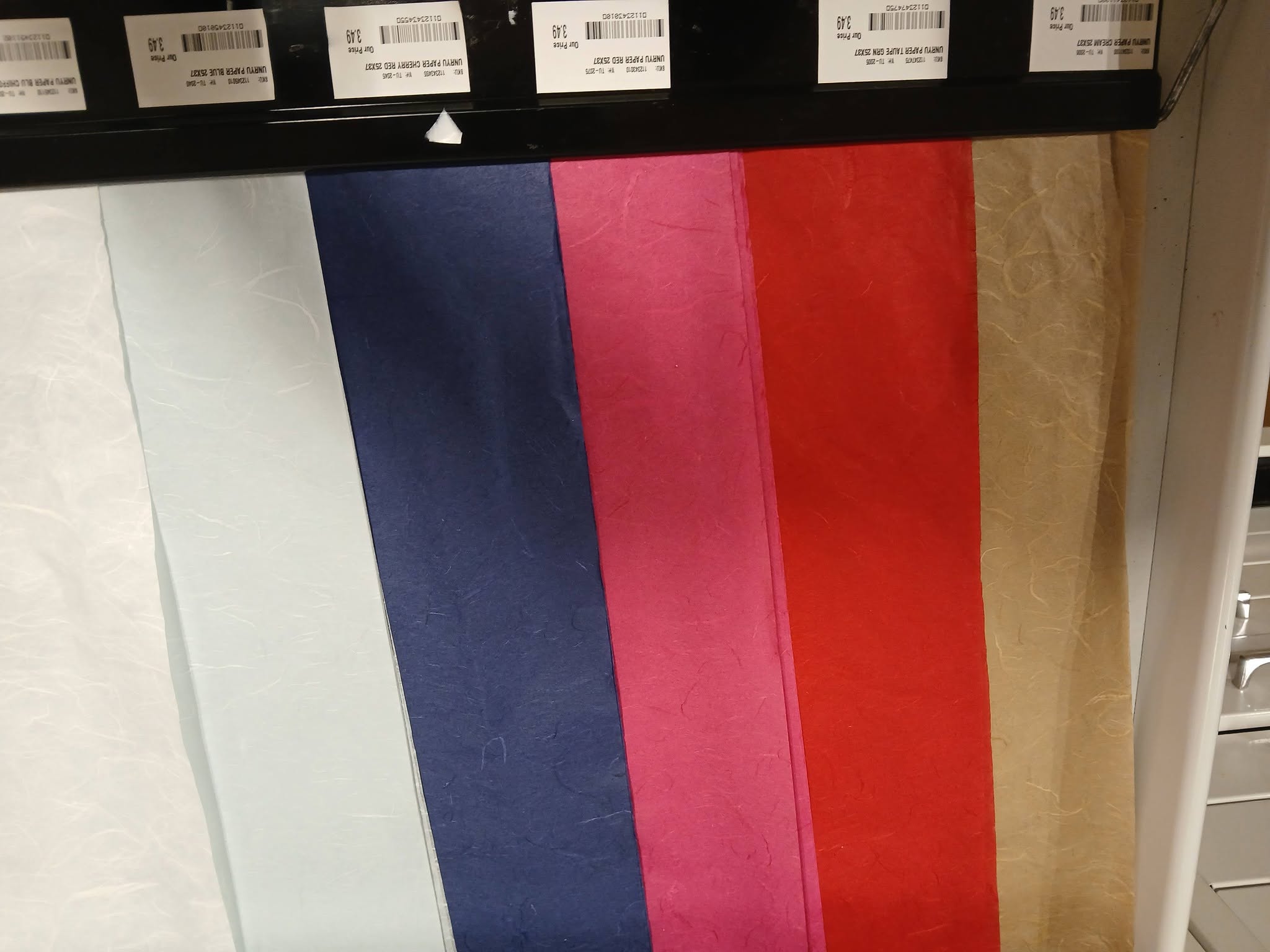
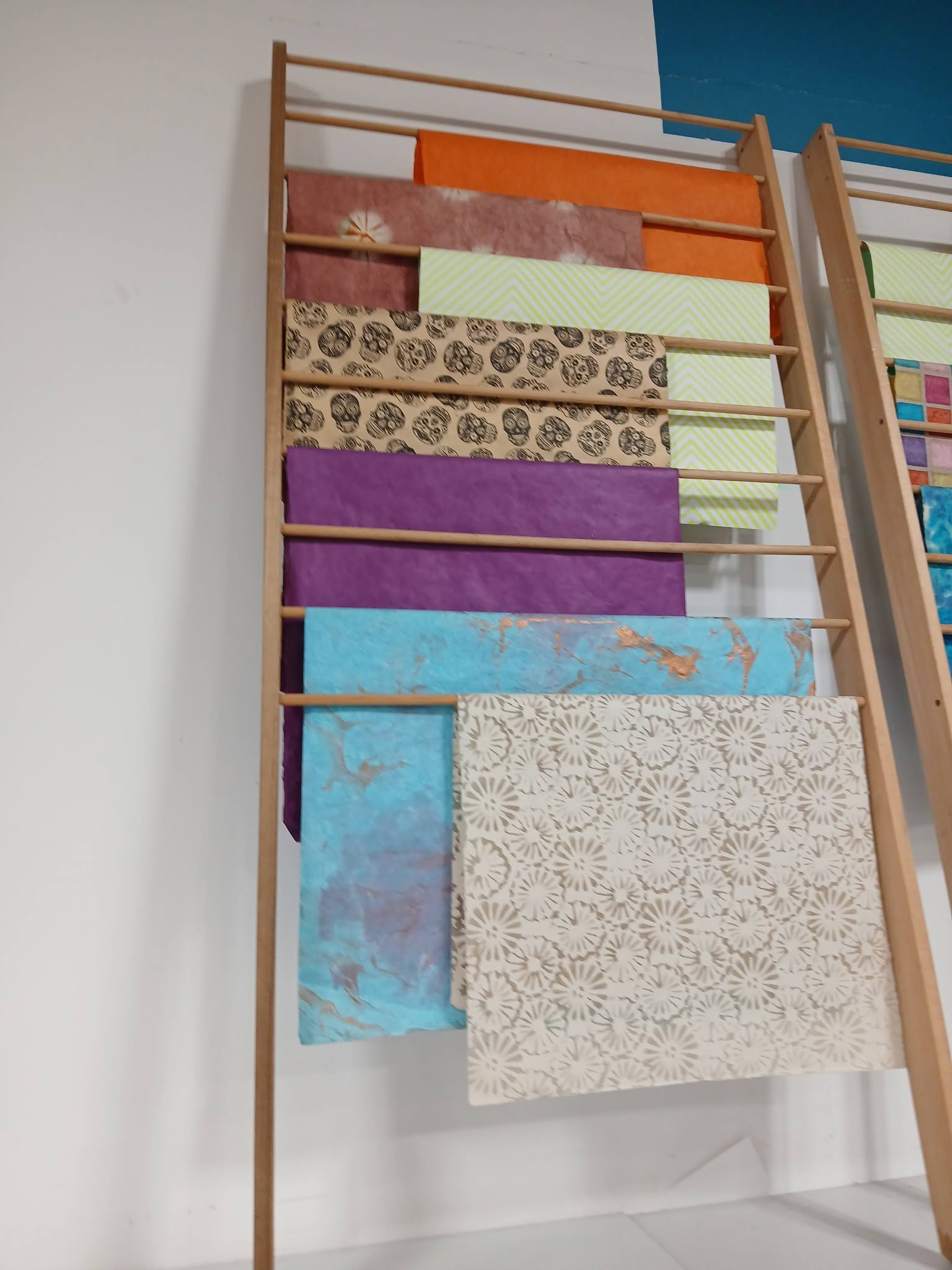
Fancy, decorated papers are appealing, but they won’t work for this project. It’s not a cheery story. Perhaps colors of the North Korean flag? Um, no; the colors of the DPRK are…red, white, and blue! (Though a deep red is an intriguing possibility). MaryAnn Miller showed me a lovely black paper she has used for artist books, but I have decided that isn’t quite what I want, either. Anyway, aside from color, there’s also the paper’s texture to consider, and whether digital printing will work on it.
So many decisions!
Thinking about paper brings to mind my on-and-off obsession with ephemera over the years. I do love paper and things made of it, things that are probably not meant to last, and are fragile or easily destroyed. I’m not the only human who feels this way, which makes me wonder why ephemera is so appealing to some people, while granite or marble monuments are so appealing to others. I enjoy visiting Apport Used Books, the bookstore itself and its Instagram online “catalogue,” because Ben is one of the folks who finds, sells, trades, and shares postcards, letters, photos, chapbooks, poetry books, occult items, poetry broadsides, collages, and other fragile and nearly-lost things. I can drive over the hill and get my fix of wonders, though I don’t buy much because these days I’m trying to cull my own collection of books and oddments.
I also wonder why some of us write poetry, and others among us need to create architectural wonders. Which is no guarantee of lasting into the future: think of Antiochus I, whose tomb and history was lost for millenniums, while Sappho’s poetry fragments and Beowulf remained active in the minds of humans, who are certainly ephemeral creatures.
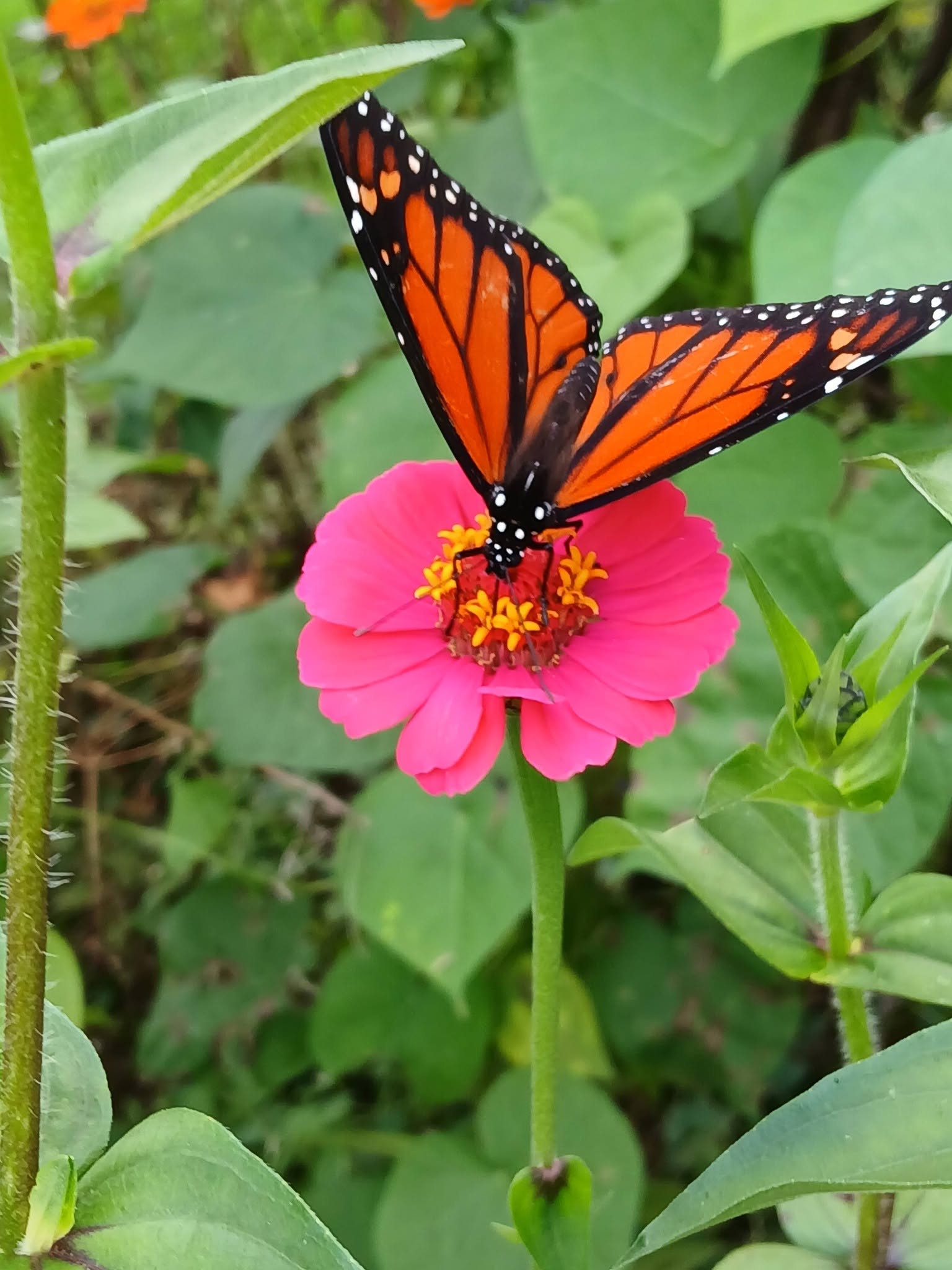
I don’t expect my current poetry chapbook project, or any work of my own, to live on after me. Paper and humans–we don’t last long on earth. Like butterflies, so temporary and so fascinating.