Paper

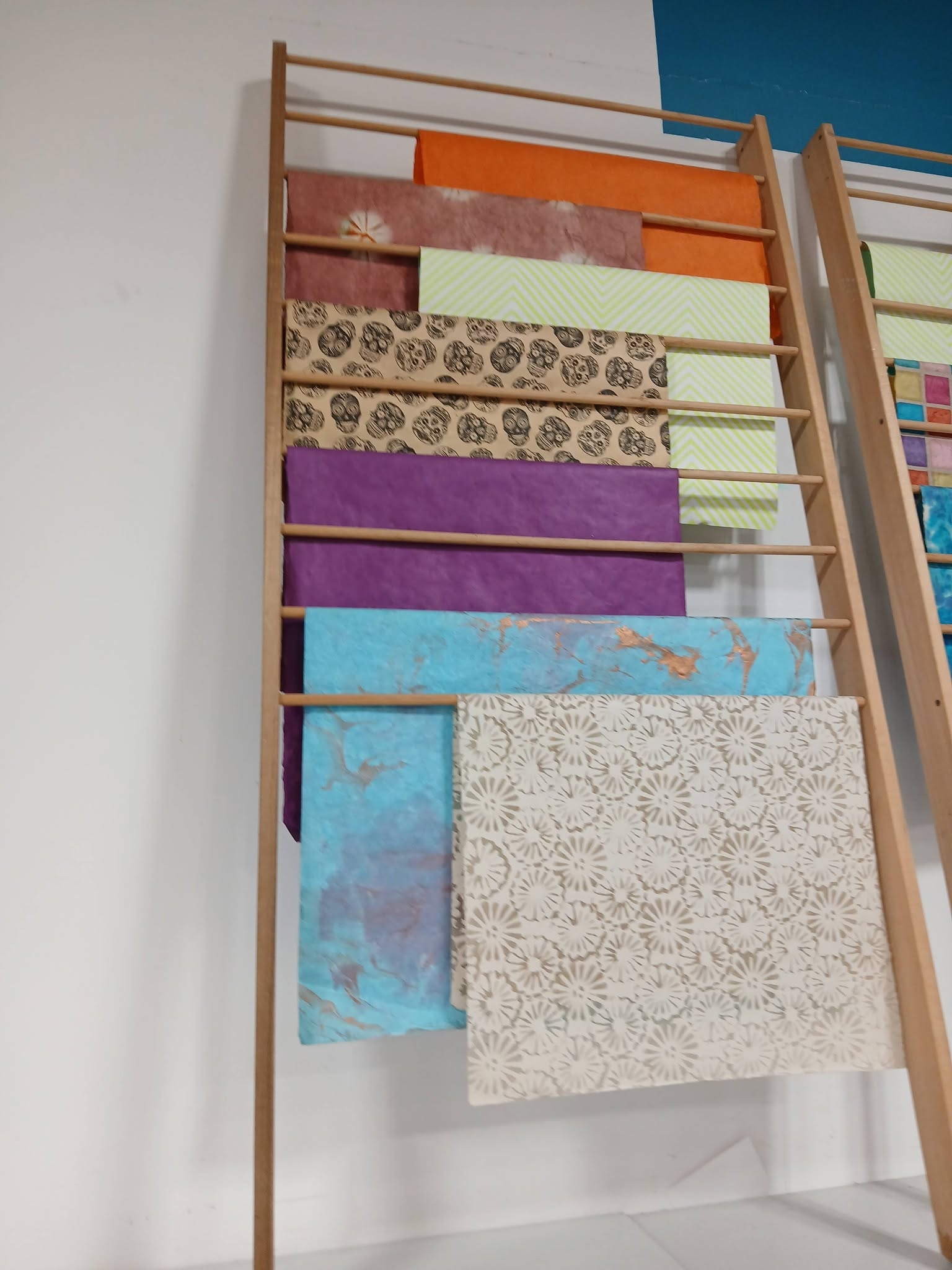
A handmade book is generally made of paper (I’m sure there are imaginative exceptions). So I went looking at paper for the cover of my chapbook-to-be [previous blog will explain]. Even at my local art supplies store in a suburban region, I felt a bit overwhelmed by options. But after my initial excitement about the marvelous diversity available, I settled down to think about the book, its content, its context. Color. And the feel of a chapbook in one’s hand: all of those things should rightly affect design choices, I believe.
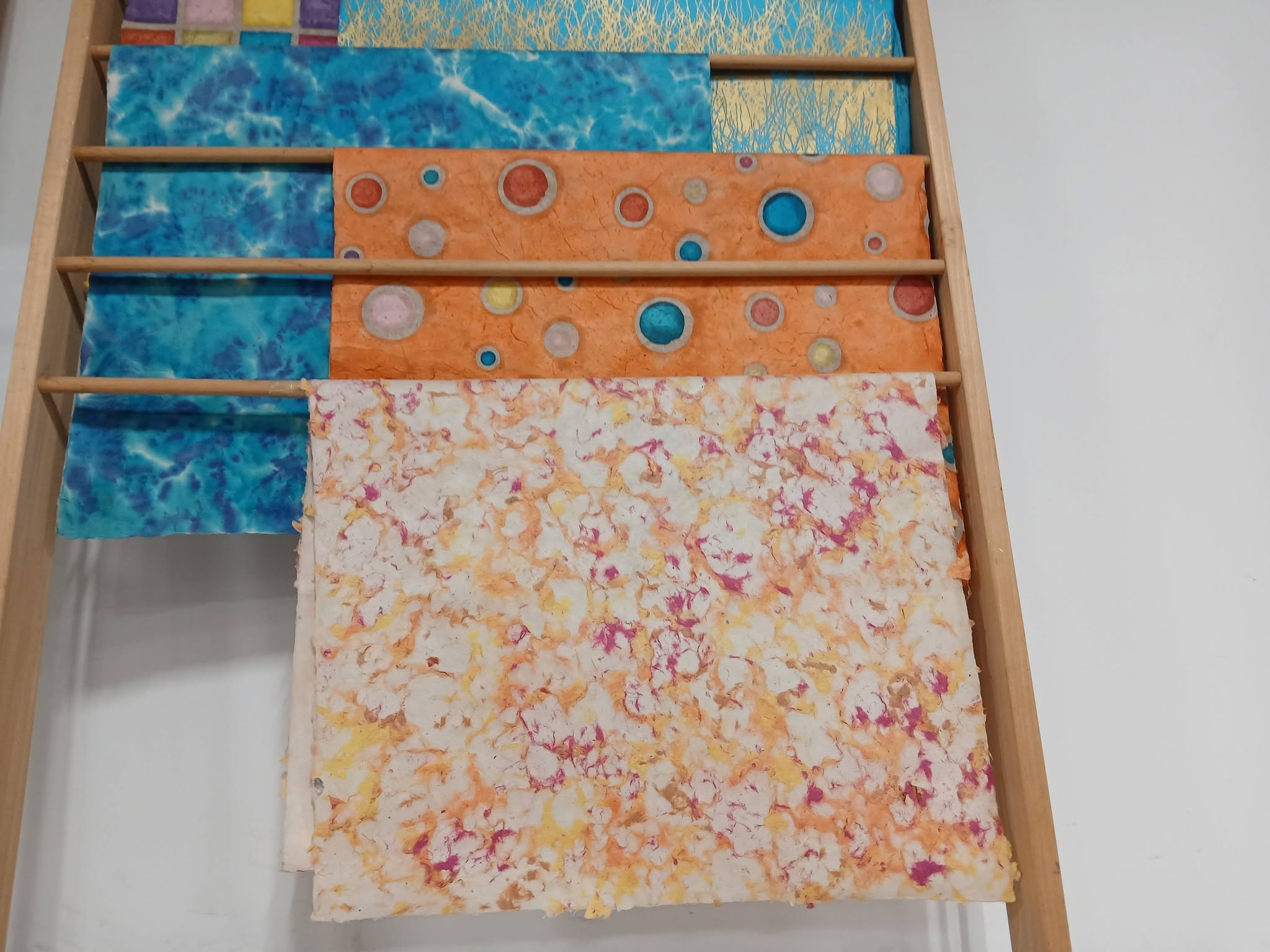
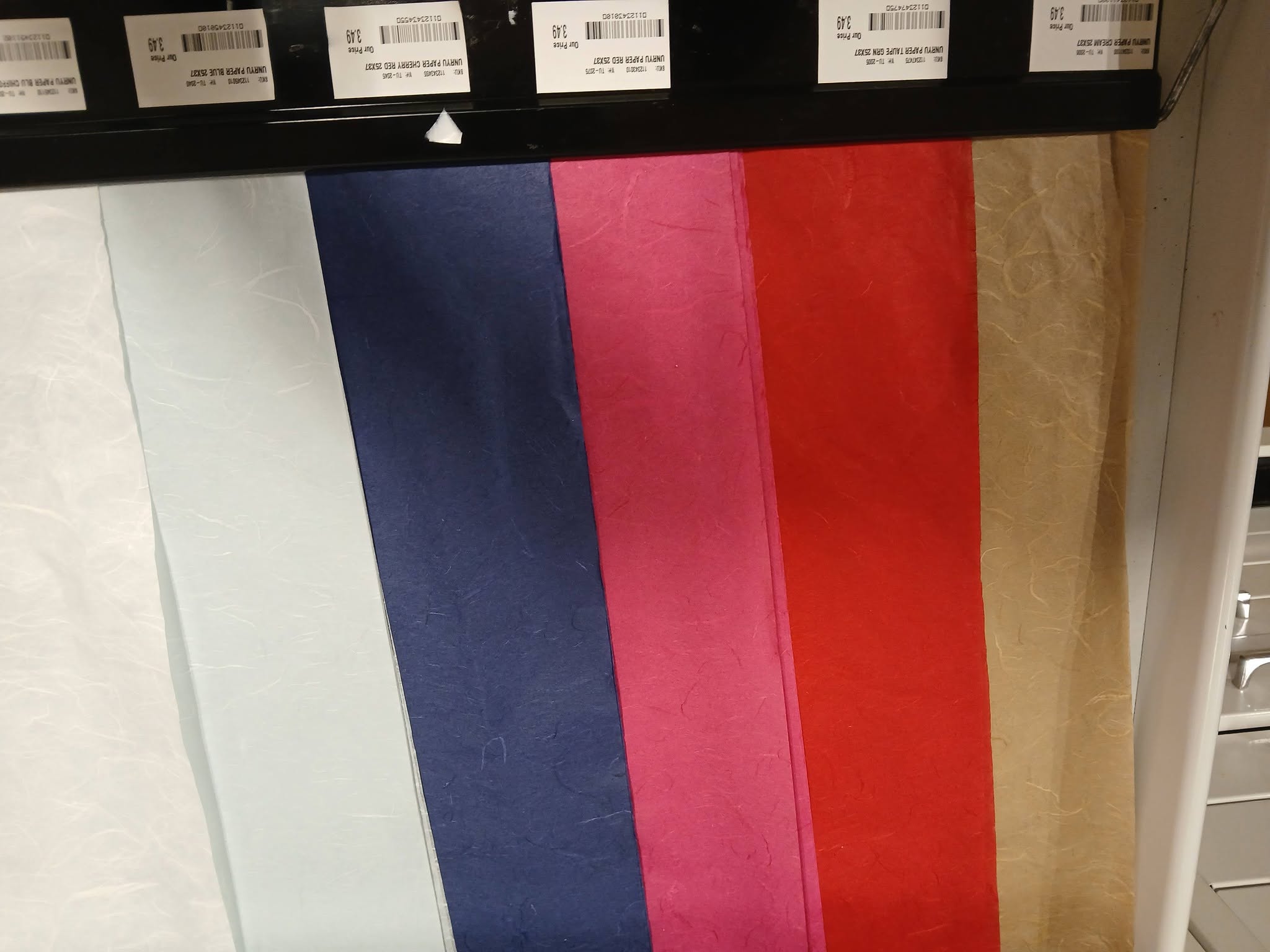
Fancy, decorated papers are appealing, but they won’t work for this project. It’s not a cheery story. Perhaps colors of the North Korean flag? Um, no; the colors of the DPRK are…red, white, and blue! (Though a deep red is an intriguing possibility). MaryAnn Miller showed me a lovely black paper she has used for artist books, but I have decided that isn’t quite what I want, either. Anyway, aside from color, there’s also the paper’s texture to consider, and whether digital printing will work on it.

So many decisions!

Thinking about paper brings to mind my on-and-off obsession with ephemera over the years. I do love paper and things made of it, things that are probably not meant to last, and are fragile or easily destroyed. I’m not the only human who feels this way, which makes me wonder why ephemera is so appealing to some people, while granite or marble monuments are so appealing to others. I enjoy visiting Apport Used Books, the bookstore itself and its Instagram online “catalogue,” because Ben is one of the folks who finds, sells, trades, and shares postcards, letters, photos, chapbooks, poetry books, occult items, poetry broadsides, collages, and other fragile and nearly-lost things. I can drive over the hill and get my fix of wonders, though I don’t buy much because these days I’m trying to cull my own collection of books and oddments.

I also wonder why some of us write poetry, and others among us need to create architectural wonders. Which is no guarantee of lasting into the future: think of Antiochus I, whose tomb and history was lost for millenniums, while Sappho’s poetry fragments and Beowulf remained active in the minds of humans, who are certainly ephemeral creatures.

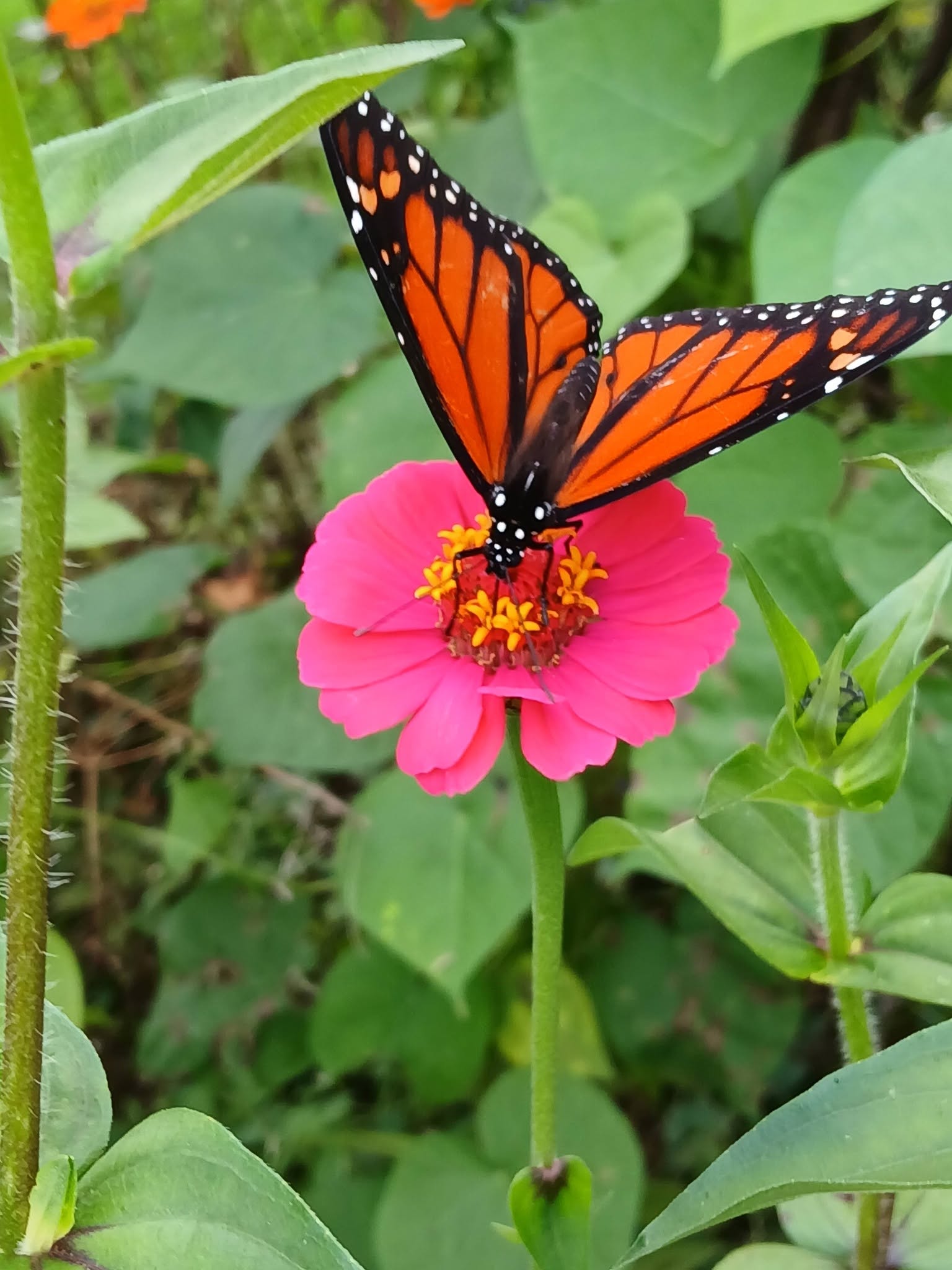
I don’t expect my current poetry chapbook project, or any work of my own, to live on after me. Paper and humans–we don’t last long on earth. Like butterflies, so temporary and so fascinating.
Blue

At one of our local used book stores,* I found a copy of William Gass’ 1976 On Being Blue: A Philosophical Inquiry. Gass writes in a style one might term prolix; but if you are like me and sometimes appreciate lists, wordplay, allusions, lengthy sentences, and fine distinctions in your sentences–as well as humor–while exploring the limits and the stretches of words and language, this book-length essay on the word/concept/color/iconography/sexual innuendo/moody attitude and conflicting meanings of the word blue might appeal. I’ve been feeling a bit on the blue side lately, hence my attraction to the book (though I do like Gass as a writer, as long as I don’t have to read too much of him at one time). And guess? It cheered me! [I will caution the reader who avoids the use of “bad language” that Gass employs such words in this essay, for purely intellectual reasons…]

Granted, my feeling blue has a different tone from other uses of the word: blue postcards, sexual meanings of blue–I’m reminded of the movie “I Am Curious (Blue)” which was considered racy and given an X rating when I was a kid, though the blue in that title referred to the Swedish flag, apparently. My blue is the blue of songs like “Baby’s in Black” or Joni Mitchell’s “Blue” album. Or just that classic music form, the blues.

And I’ll get over feeling this way. That’s what moods are: feelings that come and go, transitory. It always seems as though low moods stay around longer than neutral or cheerful ones, but many scientific studies show that it is our perception and memory of the negatives that make us think we are sadder for longer. Even Wikipedia has an entry on negativity bias, with some sources if you want to check things out yourself. As I age, I realize that bad moods and sad events and past mistakes don’t need to stick around as much as I used to think. A bit of mediation, some practice and readings in Zen and in psychology, a lengthening perspective on life’s vicissitudes, some counseling and even some medicine; whatever it is that’s brought me here, I recognize that before long the depressive hours will lift. Also I know some methods of thinking that assist me to move to more neutral ground.

I will note there are many kinds and hues of blue, enough for Gass to write 112 pages on it and for the word to appear in 85 files of my own poetry during the past 12 years–I did a quick word search just to find out. That is in the files alone, and each file contains many poems. so I can only imagine how much I have over-used the word in my writing life! Certainly, not all of those blues are sad. Many are beautiful, sunny, the blues of blueberries and balloon flowers, the New Mexico sky, mountains and oceans; teal-blues and turquoise, the bright royal blue I like to wear, the pale color of robin’s eggs.

Blue. It has always been my favorite color.

~~

*The bookstore is Apport, in Emmaus, PA. Ben has an active Instagram feed and really cool catalogues of odd books, art, and ephemera.

*The first “blue” above is an encaustic painting by Deborah Barlow; the second is at Bandolier National Monument; the third is of the Blue Ridge Mountains; the last was taken at an inlet bay, maybe in Delaware–I’ve forgotten.